Kyushu’s Powerful Earthquake Forces Mass Evacuation and Inflicts Structural Damage
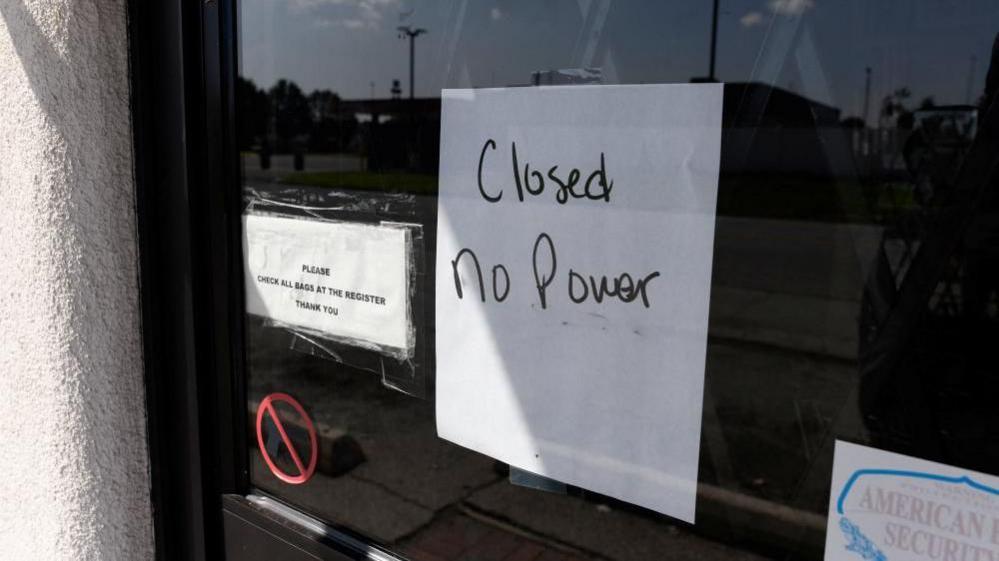
Juttem to the south of Japan’s Kyushu Island, a powerful earthquake struck on the morning of July 28, jolting conduct a remarkable number of residents out of their homes. Earthquake research agencies initially recorded a magnitude of 7.0, followed up by a swift confirm of a 7.2 on the Richter scale. The seismic shock triggered widespread power failures and triggered emergency protocols across the region.
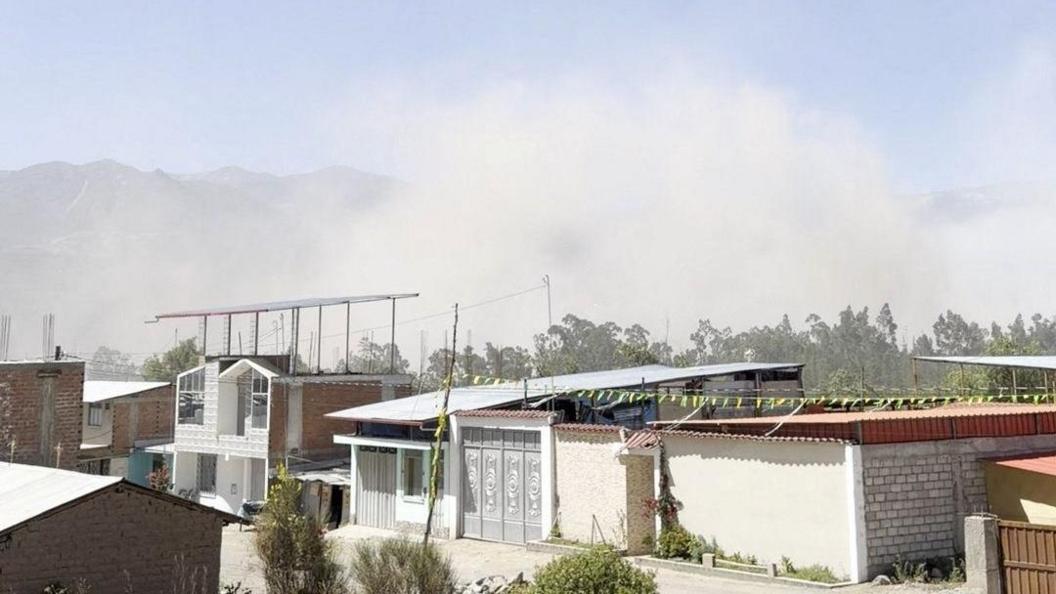
Nearly 150,000 people were ordered to evacuate the most hazardous zones, with emergency advisories issued for evacuation centres across the prefecture. “We are ensuring safe evacuation,” Japanese police officials reported, while the national public broadcaster NHK detailed the scale of action required. The quake also damaged sizable infrastructure: a stretch of a historic castle wall collapsed, a footbridge over a local river was damaged, and a key cycleway path was disrupted. Roughly 40,000 households lost power, prompting urgent grid‑rebuilding operations in the outskirts of Kumamoto Prefecture.
One dramatic incident involved the collapse of a chimney at a paper factory situated in the region, where an initial recall of nearby residents was issued. This led the police to investigate several missing individuals; a preliminary search has yet to locate all missing workers. The incident underlines the potential for industrial complications following the magnitude of the quake.
Japan’s expertise in earthquake preparedness has come to the fore. Disaster response teams have been dispatched to conduct rescue operations and to clear debris, particularly from the damaged roads that serve as critical evacuation routes. According to early traffic reports, the most cataclysmic damage to the roads blurred the path to the nearest nearest safe zones, leaving residents indoors.
Aftershocks have already been reported and are likely to continue in the coming days. Residents are advised to stay alert and security agencies have issued safety briefings about potential secondary hazards. The situation remains fluid, but the government is coordinating relief and reinforcing protective infrastructure across the Kyushu area.