Livestreamer’s death in Mexico sparks debate over influencer‑cartel ties
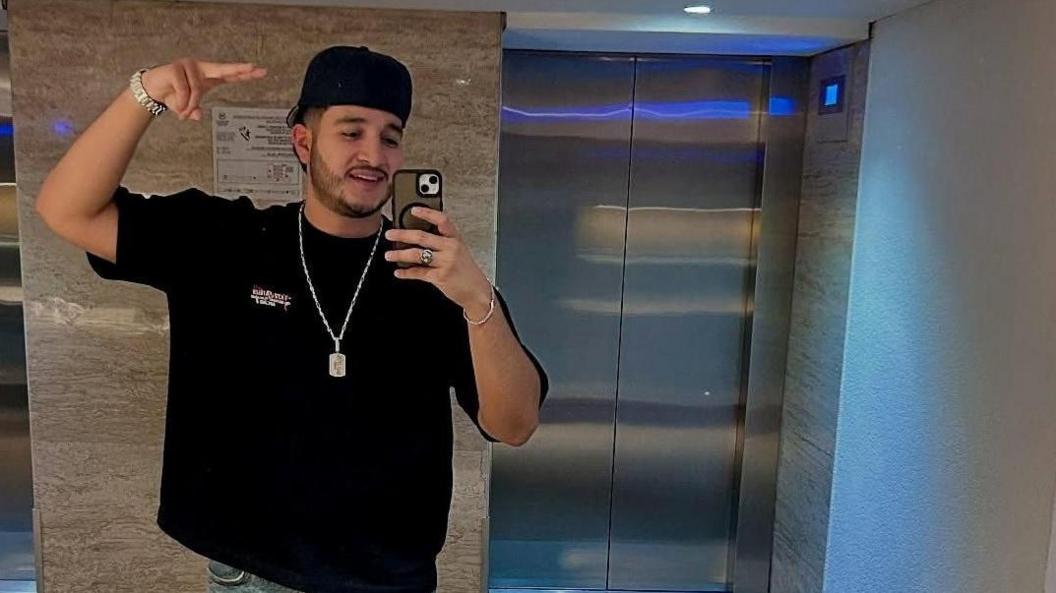
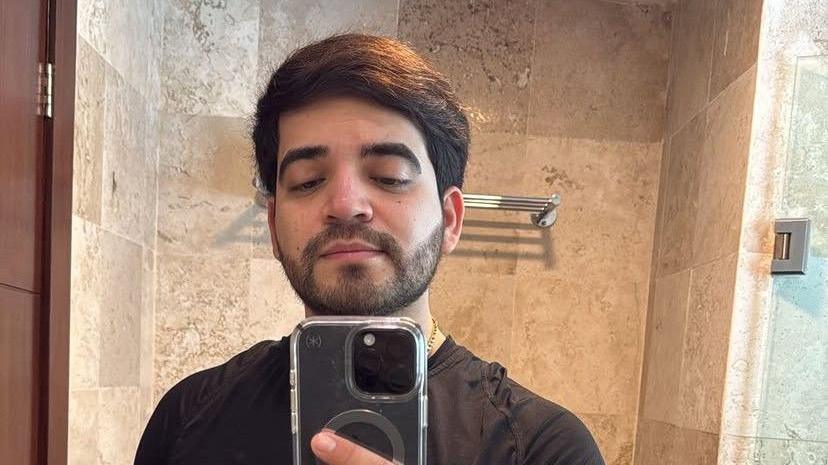
In the early morning hours of Tuesday, a live‑streamed video from Culiacán, the capital of Sinaloa state, was interrupted by a sudden gunshot that killed the young content creator, Cesar Gastelum, in front of his followers.
The footage shows a motorbike approaching the trio of creators outside a fast‑food outlet; within seconds the rider disembarks, leans in, and fires a shot. The attacker then flees the scene, leaving the livestream suspended.
Authorities from the Sinaloa state prosecutor’s office have said that ongoing investigations include several of Gastelum’s posts – some that reference criminal groups – but have not yet linked him directly to cartel activities. Nevertheless, the killing fits a disturbing pattern: at least ten social‑media personalities have been murdered in Sinaloa since the violent split between rival factions of the cartel two years ago.
Experts claim that the allure of wealth and luxury, promoted by many influencers, can mirror the narratives favored by drug gangs. A communication scholar at Iberoamerican University noted that digital platforms amplify such messages, and that “the market for consumption and luxury is the same for both influencers and cartels.” The rapid rise to fame, often at the expense of a slow, principled career, can attract unwelcome attention.
While some creators have refused to label themselves as narcoculture promoters, the reality persists that a public display of affluence in Culiacán can position an individual as a high‑profile target, whether or not they engage with illicit networks.
Cartels have reportedly used influencers as community managers or brand ambassadors for their operations. The death of a figure who was not on a recent political pamphlet listing suspected cartel ties suggests that the threats extend beyond officially named targets, reinforcing the idea that violence can be triggered by perceived allegiance rather than direct involvement.
President Claudia Sheinbaum announced a national campaign to pursue those responsible for such killings and to cut ties between popular culture and organized crime. Her administration claims a 48% decline in murders through 2025, yet the livestreamed murder demonstrates that the shadow of narcoculture remains visible, not only on roads but also in the digital arena.
The case has prompted a broader discussion regarding the responsibilities of social media platforms, content creators, and law enforcement in ensuring safety while preserving freedom of expression. The ongoing dialogue underscores the complex dynamics between cultural production and criminal enterprises in regions where violence is endemic.