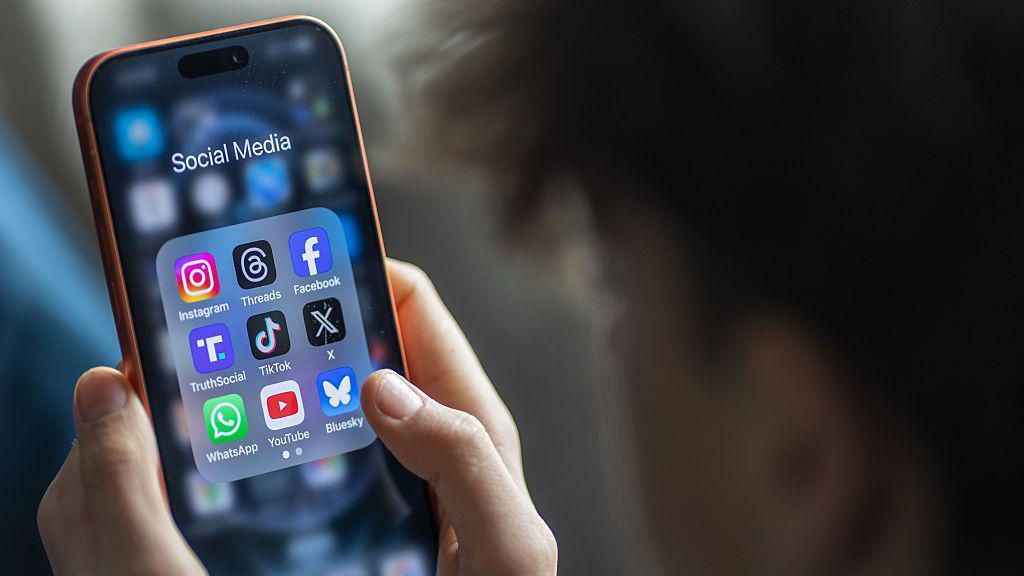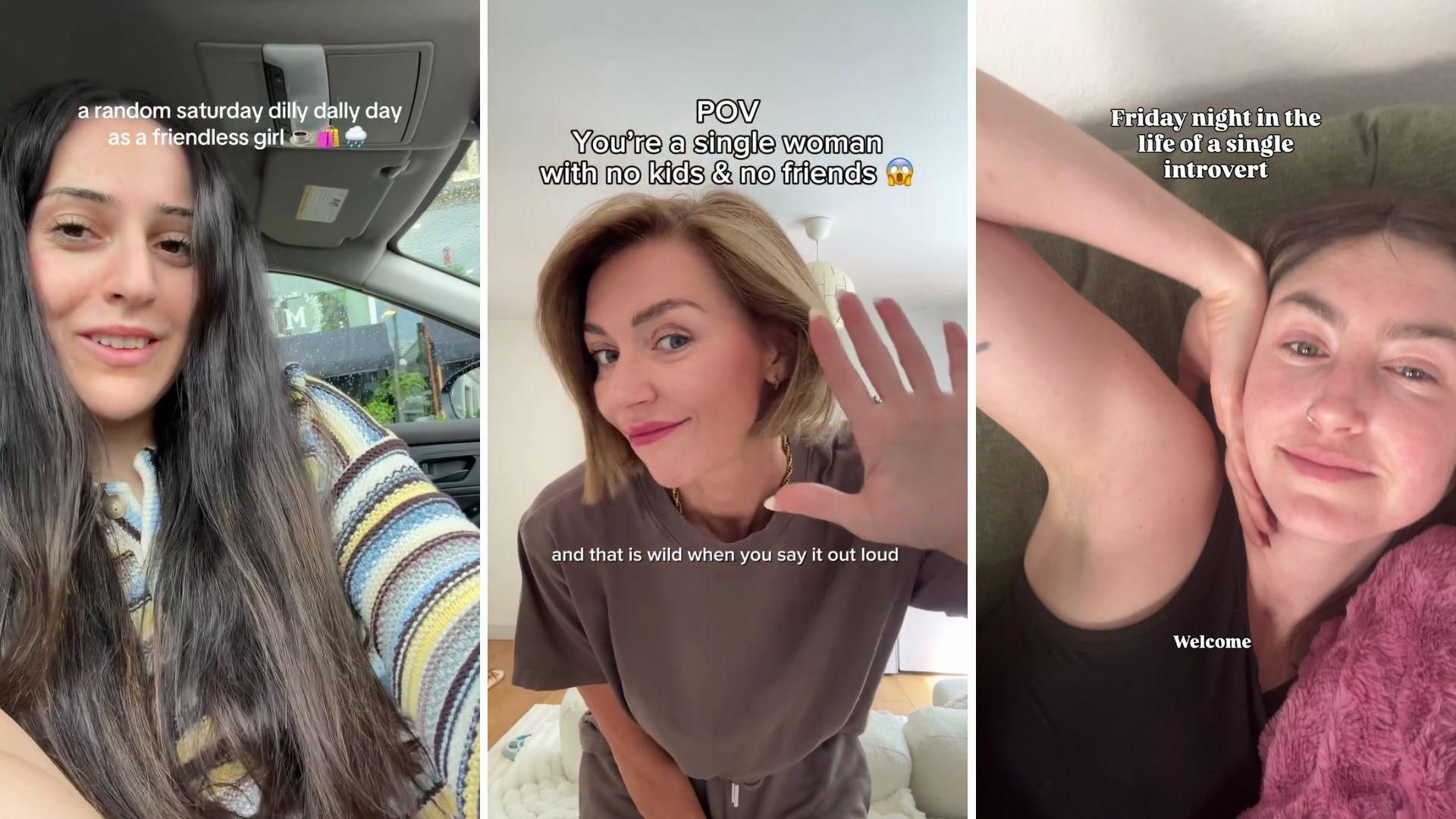
A Friday night in a tidy kitchen is now an aspirational ritual for many who follow Sama posts on TikTok and Instagram. Within the video, a young woman in Toronto loads a frozen pizza, lights a candle and watches snow fall outside, turning an ordinary evening into a calm, almost meditative moment.
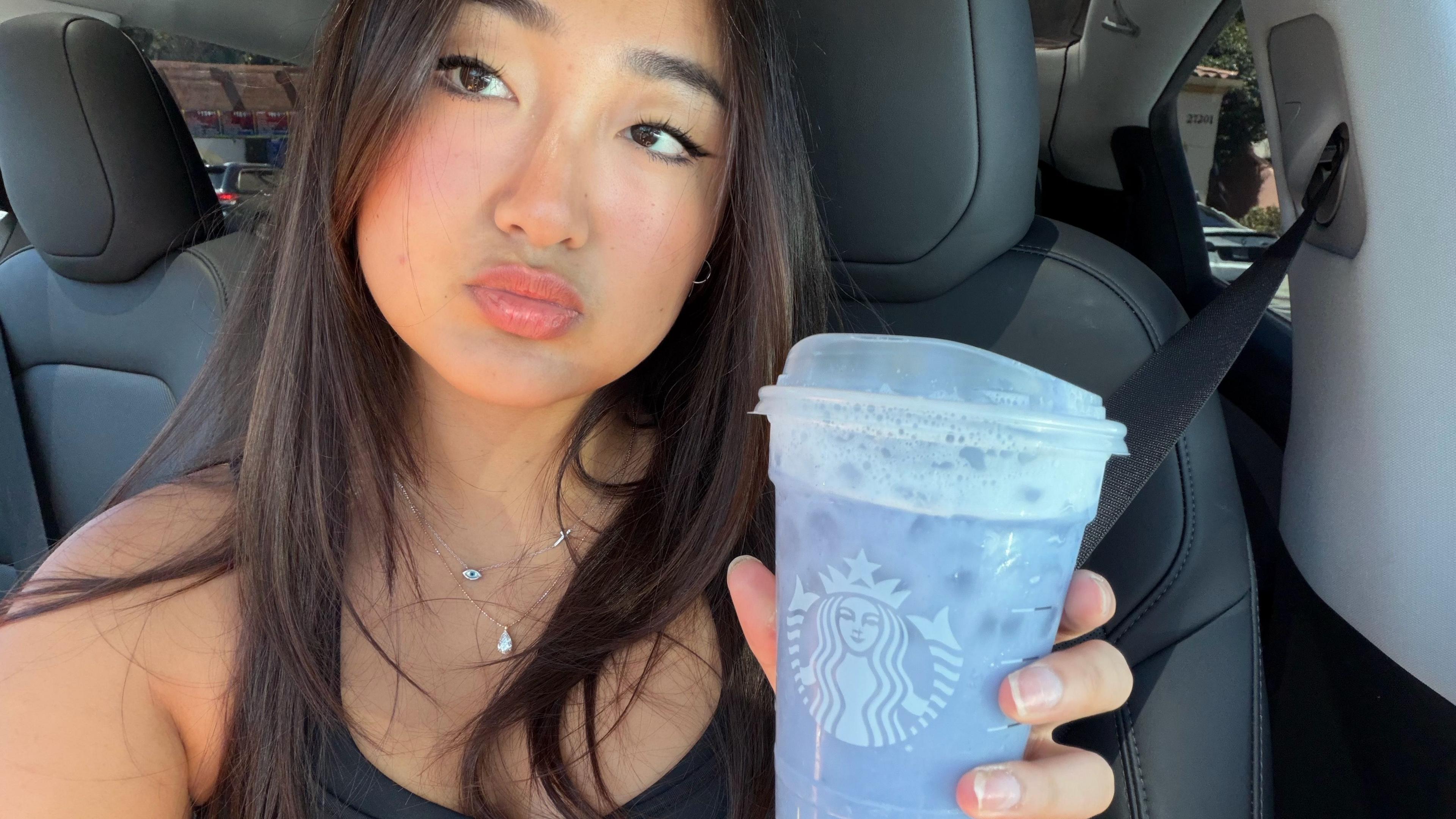
The protagonist in the clip is Lana Isa, a software sales manager in her 20s who has turned the simple act of solo living into a content carousel. Since she began sharing her everyday routines and spontaneous ‘solo dates’, her following has leapt from just a few hundred to over 175,000 in less than a year.
Isa’s videos claim no intention to idealise these moments; she says they simply showcase the reality that many people experience “no friends, no pressure to be in crowds, just peace.” The framing of her account has prompted a wide spectrum of reaction—from praise for a relatable ‘alternative’ lifestyle to criticism that the trend encourages social isolation.
Within the broader discourse, other creators such as Devon Noehring—a content creator based in Phoenix—reveal their own struggles with social anxiety and an emphasis on self‑care. She argues that being alone “is where I feel most free and most like myself,” and she feels that labeling such practice as loneliness is stigmatizing. Noehring’s videos have amassed millions of views and have drawn a community of followers who share her introvert perspective.
The backlash against these ‘loneliness influencers’ extends beyond the social media sphere. Critics have accused them of romanticising solitude and equating it with defeatism. Yet for many participants, the content has provided validation of an otherwise invisible lifestyle, allowing them to cope with loneliness without feeling ashamed.
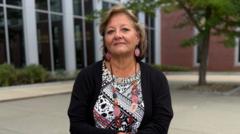
Academic voices are cautiously optimistic; Professor Melody Ding from the University of Sydney highlights that chronic loneliness has health consequences and that the human need for connection remains fundamental. She distinguishes between those who are externally forced to isolate and those who choose solitude, stressing that the latter can still experience healthy social bonds. Ding’s research points to the need for societal narratives that recognize “choice” as a critical factor in assessing loneliness.
The community around these creators reflects a balance. Some, like SJ Hoadley—an accidental influencer who started posting after seeing Isa’s content—have rebuilt independence in sheltered spaces, yet they long for genuine friendships. Hoadley’s posts illustrate a nuanced perspective: the lack of friends does not define her, but she hopes for a supportive network in the future.
Experts in online community building, such as Dr Anne Oeldorf‑Hirsch of the University of Connecticut, suggest that these patterns question the pervasive ‘highlight reel’ culture of social media. She observes that audiences crave authenticity and a sense of balance: “We’re already exposed to hyper‑glamourized influencer culture; aside from that, people want mentors who mirror their own day‑to‑day reality.”
Through this lens, the rise of ‘loneliness influencers’ is not merely a niche trend but a cultural shift toward an honest conversation about solitude. The dialogue encourages those living alone to find community in shared experience—whether online or in physical meet‑ups—while also challenging the social media’s relentless push for constant connectivity. The net result is a subtle reframing of solo living as a healthy, even celebratory choice, rather than a sign of failure or abandonment.