CAPE CANAVERAL, Fla. (AP) — NASA’s Artemis II mission represents humanity’s first return to the moon since 1972. In a mission echoing the legacy of the Apollo program, this venture will send a diverse crew of four astronauts on a lunar flyby, promising a rapid journey that will take less than 10 days.
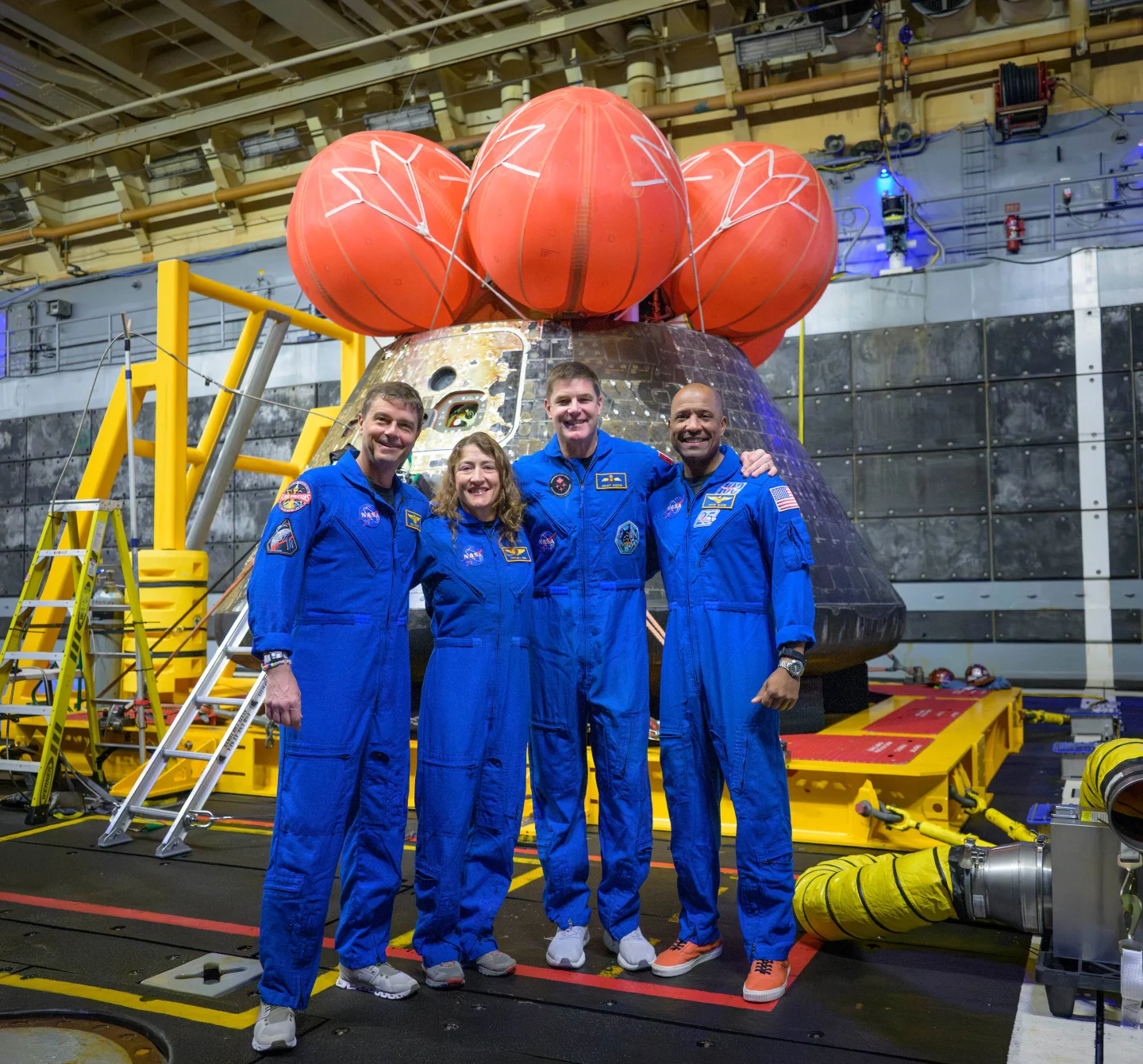
The team, composed of astronauts Reid Wiseman, Victor Glover, Christina Koch, and Jeremy Hansen, marks a significant cultural shift in space exploration. For the first time, the astronauts include a woman, a person of color, and a non-American, highlighting NASA’s commitment to inclusivity.
Artemis II is designed to be a test run that clears the way for future lunar habitats; however, this mission's focus is strictly a fly-around of the moon without any landings. During their journey, the astronauts will travel approximatly 5,000 miles beyond the lunar surface.
Diversity in Space Exploration
The Artemis II crew's diversity adds a new dimension to one of humanity's most collaborative endeavors. Koch set the record for the longest spaceflight by a woman, while Glover made history as the first black astronaut to reside on the International Space Station. Hansen, representing Canada, embraces the spirit of international collaboration in space.
Flying with New Technology
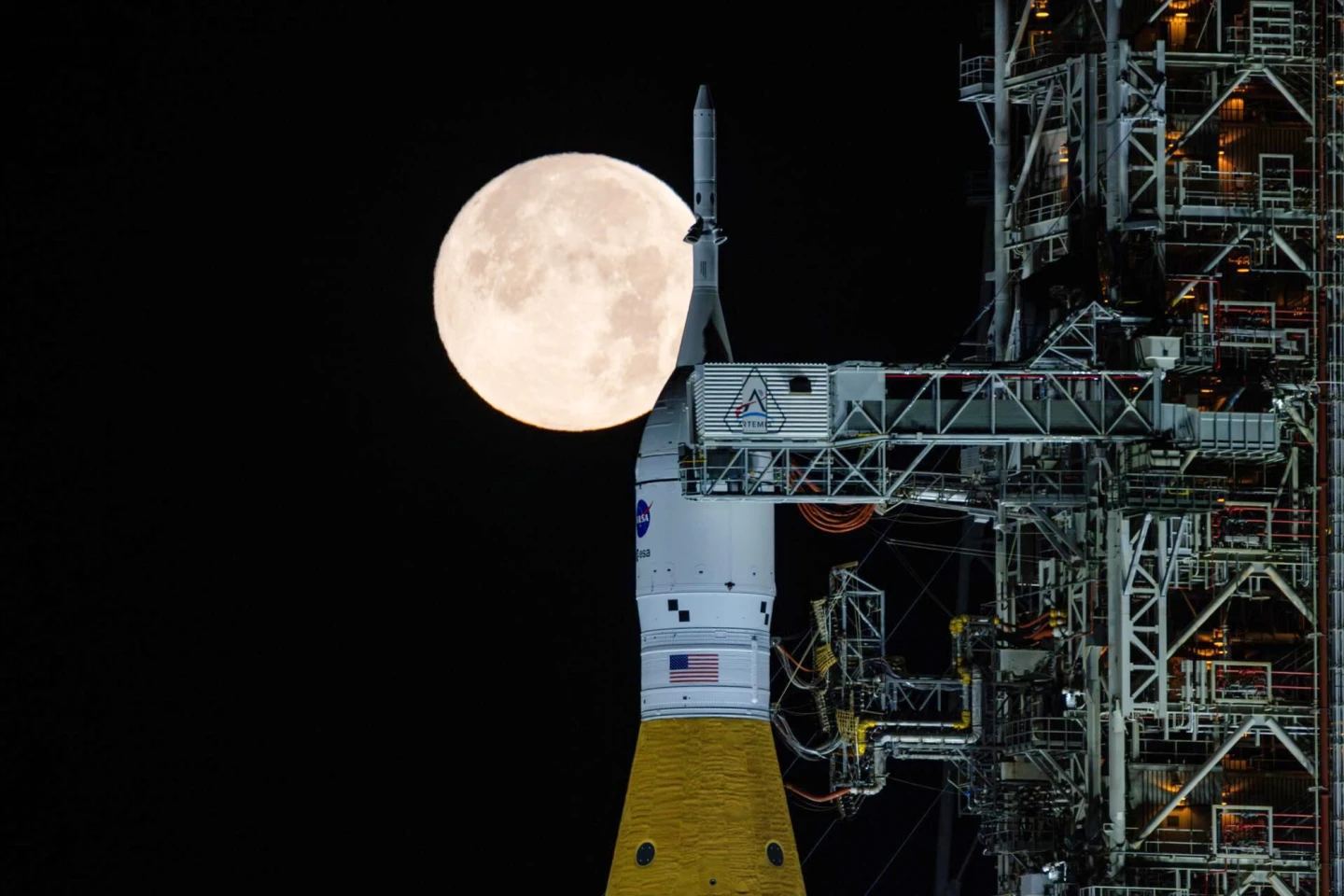
The Space Launch System, NASA's powerful rocket for this mission, stands at 322 feet, and is outfitted with modern technology that promises improved performance. The Orion capsule is designed to handle new challenges that arise during deep-space travel, with NASA assured refinements based on past experiences.
Robust Flight Plan
The mission kicks off with a high, lopsided orbit around Earth followed by a free-return trajectory that harnesses gravitational forces for an efficient long-distance journey. Key milestones include docking practice and a series of atmospheric tests designed to prepare for a future extended lunar presence.
A Visual Journey
The crew is excited to capture the lunar far side, an area seldom observed by humans, with state-of-the-art cameras and personal smartphones for a new age of photo documentation.
Conclusion
NASA's Artemis II mission signifies not only a return to lunar exploration but also represents a broader integration of cultural diversity and technological advancement in space missions. As the astronauts prepare to witness and document an unparalleled lunar journey, their success could pave the way for future endeavors aimed at sustaining human presence on the moon.