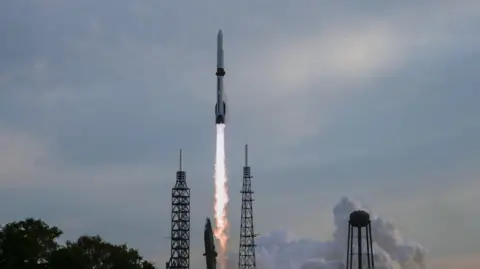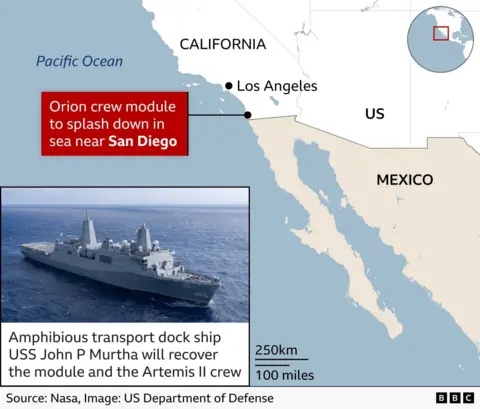
CAPE CANAVERAL, Fla. — NASA’s upcoming Artemis II mission is poised to reignite humanity's venture to the moon, nearly 50 years after the Apollo program. This mission will embark on a remarkable journey to orbit the moon, with comparisons inevitable between the two historic undertakings.
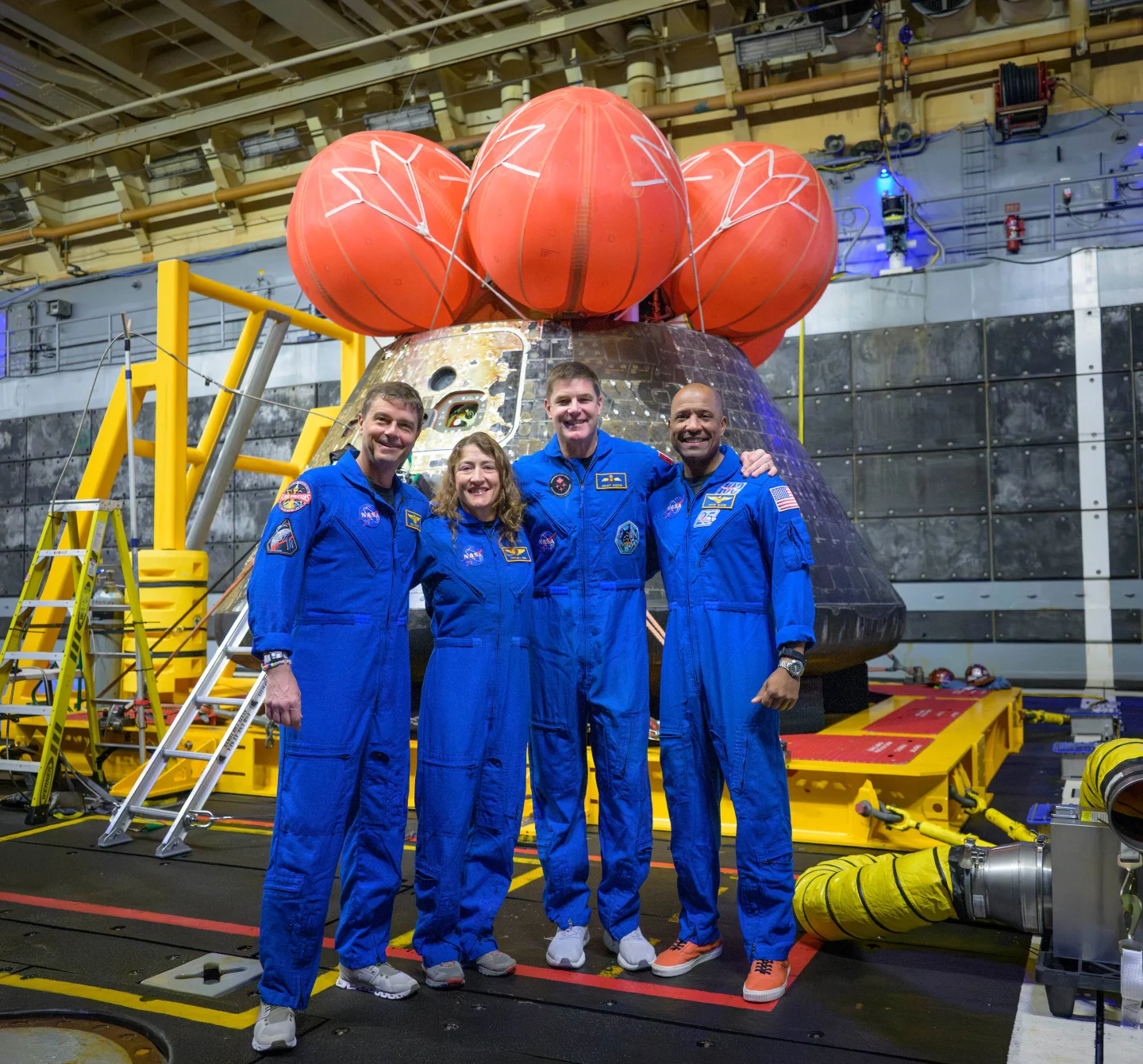
As Artemis II prepares to launch, it will not follow the exact path of its predecessor Apollo. Instead, the Artemis program presents a more diverse crew, including a woman and a person of color, showcasing contemporary societal values. Christina Koch, an astronaut and member of the Artemis II crew, emphasized that while Artemis pays homage to Apollo, it charts its own course.
Contrasting Developmental Timeline
The Apollo program raced to success, sending astronauts to the lunar surface in just eight years. In contrast, Artemis has seen a slower progression mired by uncertainty regarding NASA's goals. Despite obstacles, Jared Isaacman, NASA’s administrator, recently revamped the Artemis schedule, adding a mission between Artemis II and the moon landing now set for 2028.
Artemis III aims to focus on practicing docking maneuvers rather than immediate lunar landings, a decision reflecting cautious strategies in space exploration. Such measures aim to minimize risks, amidst competitive pressures from other nations, particularly China, which seeks to establish its lunar presence.
A New Era of Space Rivalries
In the time of Apollo, the Soviets were America's primary competitors, but the current landscape is marked by China's rapid advancements in space capabilities. As they target the lunar south pole, a region believed to host significant water resources, NASA and Artemis are racing against time to secure a foothold and advance international prestige.
Technological Differences
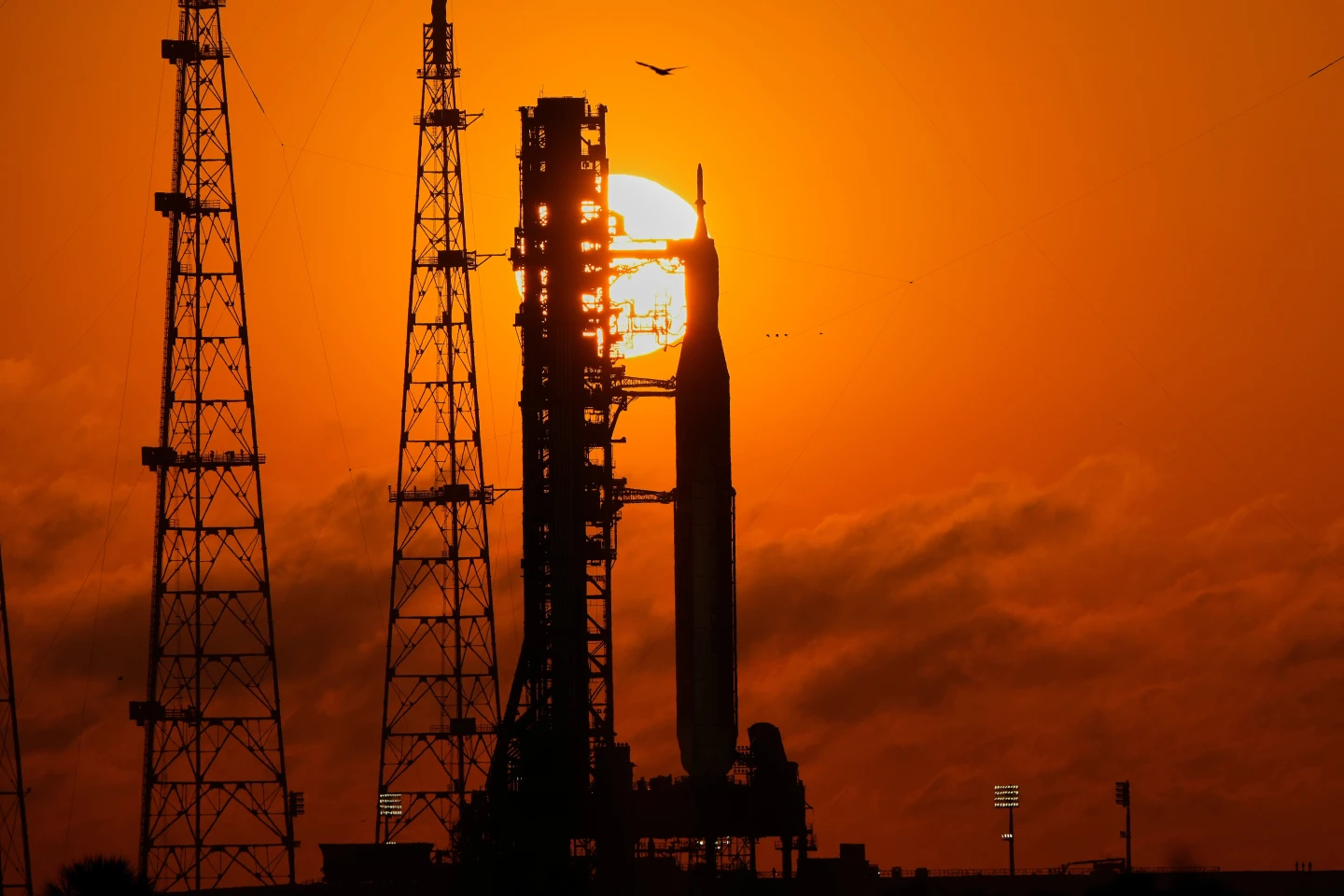
Apollo’s formidable Saturn V rocket has been a benchmark in space exploration history, while Artemis relies on the Space Launch System (SLS), designed for higher thrust despite a slightly shorter stature. Concerns over delays due to maintenance issues have been a headache for the Artemis mission, pushing launch timelines further into the future.
Mission Dynamics
The Artemis II mission’s design also reflects lessons learned from Apollo. Keeping safety a priority, Artemis astronauts will utilize updated life-support systems and advanced technologies to address sufficiency and comfort during their extensive journey. Should an emergency arise, they have gear that enables survival for several days.
Long-Term Vision
Where Apollo focused on flag-planting, Artemis envisions creating a sustained human presence on the moon, paving the way for future Mars exploration. While historical missions are crucial for legacies, the commitment to ongoing presence and habitation marks a new progressive chapter in human space exploration.