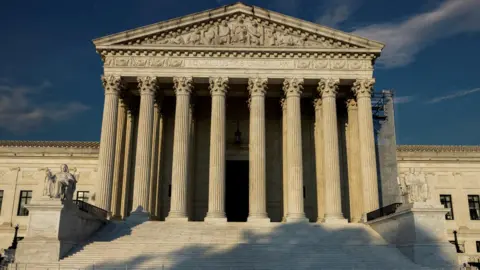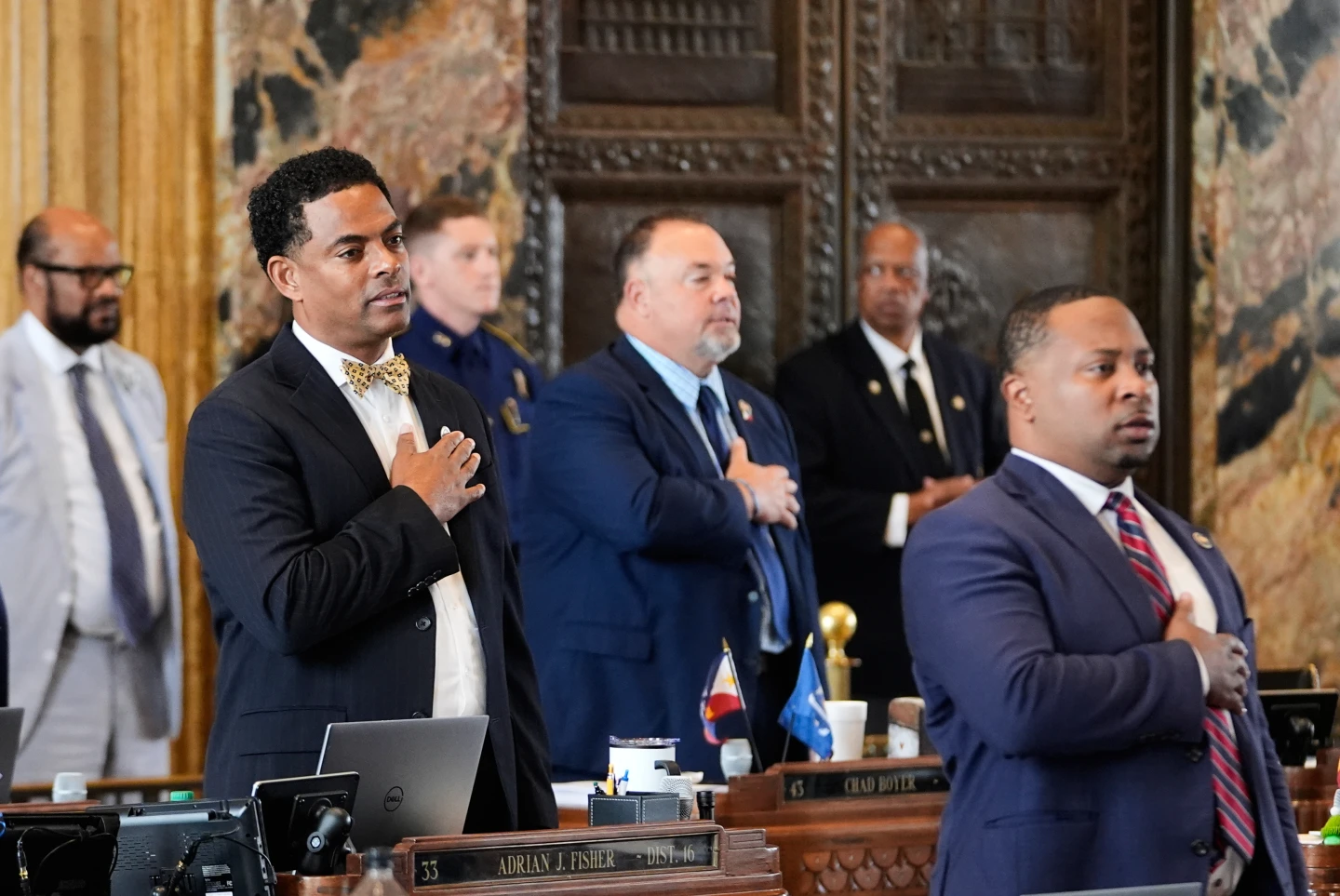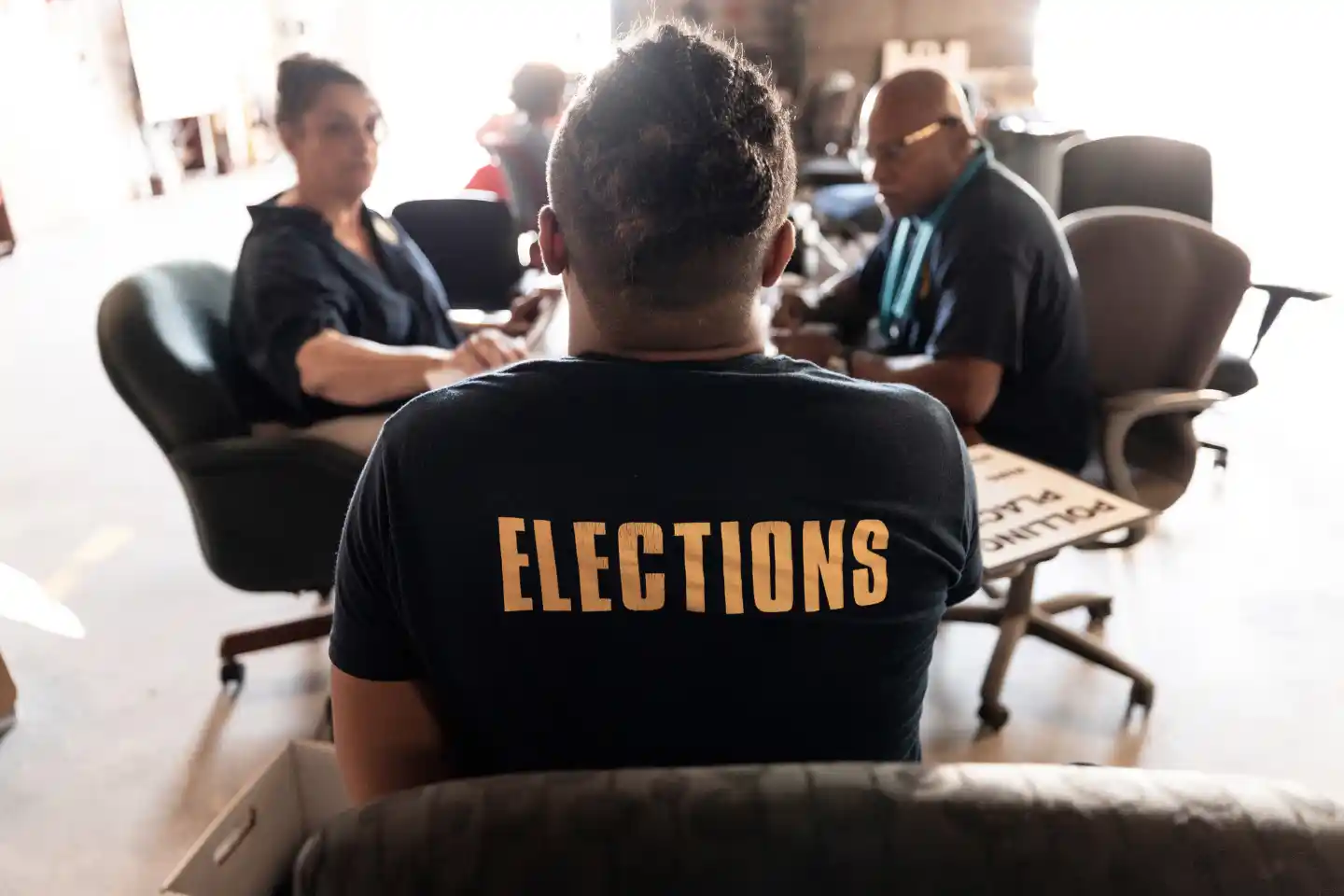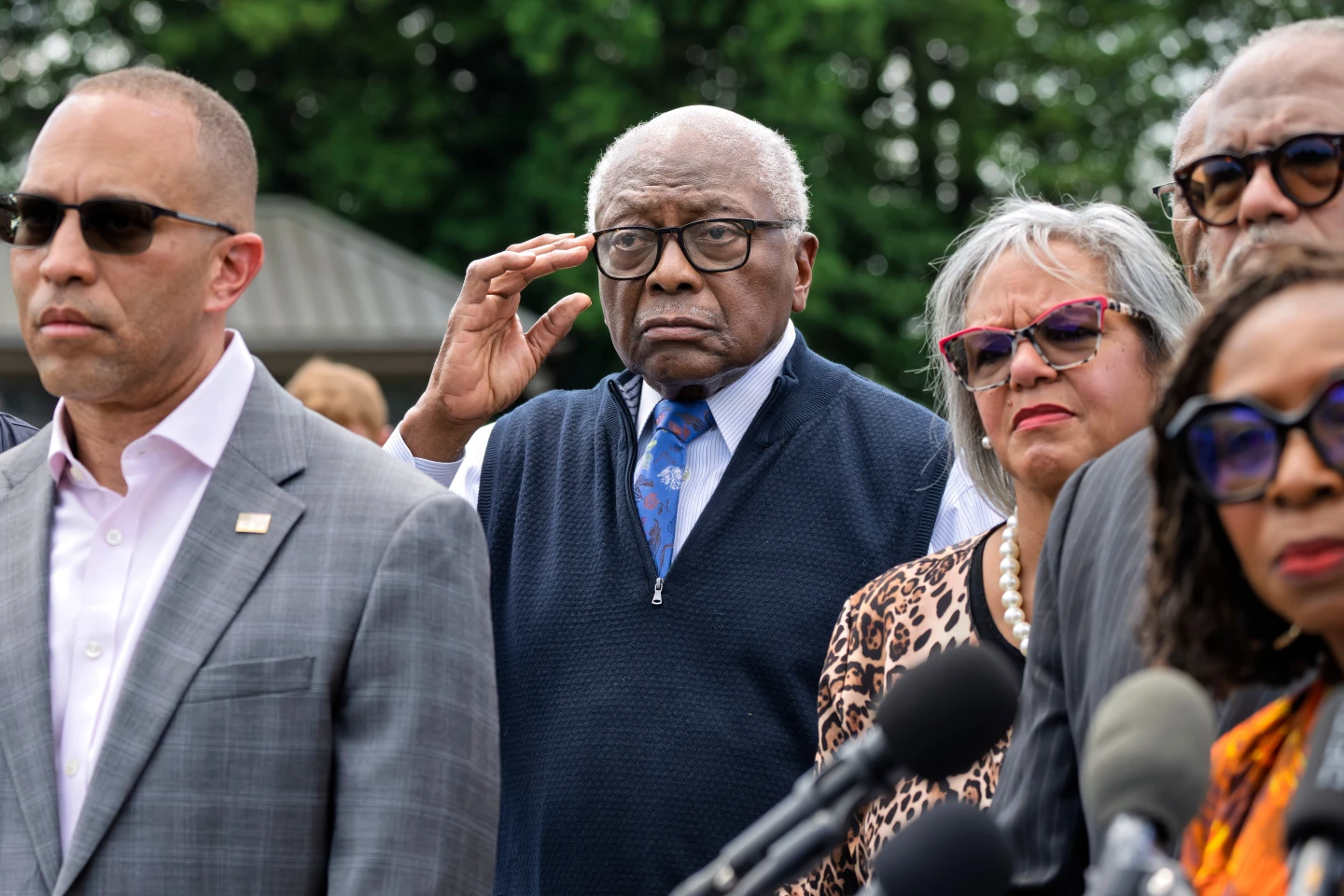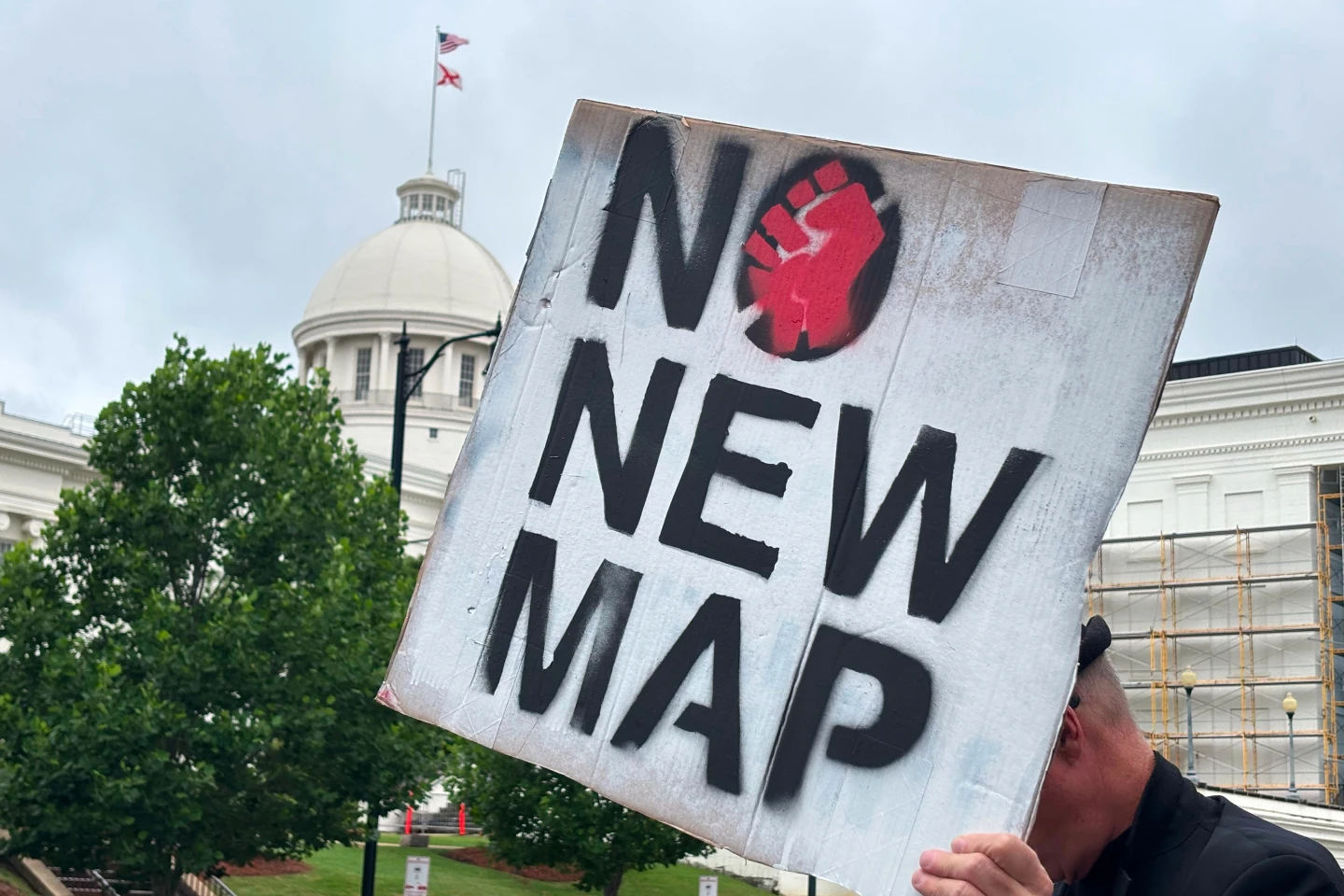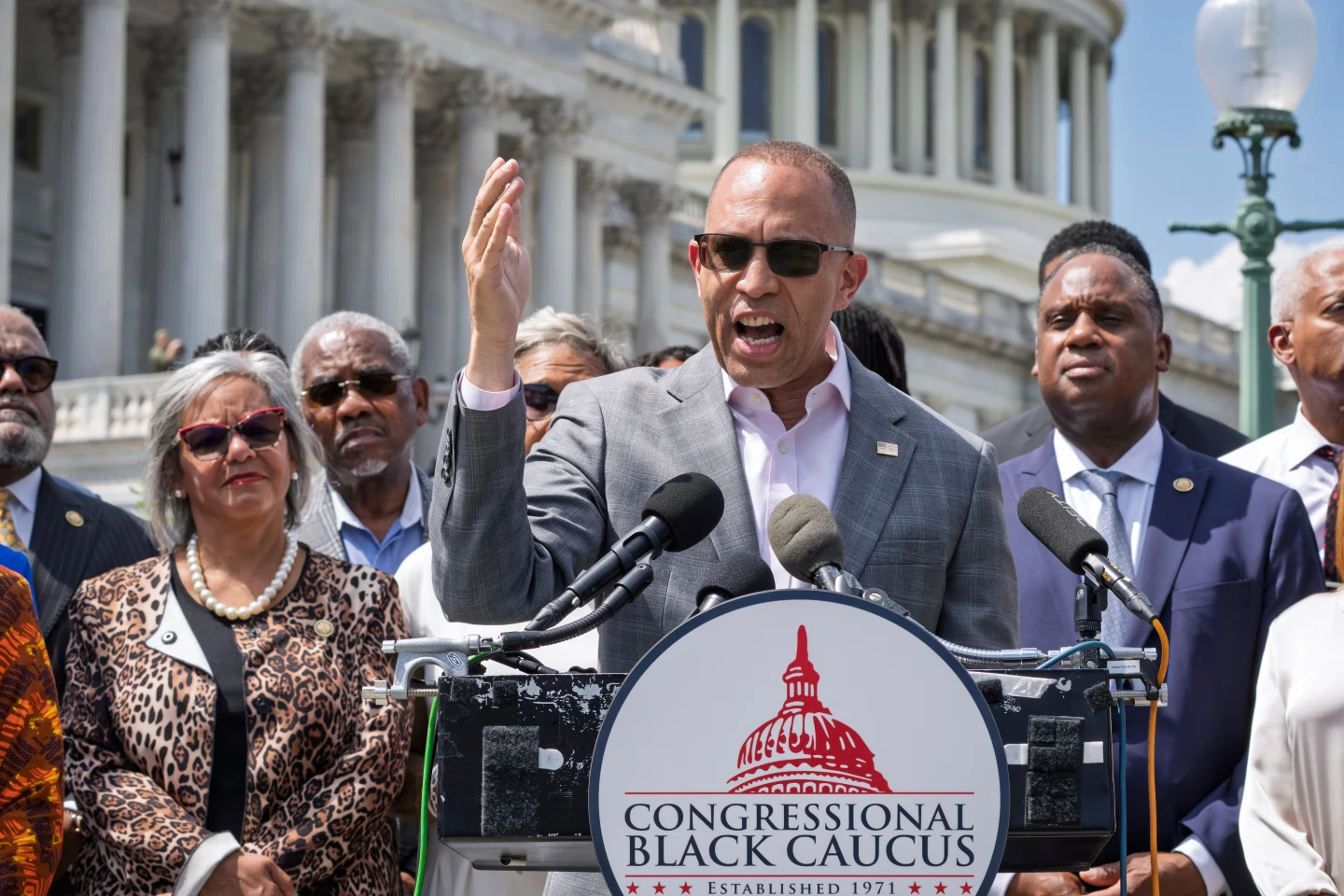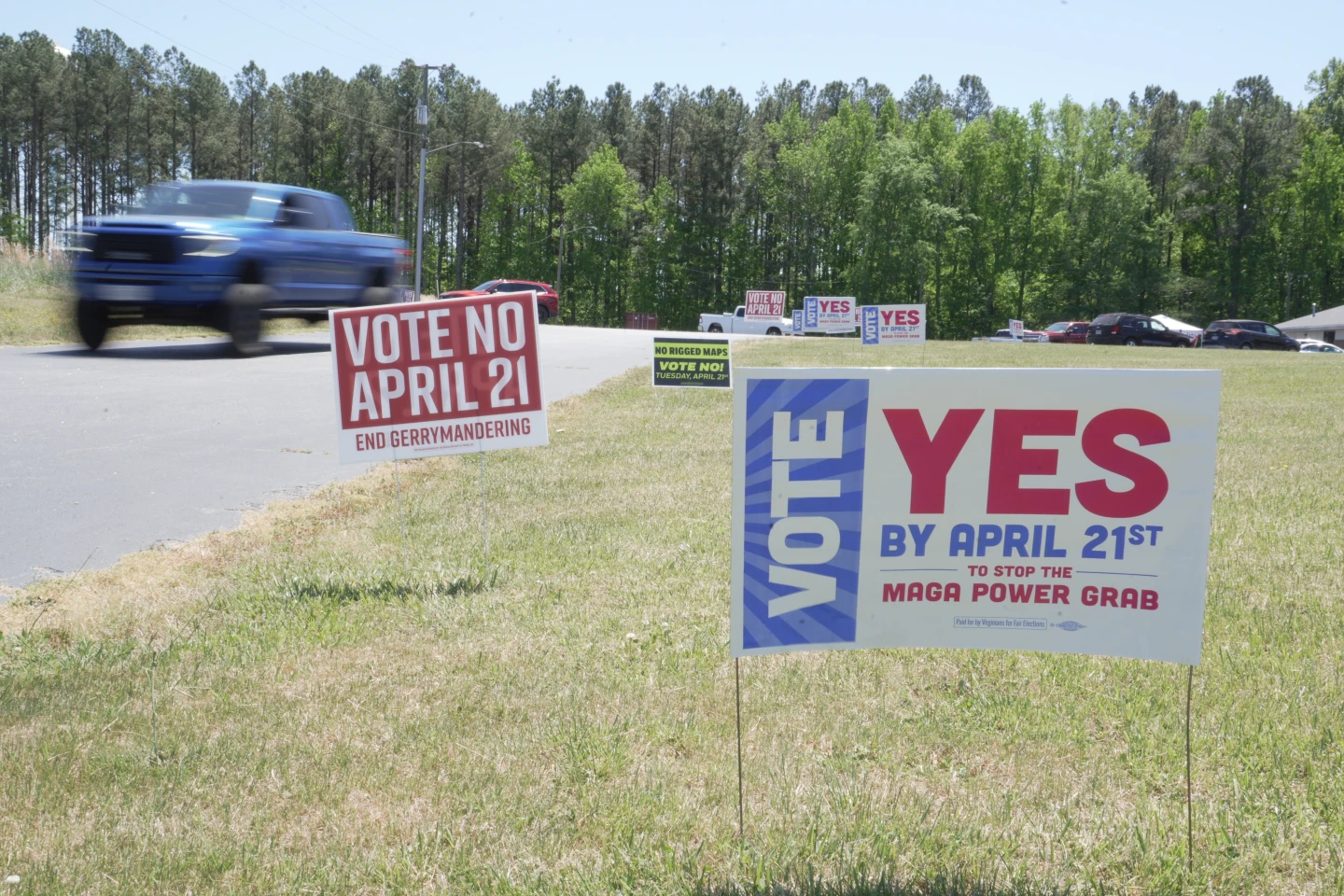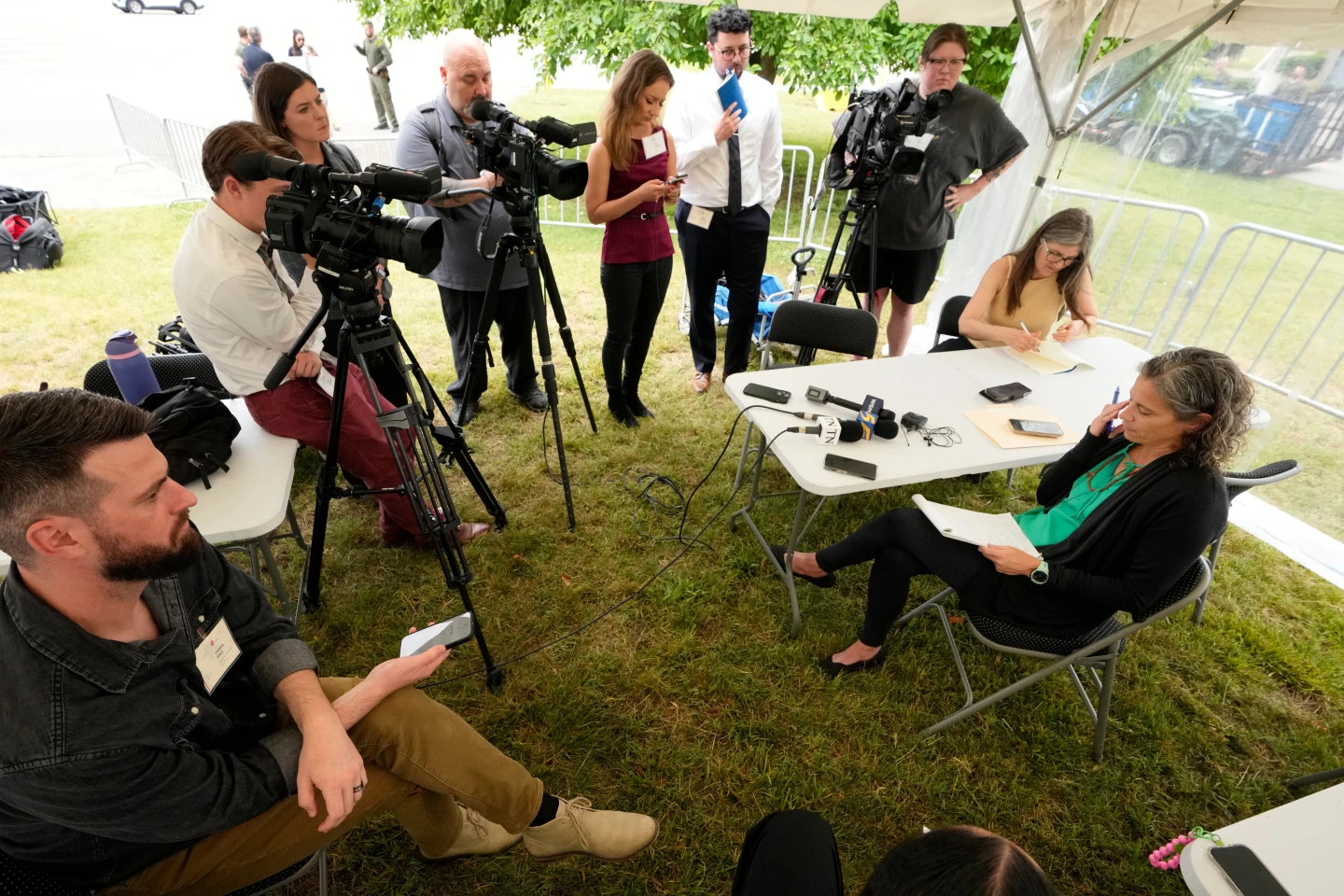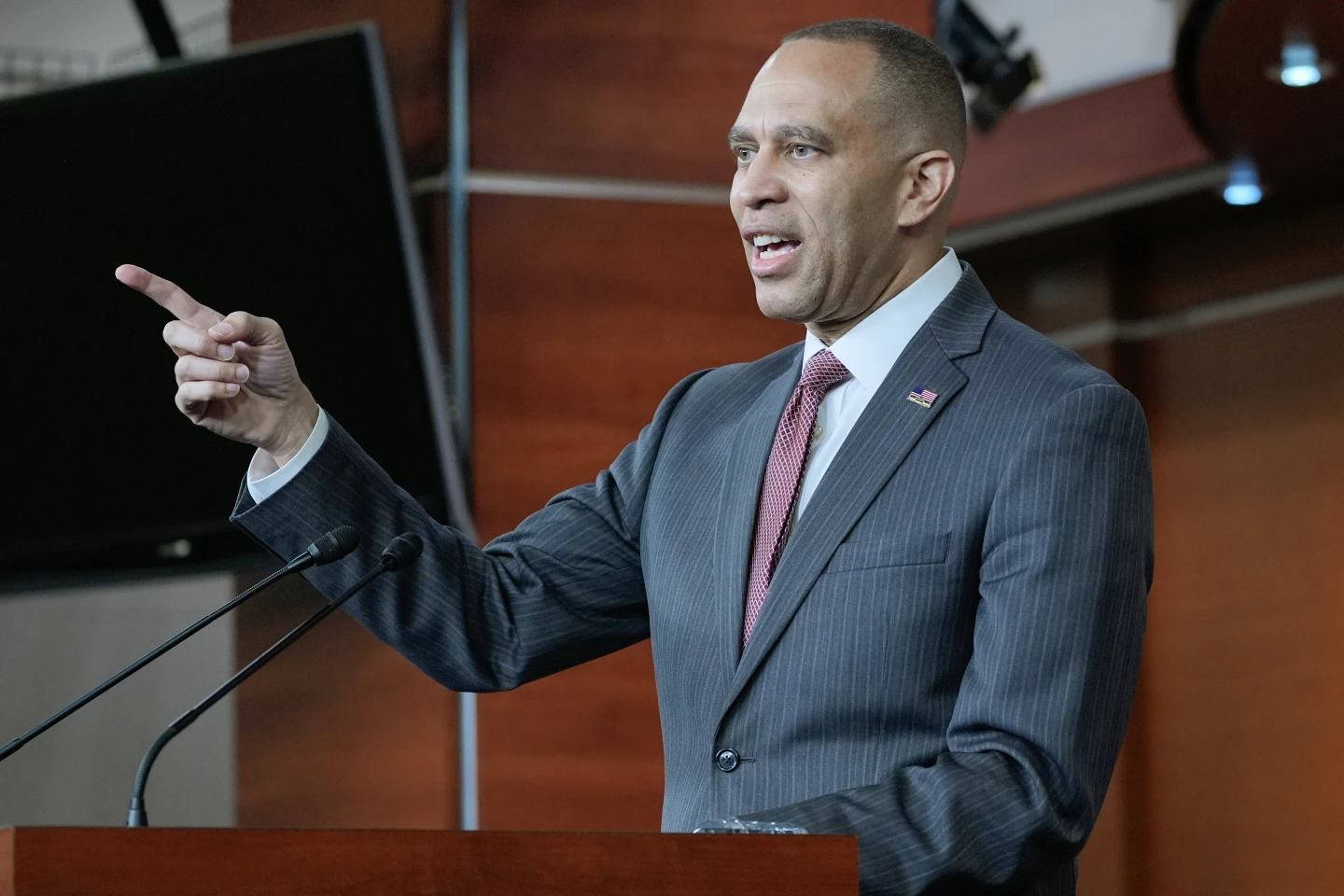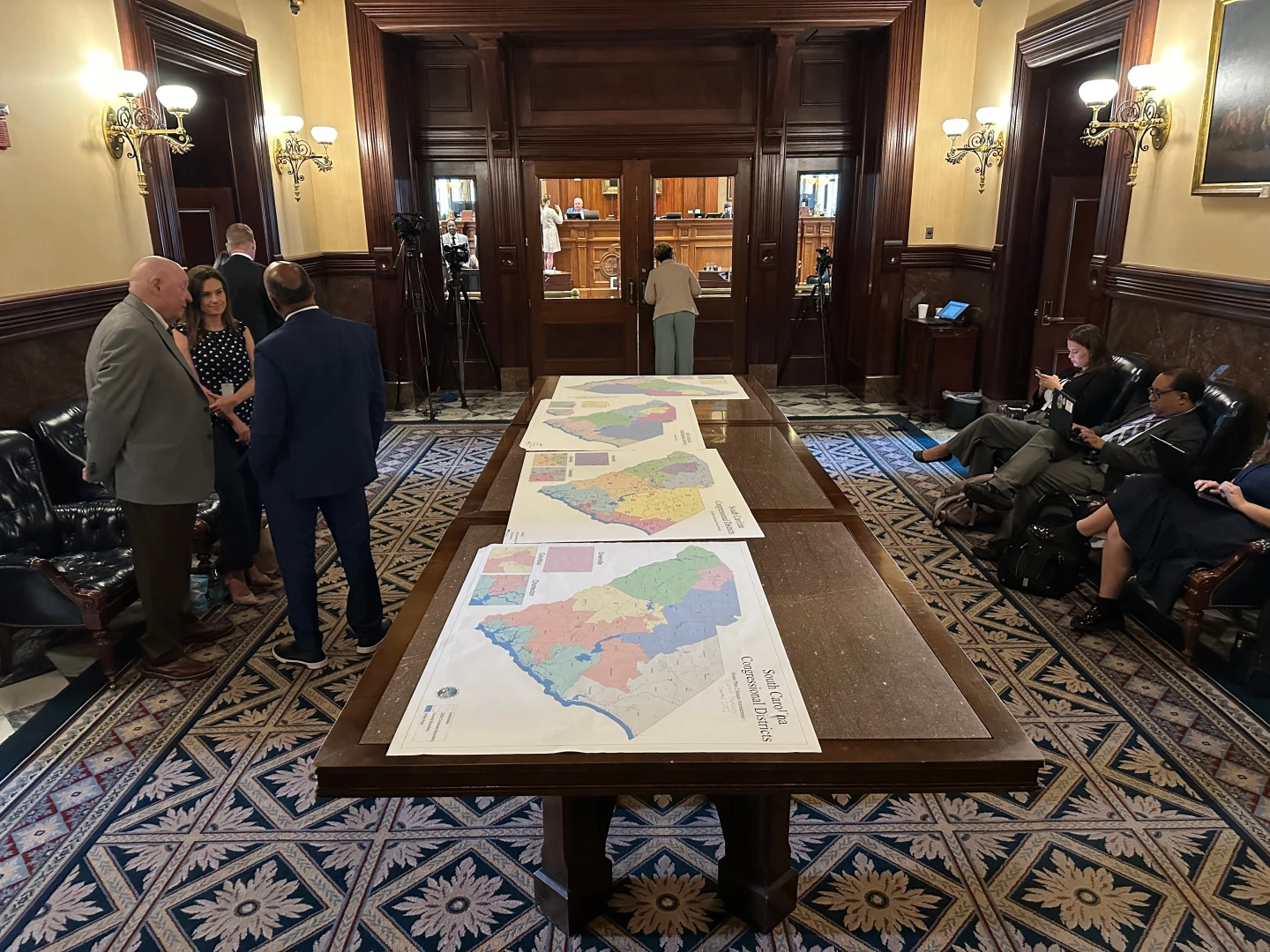
Following a U.S. Supreme Court ruling that weakened protections under the Voting Rights Act, Republican-led states are rushing to redraw congressional districts to gain electoral advantages ahead of November's midterms. This strategic shift has intensified political, legal, and social debates across several states, as evidenced by enacted maps in Tennessee and Alabama and legislative progress in Louisiana and South Carolina.
**Political Perspective**
Republican lawmakers argue the redistricting is necessary to protect their narrow House majority against midterm losses. With President Trump's approval ratings in negative territory and historical trends showing presidential parties typically lose seats, governors like Alabama's Kay Ivey and South Carolina's Henry McMaster have prioritized partisan gains. Advocates contend that redistricting is 'not about fairness but about preserving democracy,' while critics warn it risks institutionalizing gerrymandering.
**Legal Perspective**
The Supreme Court's decision in *Allen v. Milligan* (2023) removed key preclearance requirements for voting maps, creating a legal vacuum that states have filled. Alabama and Louisiana are now navigating complex legal battles: federal courts have blocked Alabama's 2023 map as discriminatory, while Louisiana's revised plan faces Senate-Senate disagreements over parish boundaries. Legal experts note that the absence of federal oversight allows states to implement maps that may violate Equal Protection Clause standards.
**Social Perspective**
Civil rights organizations like the NAACP Legal Defense Fund argue the maps dilute Black voting power. In Alabama, a lawsuit claims the proposed map would shrink majority-Black districts, while Tennessee's revised map threatens to dismantle a Memphis-based district representing 200,000 Black voters. Minority advocacy groups warn these changes undermine the Voting Rights Act's purpose, though Republican legislators maintain their plans are constitutionally sound.
**State-Specific Developments**
- **Tennessee**: A court recently heard arguments in a NAACP lawsuit claiming legislators exceeded their authority by repealing mid-decade redistricting laws. If upheld, the state could face invalidation of its map before November elections.
- **Alabama**: Federal judges are reviewing whether to block the state's 2023 map, which features only one majority-Black district. Civil rights groups argue the map violates the Voting Rights Act despite the Supreme Court's ruling.
- **Louisiana**: The state House and Senate now debate competing maps after the Supreme Court struck down a plan with two Black-majority districts. Disagreements over parish boundaries threaten to delay final adoption.
- **South Carolina**: Republican legislators approved a map targeting Democratic Rep. Jim Clyburn's seat but face opposition from GOP senators who warn it could fragment Democratic votes. The legislature has postponed primary elections until August.
**Comparative Analysis**
Republicans view redistricting as essential to combat 'unprecedented' Democratic gains, citing a potential loss of seats they believe would undermine their policy agenda. Conversely, Democrats see this as a 'systemic attack' on voting rights that risks entrenching partisan control. Legal scholars note states have historically used redistricting for both legitimate representation and political gain, but the absence of federal oversight raises questions about minority impact. Meanwhile, minority communities emphasize that dilution of Black votes could disproportionately affect swing districts and undermine political influence.
**Future Implications**
The outcome of these cases will likely shape voting rights law for decades. While Republicans seek to cement control, legal challenges may result in partial or full map invalidation. Analysts warn that if courts uphold current redistricting practices, the Voting Rights Act's protections could face further erosion, affecting voter access for marginalized communities nationwide. As states race to finalize maps, the balance between partisan advantage and electoral equity remains the central question.}
**Political Perspective**
Republican lawmakers argue the redistricting is necessary to protect their narrow House majority against midterm losses. With President Trump's approval ratings in negative territory and historical trends showing presidential parties typically lose seats, governors like Alabama's Kay Ivey and South Carolina's Henry McMaster have prioritized partisan gains. Advocates contend that redistricting is 'not about fairness but about preserving democracy,' while critics warn it risks institutionalizing gerrymandering.
**Legal Perspective**
The Supreme Court's decision in *Allen v. Milligan* (2023) removed key preclearance requirements for voting maps, creating a legal vacuum that states have filled. Alabama and Louisiana are now navigating complex legal battles: federal courts have blocked Alabama's 2023 map as discriminatory, while Louisiana's revised plan faces Senate-Senate disagreements over parish boundaries. Legal experts note that the absence of federal oversight allows states to implement maps that may violate Equal Protection Clause standards.
**Social Perspective**
Civil rights organizations like the NAACP Legal Defense Fund argue the maps dilute Black voting power. In Alabama, a lawsuit claims the proposed map would shrink majority-Black districts, while Tennessee's revised map threatens to dismantle a Memphis-based district representing 200,000 Black voters. Minority advocacy groups warn these changes undermine the Voting Rights Act's purpose, though Republican legislators maintain their plans are constitutionally sound.
**State-Specific Developments**
- **Tennessee**: A court recently heard arguments in a NAACP lawsuit claiming legislators exceeded their authority by repealing mid-decade redistricting laws. If upheld, the state could face invalidation of its map before November elections.
- **Alabama**: Federal judges are reviewing whether to block the state's 2023 map, which features only one majority-Black district. Civil rights groups argue the map violates the Voting Rights Act despite the Supreme Court's ruling.
- **Louisiana**: The state House and Senate now debate competing maps after the Supreme Court struck down a plan with two Black-majority districts. Disagreements over parish boundaries threaten to delay final adoption.
- **South Carolina**: Republican legislators approved a map targeting Democratic Rep. Jim Clyburn's seat but face opposition from GOP senators who warn it could fragment Democratic votes. The legislature has postponed primary elections until August.
**Comparative Analysis**
Republicans view redistricting as essential to combat 'unprecedented' Democratic gains, citing a potential loss of seats they believe would undermine their policy agenda. Conversely, Democrats see this as a 'systemic attack' on voting rights that risks entrenching partisan control. Legal scholars note states have historically used redistricting for both legitimate representation and political gain, but the absence of federal oversight raises questions about minority impact. Meanwhile, minority communities emphasize that dilution of Black votes could disproportionately affect swing districts and undermine political influence.
**Future Implications**
The outcome of these cases will likely shape voting rights law for decades. While Republicans seek to cement control, legal challenges may result in partial or full map invalidation. Analysts warn that if courts uphold current redistricting practices, the Voting Rights Act's protections could face further erosion, affecting voter access for marginalized communities nationwide. As states race to finalize maps, the balance between partisan advantage and electoral equity remains the central question.}