Singapore couple fears adopted son may be trafficked child
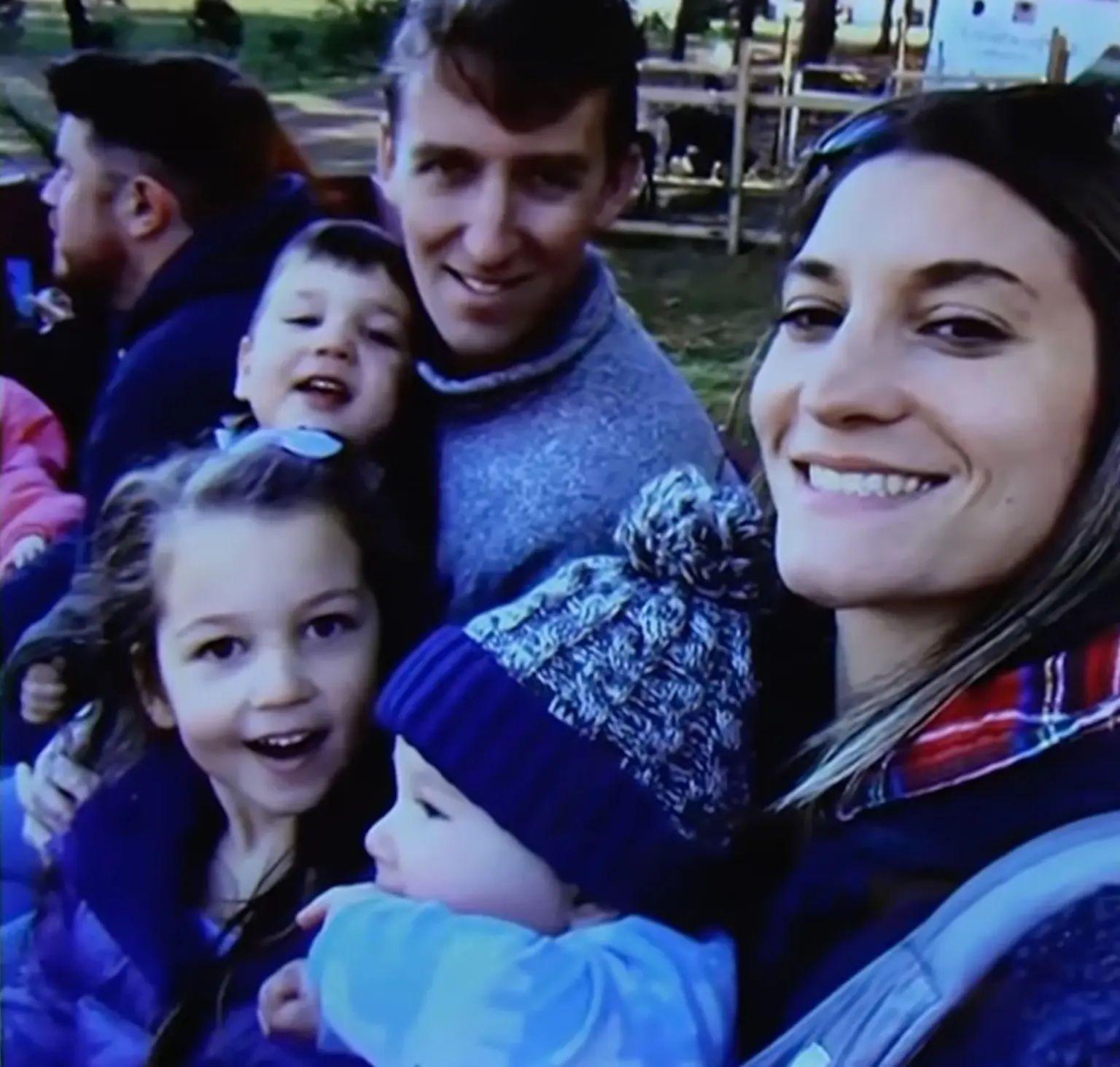
When David and Ally first saw Marcus, they remembered the story of ‘love at first sight’, a feeling that seemed to bond them instantly. Their long wait behind a queue for a local Singaporean child ended when a baby from Indonesia arrived at their doorstep. The family thought they had finally filled their home with a companion, but the joy soon turned into anxiety after officials warned that the baby might have been trafficked on the route to Singapore.
The allegations are part of a sweeping probe that has identified at least 20 babies bought illegally in Indonesia for sale to Singaporean families. In a West Java trial last year, 19 people were charged with purchasing children and forging documents to make them appear as legitimate adoptions. Prosecutors say senior traffickers like Lie Siu Luan orchestrated the scheme, offering huge sums to Singaporean adopters and using social media to locate parents willing to hand over babies.
David and Ally originally chose a local agency specialised in Indonesian adoptions, paying a substantial sum they believed covered all legal and welfare costs. Their careful compliance with paperwork was vindicated when their son’s citizenship application was approved. Ninety minutes later, immigration officials stopped them and recited a statement that Marcus’s file matched that of an alleged trafficked child.
The Singapore Ministry of Home Affairs cites cooperation with Indonesian authorities as ongoing but deflects campaigning questions about the agency’s role. Meanwhile, the Ministry of Social and Family Development has pledged to review adoption protocols and to support affected families. Nothing concrete yet explains whether Marcus or other children will remain with their adoptive parents or return to Indonesia.
Legal experts say that those who facilitate the transfer of a baby without proper documentation qualify under Indonesia’s stringent human‑trafficking laws, even if the parents claim to relinquish them for financial survival. The root causes identified are poverty, lack of support services for mothers, and cultural practices that view child hand‑over as a familial aid.
The situation brings to light a pressing need for implementation of child‑rights legislation, eyeing the fact that a child’s stability may be jeopardised by prolonged legal uncertainty. Psychologists warn that repeated upheavals can disrupt attachment development and increase trauma risk.
Despite no official clarification, David and Ally remain resolute. They pledged they would work within the law to keep Marcus in their home, or to re‑adopt him if a transfer to Indonesia is ordered. “We’ll do whatever is required to keep him with us,” the father said.
The trial continues, and the lives of at least 20 children hang in the balance while authorities debate return versus retention. The story exposes gaps in cross‑border adoption oversight and calls for updated safeguards for vulnerable infants. For further context, read the earlier report on “Reserved in the womb” and the subsequent police action in a baby‑trafficking ring.