Soldiers Protest After Ukraine’s Defence Minister Dismissed
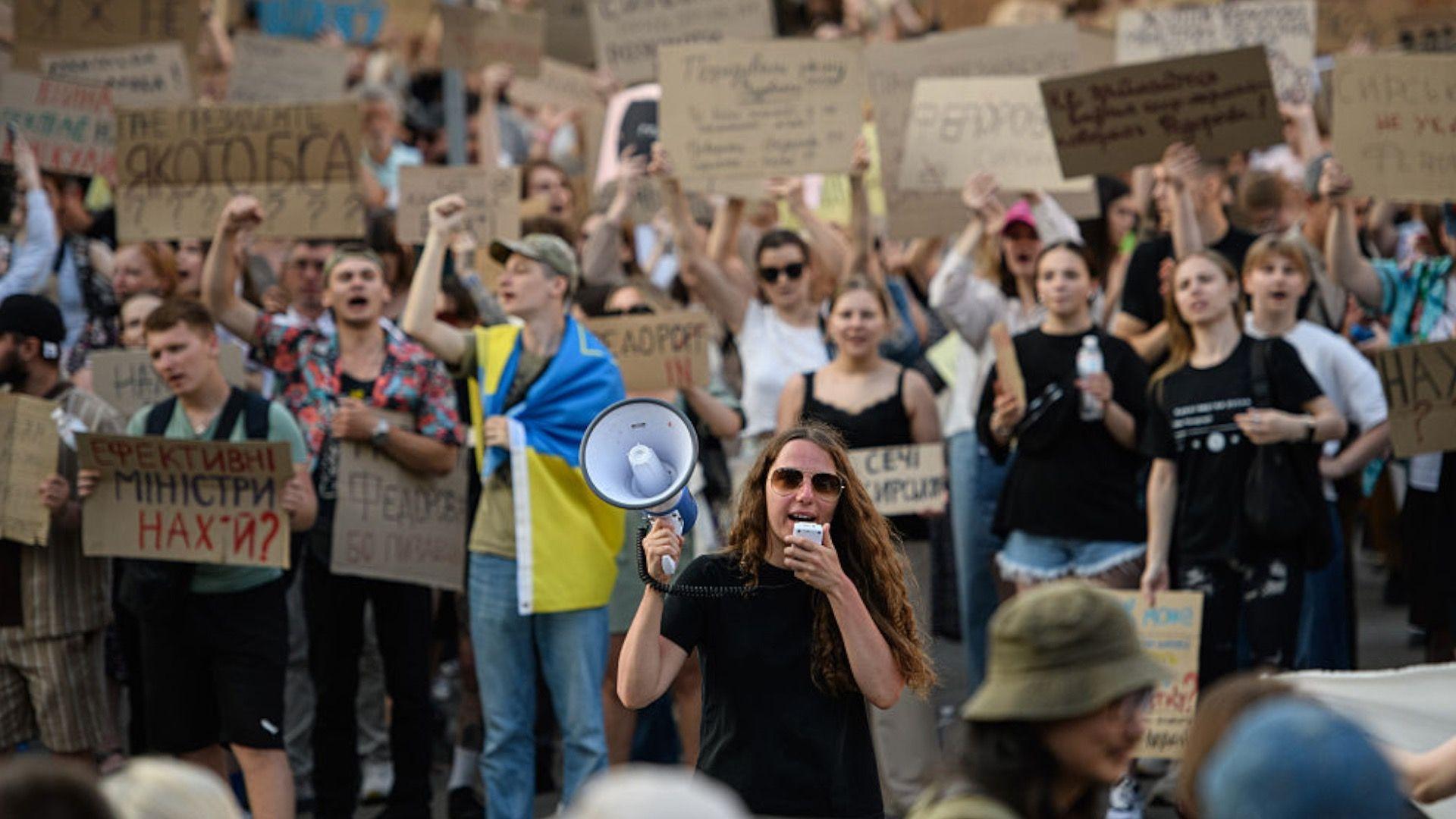
Recently, Ukrainian soldiers and wounded veterans poured into Kyiv’s streets to voice anger over President Volodymyr Zelensky’s decision to remove Defence Minister Mykhailo Fedorov in a cabinet reshuffle.
Spearheading a digital overhaul, Fedorov had succeeded in integrating drones, AI‑driven fire‑control, and a “Army of Drones” point system that boosted the war effort. His brief tenure saw him bring Elon Musk’s Starlink to Ukrainian fighter units, hindering Russian communications. Soldiers describe Fedorov’s consultancy as a lifeline, believing his removal could reverse this technological momentum.
Reactions from troops report frustration and a sense of betrayal. An unnamed soldier in a video expressed that “everything I fought for will have been in vain” if Fedorov is not reinstated. Others, like Maryna, coined the dismissal a “blatant slap in the face to all service members.” The protests, however, multiply expectations that the move encourages an authoritarian stance from the president.
Military analysts note the split between the modern Fedorov and the Soviet‑era General Oleksandr Syrskyi, whom soldiers call “The Butcher.” Syrskyi’s leadership is seen as restrictive, whereas Fedorov’s approach was progressive. The clash illustrates the broader debate on Ukraine’s strategic direction amid Russian aggression.
Amid the protests, an interim defence minister, Yevhenii Khmara, has been appointed. Yet critics, including anti‑corruption advocate Daria Kaleniuk, warn that the upheaval can come at a crucial autumn‑called timeframe when Russia may intensify assaults on Ukraine’s energy grid. Kaleniuk argues that such a pivot “sends a very bad signal” and could undermine international confidence in Ukraine’s leadership.
While the demonstrations remain smaller compared to past anti‑government protests post‑invasion, the stakes are reportedly larger. The protesters call for a “top‑down policy shift” that prioritises competence over political loyalty. Their message underscores a demand for continued investment in modern, morale‑boosting innovations that have turned the tide of the conflict.