Danube Drought Forces Shutdown of Hungary’s Only Nuclear Plant
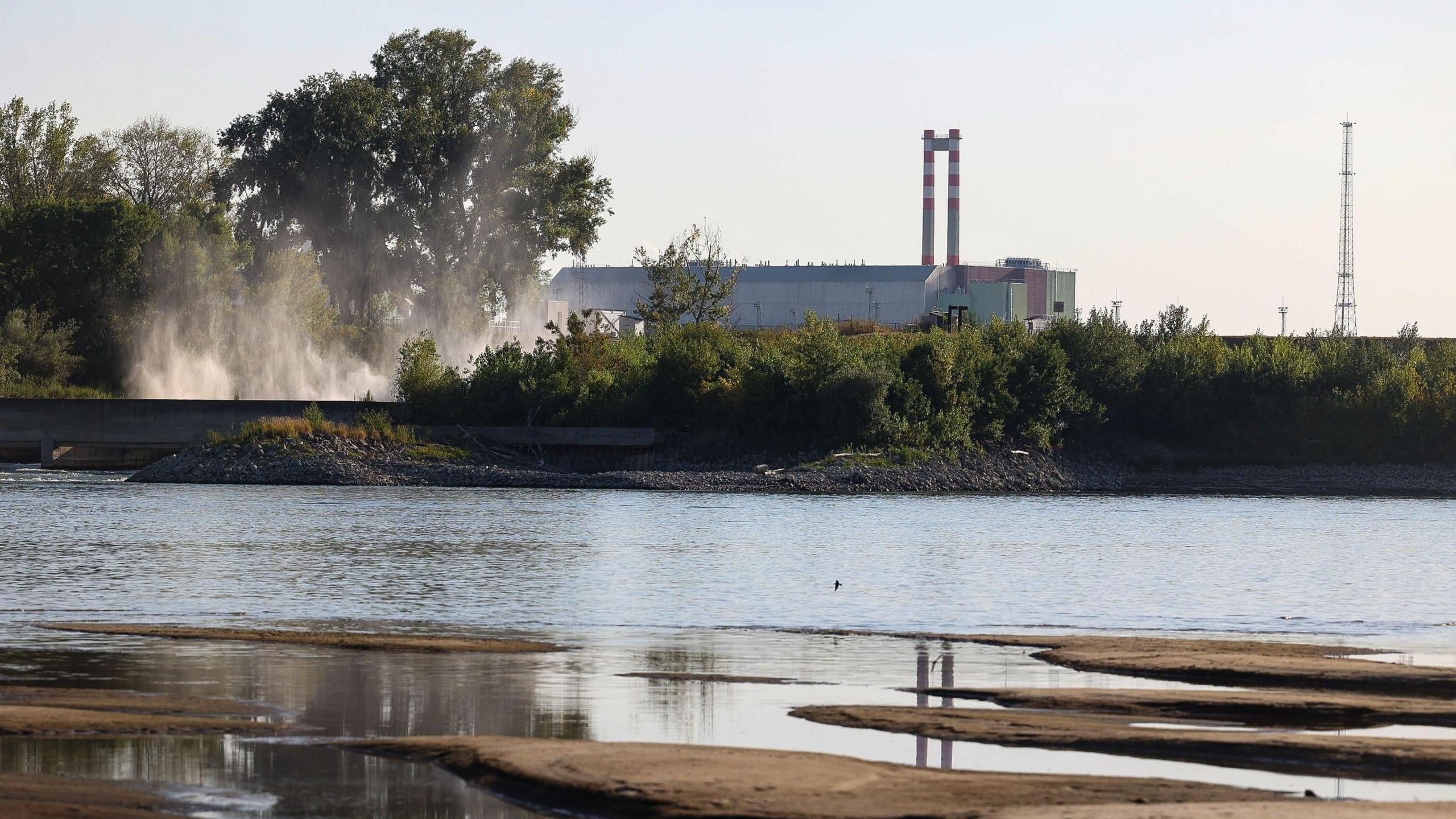
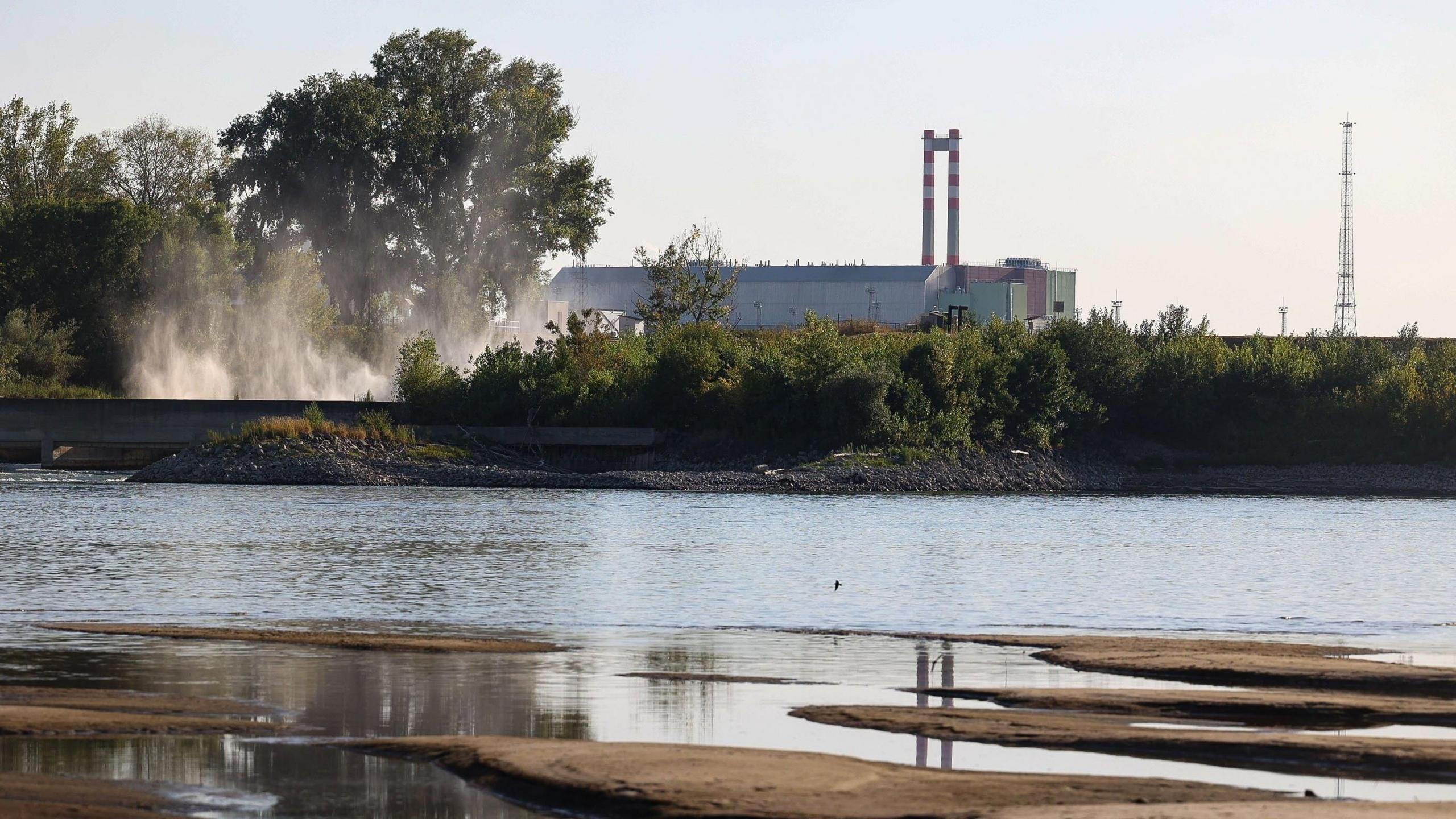
Hungary’s only nuclear power plant, the Paks plant, has been forced to shut down entirely for the first time in its history after the Danube River’s water level fell to a record low, Prime Minister Péter Magyar announced on Sunday. The Soviet‑era facility relies on the Danube for cooling, but the suction nozzles can no longer reach the river, forcing the shutdown.
Magyar warned that the country’s energy supply could become "critical" from Monday, as the plant’s closure coincides with a heatwave that will see temperatures hovering around 37 °C for a week. He urged Hungarians to limit high‑consumption activities from 5 p.m. to 10 p.m., including charging electric cars and running air conditioning.
The Danube’s levels dropped to its lowest point in 30 years in several countries, including Serbia and Romania, where the Cernavoda nuclear power station’s first of two reactors was already turned off to preserve the second. If the second reactor is shut down, both countries will be temporarily without nuclear power, a scenario that is unprecedented in recent European history.
Climate‑change scientists warn that recent heat waves are heating up twice as fast as the global average, putting huge pressure on Europe’s water resources. The record‑low flow has exposed the riverbed in many cities, revealing old shipwrecks and livestock stranded on sand dunes. In Bulgaria, the Danube has become dry enough to stop shipping, and a cruise ship had to evacuate 186 passengers.
Experts say the problems are due to both high temperatures and a severe lack of rainfall during the spring. For the next few weeks the river levels are expected to stay below average, until mid‑September when they might begin to recover.