The armed conflict between Russia and Ukraine has reached a new level of brutality as both belligerents launched a flurry of deadly strikes over the last week, resulting in a combined toll of casualties and damaged infrastructure that underscores the war’s relentless intensity.
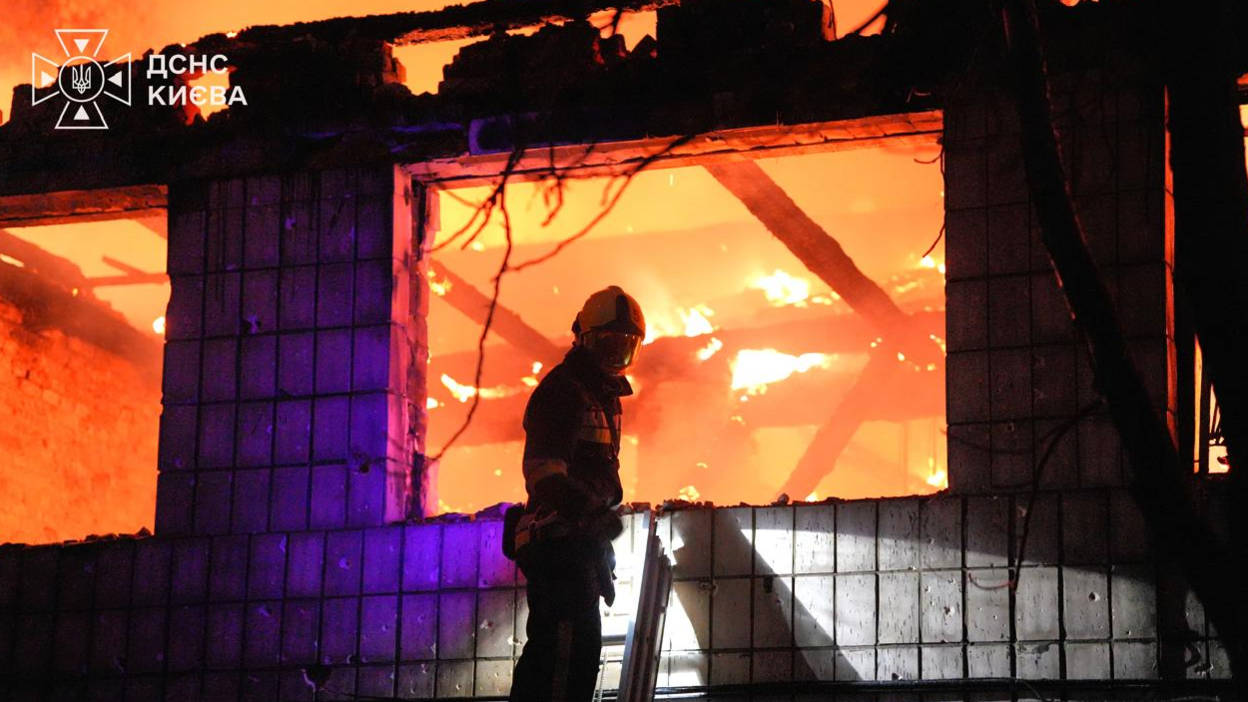
In Russian‑occupied eastern Ukraine, Ukrainian forces struck targets in the Belgorod region, inflicting nine deaths and 23 wounds, including a child, according to local officials. The attacks, carried out by a mix of drones and ground‑based weaponry, razed buildings and damaged civilian vehicles, drawing criticism from Russian authorities who accuse Ukraine of indiscriminate warfare.
Simultaneously, Russian forces condemned a cluster of attacks in western Ukraine’s Belgorod and Astrakhan regions that left eight civilians dead and a woman wounded, alongside losses in the Sumy and Donetsk provinces where Ukrainian drones claimed further lives. Russian officials maintain that these strikes targeted industrial facilities, yet reports indicate a significant civilian impact.
The war’s strategic dimensions have expanded, with Ukraine deploying over 800 drones toward Russia, including 600 aimed at Moscow, as noted by a regional governor. This deep‑penetration campaign aimed at logistics hubs—most notably the Siberian‑style online retailer Wildberries—has led to the closure of approximately 70 % of its major distribution centers.
While both sides denounce attacks on civilians, the pattern of battles suggests a purposeful targeting of supply chains to weaken the opponent’s war‑fighting capacity. Russian forces have intensified missile sorties across Ukraine, while Ukrainian commanders claim the strikes are defensive but continue to target strategic assets such as air‑defence installation sites, water‑heating factories and missile launch pads.
Globally, the clash’s escalation threatens to ripple beyond Europe. The disruption of transit corridors and warehouse logistics has already impacted international trade, and the number of casualties—both military and civilian—has prompted calls from humanitarian groups for stricter adherence to the Geneva conventions.
With the strike count rising and casualties mounting, the international community watches closely as the war evolves. Whether a diplomatic resolution remains feasible is uncertain, yet the latest cross‑border bombardments remain a stark reminder of the war’s human cost, the indispensable role of logistics in modern warfare, and the strategic ballets waged far from the frontlines.