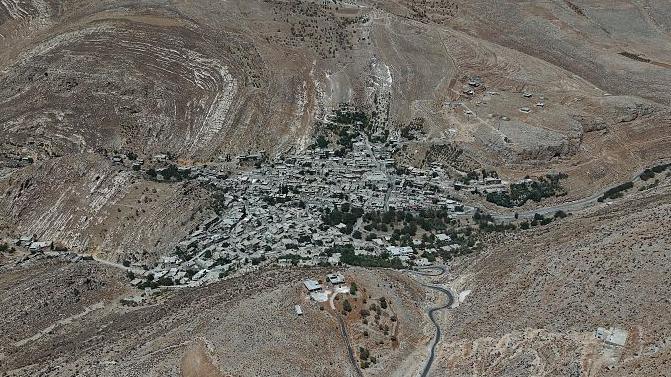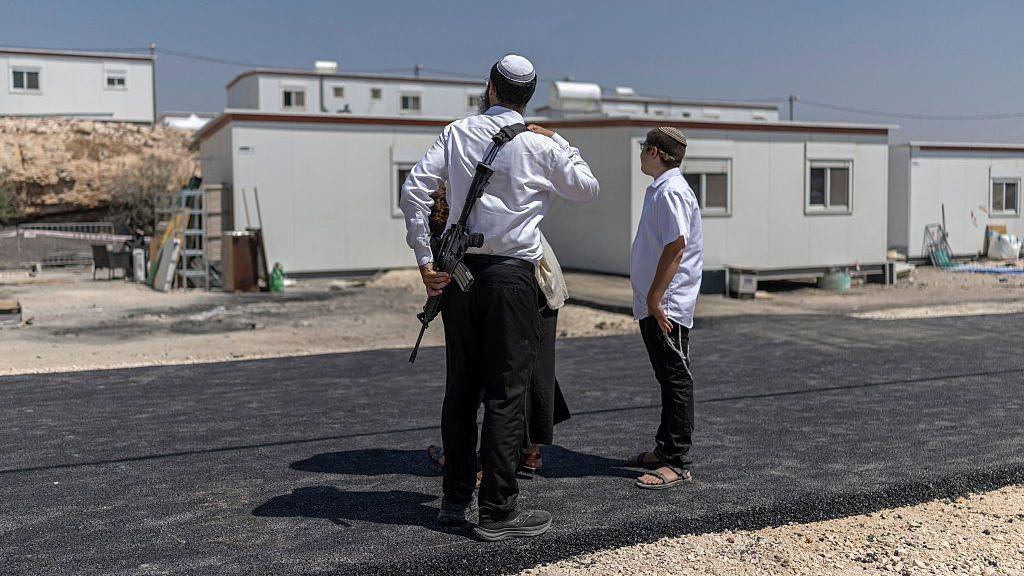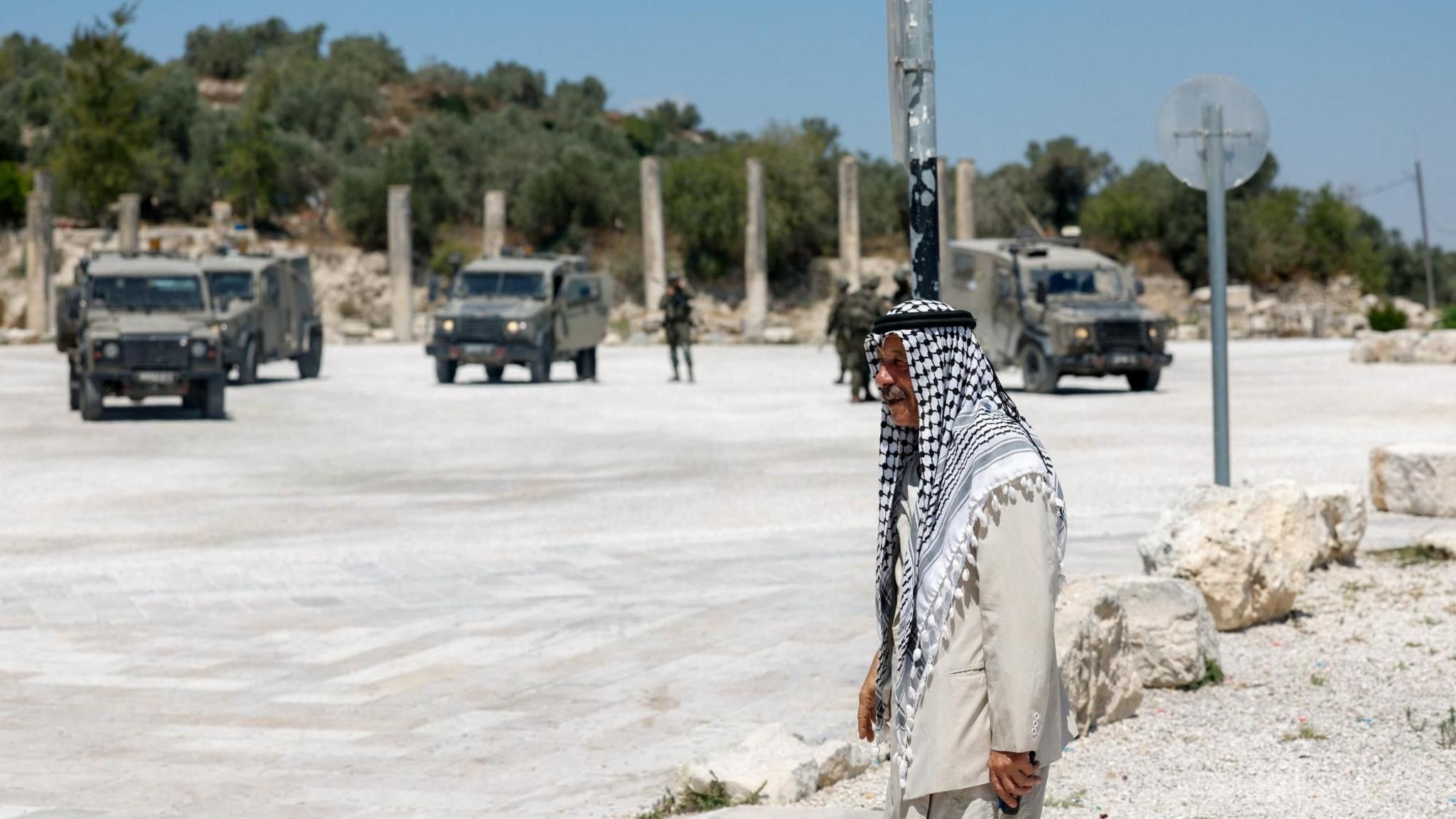
In the hills above the Roman columns of Sebastia, woolly olive trees have flourished for generations. New Israeli orders have placed around 450 acres of this land—belonged to Palestinian families—into a programme for a major national park. The government says the park will safeguard and promote the site’s ancient heritage.
Most Palestinian landholders receive little or no compensation when their land is taken. The notification of expropriation has therefore been met with sorrow and resistance. Abu Mudif, a local olive grower, described the loss as a “soul ripped away” and feared losing his identity and income. Likewise, vendor Nahed Sakha, who runs a nearby restaurant, worries that demolition threats will isolate the community from the ruins that date back to Roman, Crusader and Ottoman times.
The United Nations’ cultural agency, UNESCO, has placed Sebastia on its World Heritage in Danger list, citing that the expropriation “could split the property and sever community ties.” UNESCO’s report emphasises that the site’s archaeological riches belong to all peoples and that joint stewardship is essential. Israeli spokesperson Gideon Saar dismissed the move as an attempt to “rewrite history.”
In addition to Sebastia, Israel has seized 80 acres near Herodium—an ancient palace built by King Herod—to preserve the site. Human rights observer Peace Now argues that such expropriations violate international law, as they serve settlement expansion under the guise of heritage conservation.
An Israeli activist, Alon Arad, warns that the proposed law would shift authority over archaeological sites from the Civil Administration to the Heritage Ministry, enabling unilateral land seizures. He stresses that while archaeological stewardship is vital, it should involve local communities and respect property rights.
The conflict over archaeology highlights how the West Bank’s cultural monuments are increasingly entwined with settlement politics, drawing sharp criticism from Palestinian groups, international bodies and civil society organisations.