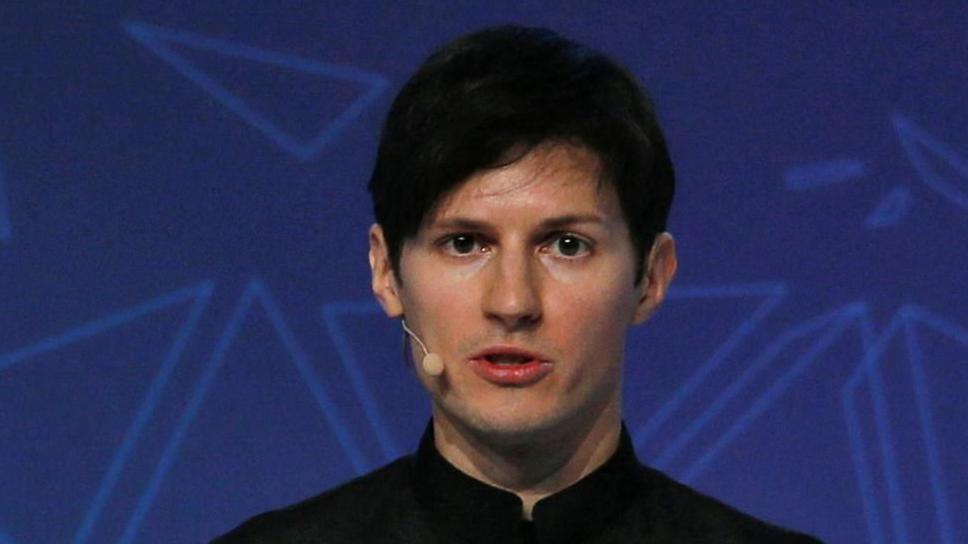
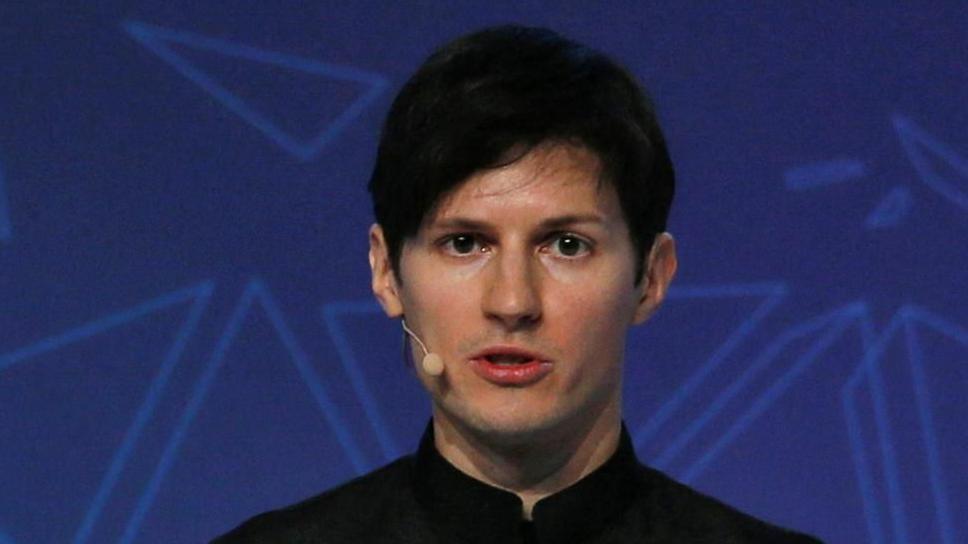
The Federal Security Service announced that it has formally charged Pavel Durov, the founder of the encrypted messaging platform Telegram, with facilitating terrorism. Russian prosecutors allege that the service was utilised by Ukrainian special‑forces units to plan and execute acts of sabotage across the Russian mainland.
An international arrest warrant has been issued, but Durov currently lives outside Russia and holds passports issued by France and the United Arab Emirates. The move comes after the platform’s use by Ukrainian operatives was linked to several high‑profile incidents during the ongoing conflict.
In reaction to the charges, Telegram’s official channel on the X platform posted an image of Durov showing his middle finger. The founder has long been a vocal critic of the Kremlin’s attempts to restrict freely available messaging services within the country.
Telegram, which claims to prioritise user privacy, sees use by more than 950 million people worldwide, including a substantial user base in both Russia and Ukraine. The app has faced criticism for blocking insufficient moderation, but has denied that it falls short of industry standards.
The case highlights broader tensions between the two combatant states. While Russia’s authorities intensify crackdowns on perceived domestic dissent, other nations—including France—have investigated the app on similar grounds. Whether international courts or foreign law‑enforcement agencies will honour Russia’s arrest warrant remains uncertain.
This development positions Telegram at the centre of a debate over digital security, platform responsibility, and the broader geopolitical struggle that currently defines the region.