Trump's Warning to Taiwan: Independence Under Scrutiny
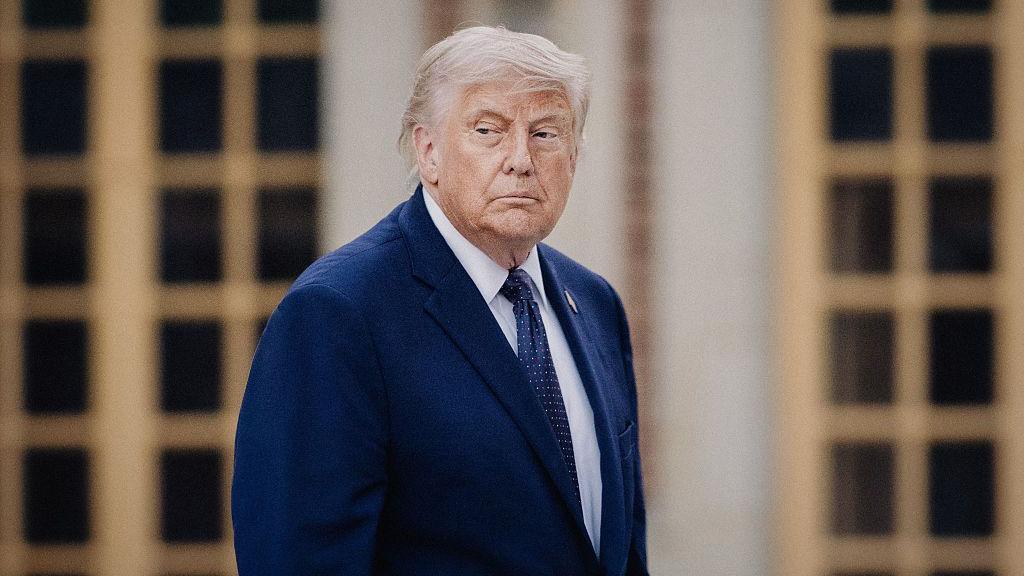
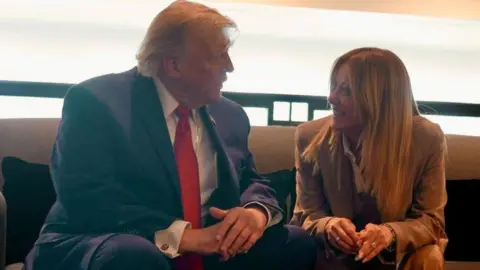
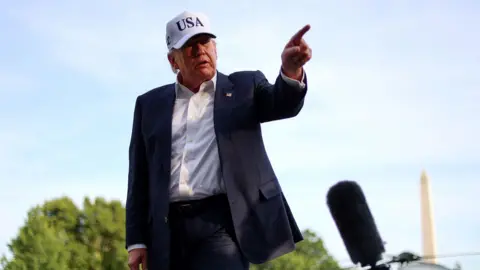
Former President Donald Trump's recent comments cautioning Taiwan against pursuing independence have ignited a complex discourse about Taiwan's ambitions, China's territorial claims, and U.S. foreign policy. In an interview, Trump stated, I'm not looking to have somebody go independent... I want China to cool down, further underscoring the delicate balance within U.S.-Taiwan relations.
This admonishment has elicited various reactions in Taiwan, emphasizing that the island does not see the necessity to formally declare independence from China. Taiwanese independence remains a contentious issue for Beijing, which considers the island part of its territory.
The motivations behind China's insistence on Taiwan's reunification date back to the Chinese civil war in 1949, leading to the current geopolitical friction heightened by military maneuvers and political isolation tactics employed by Beijing. Recently, this issue has been characterized as a pivotal point in U.S.-China relations, presenting a potential flashpoint for conflict if mishandled.
Despite Trump's warning, most Taiwanese citizens advocate for maintaining the status quo rather than formal independence or unification. Officially, the Taiwanese government echoes this sentiment, asserting its identity as an independent entity without actively pushing for an official declaration of independence.
Historically, the U.S. has maintained a stance of strategic ambiguity regarding Taiwan's independence, balancing its support through the Taiwan Relations Act while acknowledging China's claim over the island. As the geopolitical landscape evolves, Trump's comments have raised questions about potential shifts in U.S. policy and its commitment to Taiwan amid increasing pressure from China.