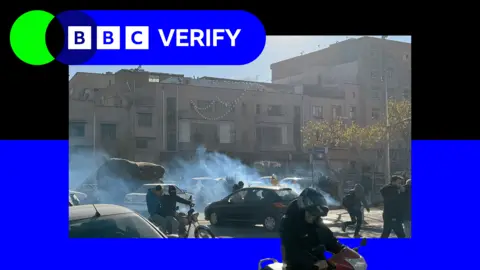
Protests have broken out in at least 17 of Iran's 31 provinces, presenting the largest challenge to the country's clerical establishment since 2022, a BBC Verify and BBC Persian analysis has found. The BBC's analysis included only those protests verified through video footage; the actual number of protests is likely much higher, with reports suggesting unrest in an additional 11 provinces.
The protests began on December 28, triggered by anger over a recent sharp devaluation of the Iranian currency against the dollar. Footage from the past ten days highlights anti-government demonstrations in over 40 towns and cities, including regions previously considered loyal to the state. Verified videos depict significant unrest, particularly in cities like Qom and Mashhad—locations traditionally supportive of the Islamic Republic.
According to Professor Sina Azodi from George Washington University, the demonstrations indicate that even the government's base of support is feeling the impact of economic hardship.
Initial police responses to the protests seemed restrained, but violent crackdowns have intensified after Supreme Leader Ayatollah Ali Khamenei's public address, where he asserted that rioters must be dealt with firmly. Despite calls for dialogue with protesters, judiciary authorities and the Islamic Revolutionary Guards Corps (IRGC) have warned that they will not tolerate unrest.
Reports from reliable sources indicate at least 35 fatalities linked to the protests since they began, with confirmed deaths of both civilians and security personnel. Human rights groups have noted incidents of violence, including a notable crackdown in the western province of Ilam, where gunfire erupted during a protest, resulting in multiple casualties.
The ongoing protests reflect frustration with government mismanagement and corruption amid severe economic conditions exacerbated by international sanctions. Demonstrators are increasingly vocally anti-government, chanting against Supreme Leader Khamenei and expressing support for the exiled son of Iran's shah, Reza Pahlavi. Some protests have escalated to acts of arson against symbols of the government.
Experts maintain that while the protests are extensive, they do not yet constitute a direct threat to the regime, as security forces remain loyal and have yet to display significant defection or dissent.
Reporting by Shayan Sardarizadeh, Ghoncheh Habibiazad, Matt Murphy, Farzad Seifikaran, Emma Pengelly, Sherie Ryder, Yi Ma, and Paul Brown.
The protests began on December 28, triggered by anger over a recent sharp devaluation of the Iranian currency against the dollar. Footage from the past ten days highlights anti-government demonstrations in over 40 towns and cities, including regions previously considered loyal to the state. Verified videos depict significant unrest, particularly in cities like Qom and Mashhad—locations traditionally supportive of the Islamic Republic.
According to Professor Sina Azodi from George Washington University, the demonstrations indicate that even the government's base of support is feeling the impact of economic hardship.
Initial police responses to the protests seemed restrained, but violent crackdowns have intensified after Supreme Leader Ayatollah Ali Khamenei's public address, where he asserted that rioters must be dealt with firmly. Despite calls for dialogue with protesters, judiciary authorities and the Islamic Revolutionary Guards Corps (IRGC) have warned that they will not tolerate unrest.
Reports from reliable sources indicate at least 35 fatalities linked to the protests since they began, with confirmed deaths of both civilians and security personnel. Human rights groups have noted incidents of violence, including a notable crackdown in the western province of Ilam, where gunfire erupted during a protest, resulting in multiple casualties.
The ongoing protests reflect frustration with government mismanagement and corruption amid severe economic conditions exacerbated by international sanctions. Demonstrators are increasingly vocally anti-government, chanting against Supreme Leader Khamenei and expressing support for the exiled son of Iran's shah, Reza Pahlavi. Some protests have escalated to acts of arson against symbols of the government.
Experts maintain that while the protests are extensive, they do not yet constitute a direct threat to the regime, as security forces remain loyal and have yet to display significant defection or dissent.
Reporting by Shayan Sardarizadeh, Ghoncheh Habibiazad, Matt Murphy, Farzad Seifikaran, Emma Pengelly, Sherie Ryder, Yi Ma, and Paul Brown.