Families Await Verdict in Genoa Bridge Collapse Case
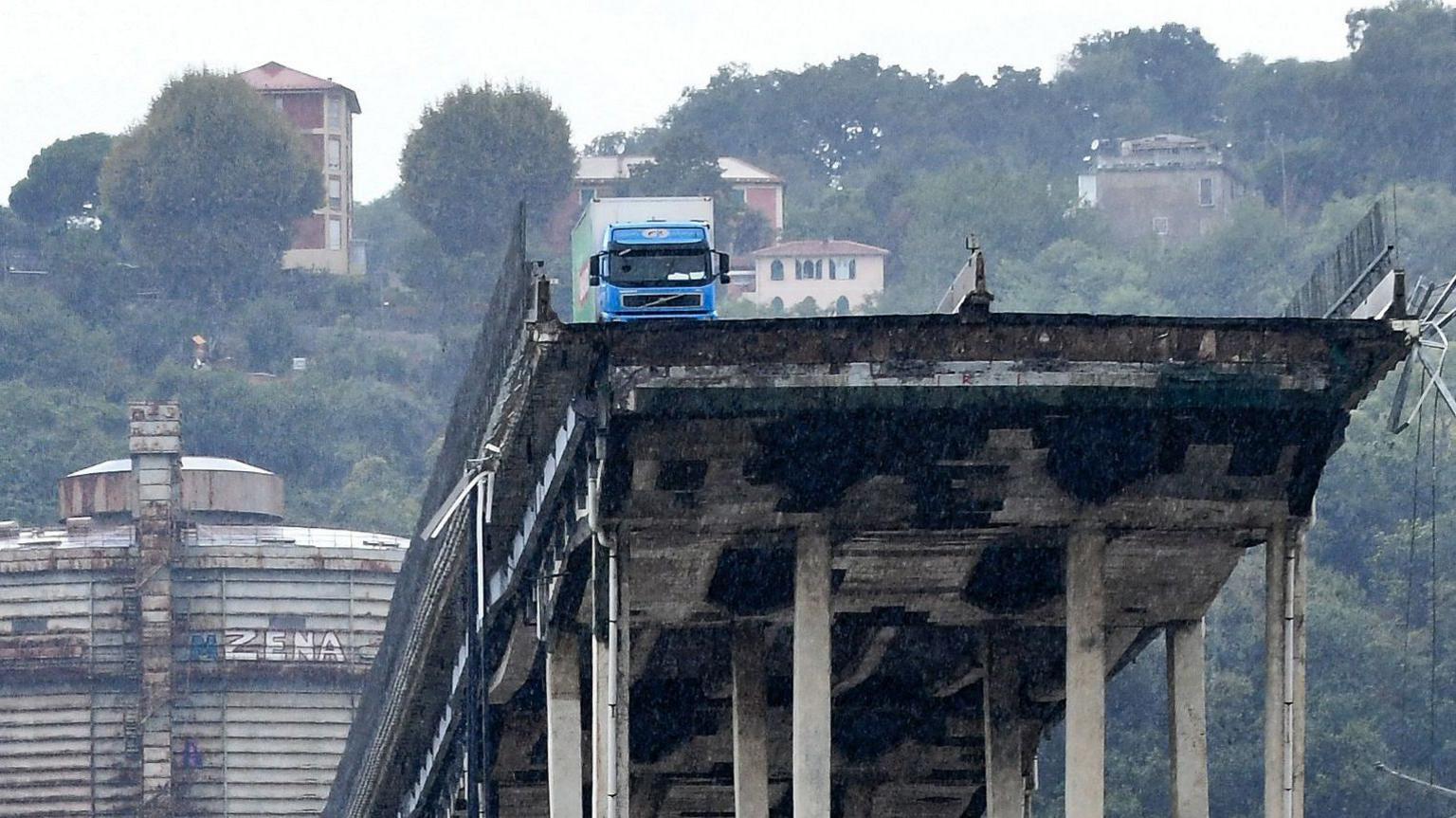
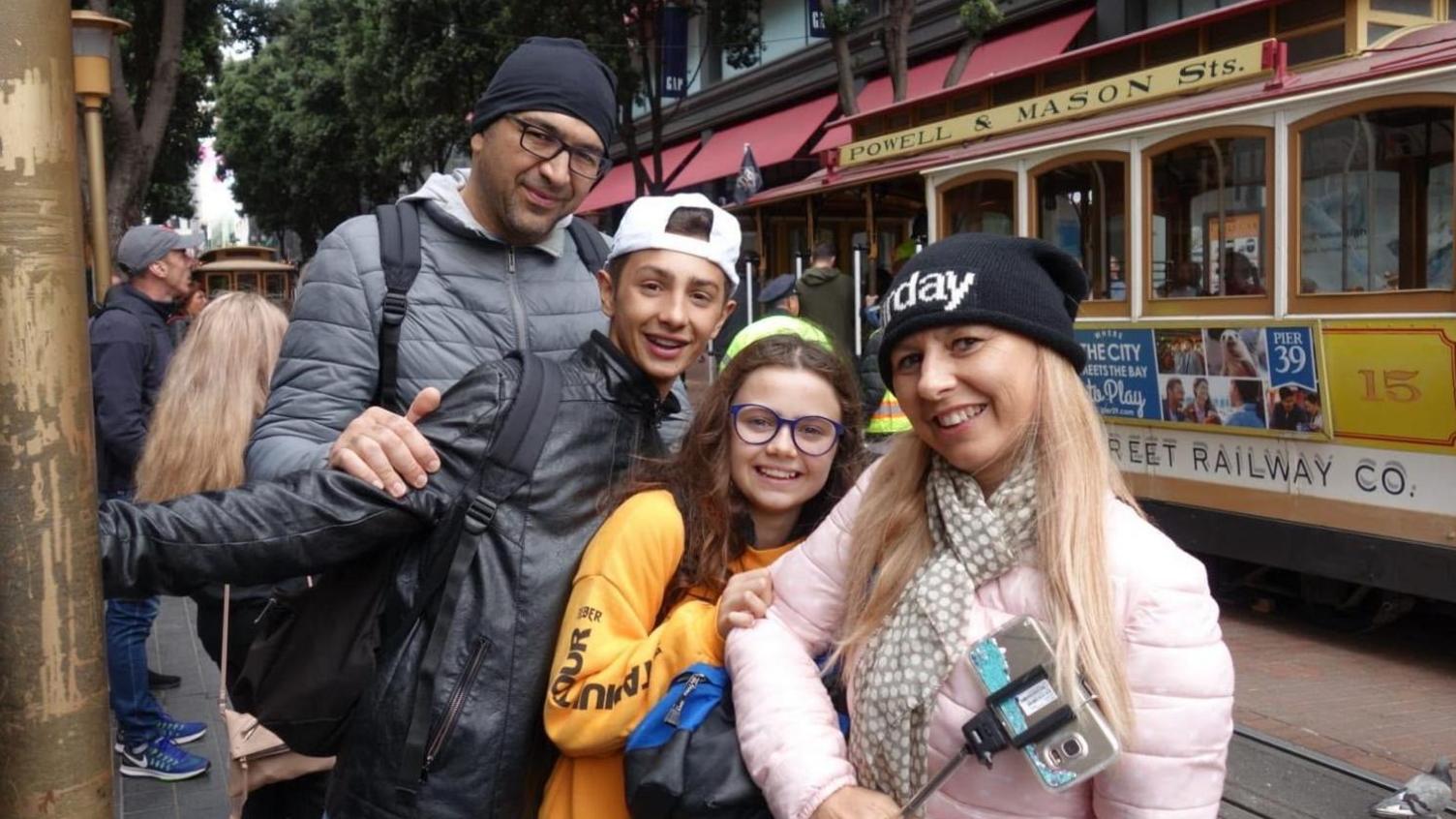
On the morning of 14 August 2018, Claudia Possetti, age 47, and her husband, Andrea, drove along the Genoa‑Riviera motorway with their two children when the Morandi viaduct gave way.
The collapse sent cars and lorries into the River Polcevera below, killing 43 people, including the Possetti family. The tragedy remains Italy’s most devastating infrastructure disaster in recent memory.
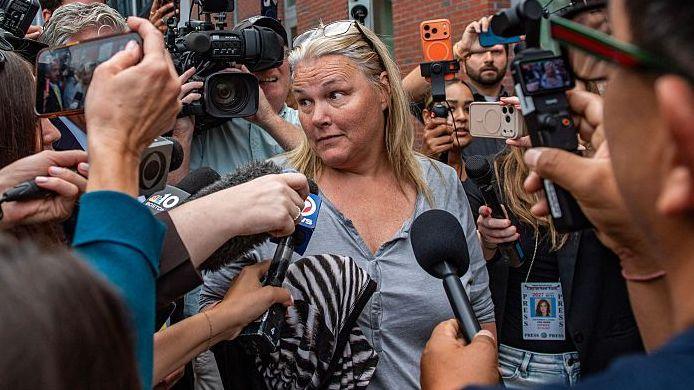
Nearly eight years later, relatives such as Egle Possetti and the surviving children’s father are waiting in a Genoa courtroom for a first‑instance verdict. They hope the court will finally assign responsibility to the parties whose negligence—or lack of maintenance—led to the collapse.
To date the trial has seen 57 defendants, including former executives of Autostrade per l’Italia and its parent Atlantia, engineers from the maintenance firm Spea, and former ministry officials, charged with manslaughter, falsification and failure to maintain the structure. The defendants consistently deny any wrongdoing.
In the final days before the verdict, Autostrade per l’Italia issued the first public apology from the company, noting that the delayed acknowledgment was “a further painful wound” for the affected community. A €30 million settlement has already been reached with the families and the companies Aspi and Spea are no longer defendants in the criminal case.
The collapsed viaduct’s remnants were demolished in February 2019, and a new structure designed by Renzo Piano opened in August 2020. The families will hold a press conference after the verdict, a moment that could turn the tragedy into a flight‑path for future infrastructure accountability.