German prosecutors have filed charges against a Ukrainian national in connection with the 2022 Nord Stream pipeline explosions under the Baltic Sea.
The suspect, whose name is only disclosed as Serhii K due to German privacy rules, is accused of orchestrating and coordinating the attack that ruptured three of the four pipelines transporting Russian gas to Germany.
He first appeared in Italy last summer, was arrested and extradited to Germany in November. He maintains his innocence, and no confession has been recorded. Ukraine officially denies any role, a statement that now takes on sharp political texture given Germany’s current status as Kyiv’s largest provider of European military aid.
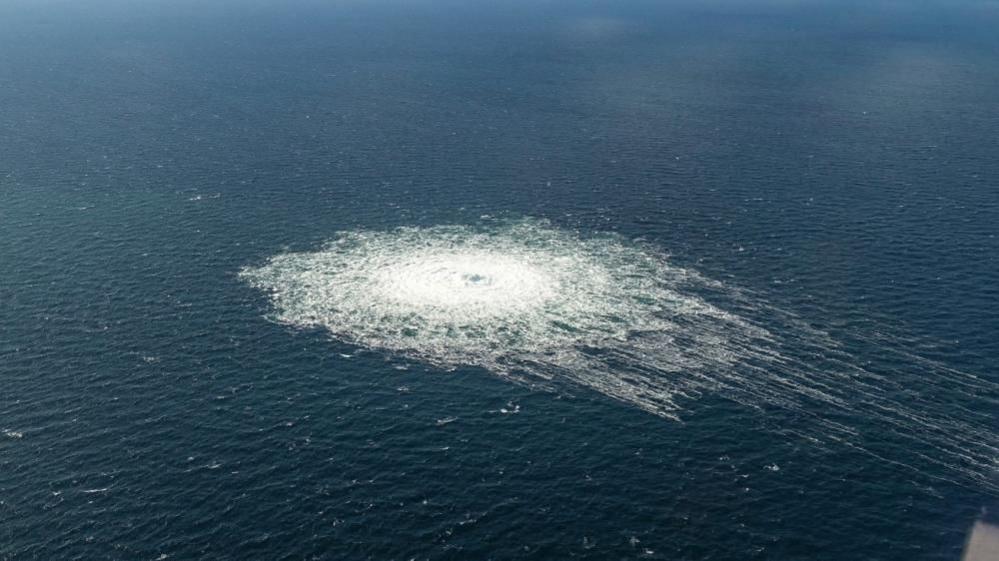
While the indictment’s precise charges remain undisclosed, German media reports say the indictment accuses K of leading a seven‑man crew in a sabotage operation that caused severe damage to civil energy infrastructure, released unprecedented methane volumes into the Baltic Sea, and rendered the multi‑billion‑dollar infrastructure inoperable.
The court case reflects broader cross‑border debates. Some commentators argue that Ukraine’s perceived heroic response to the blasts—by tightening energy security or undermining Russian revenues—must be reconciled with Germany’s legal stance that the act constitutes a serious transgression of international law.
The Nord Stream 1 pipelines comprised two 1,200 km (745‑mile) conduits that supplied a steady stream of gas from Russia to northeastern Germany, while Nord Stream 2 was never realized after Germany withdrew its approval pre‑war. The explosions on 26 September 2022 were the most damaging shocks to the region’s energy supply chain, with Russia blaming equipment failures and Europe suspecting state‑backed sabotage.
Experts note that currently no state has been directly linked to the attacks; however, the incident continues to fuel speculation about the involvement of Russia, the United States, or the United Kingdom. For many Ukrainians, the destruction of Nord Stream is viewed as a strategic advantage against Russia, raising questions about how Germany’s prosecution aligns with its support for Kyiv.
As investigations progress, the legal proceedings against Serhii K may shape the evolving narrative on energy security, state responsibility, and the balance between justice and geopolitical alliances in the heart of Europe.