Central Greece in Crisis
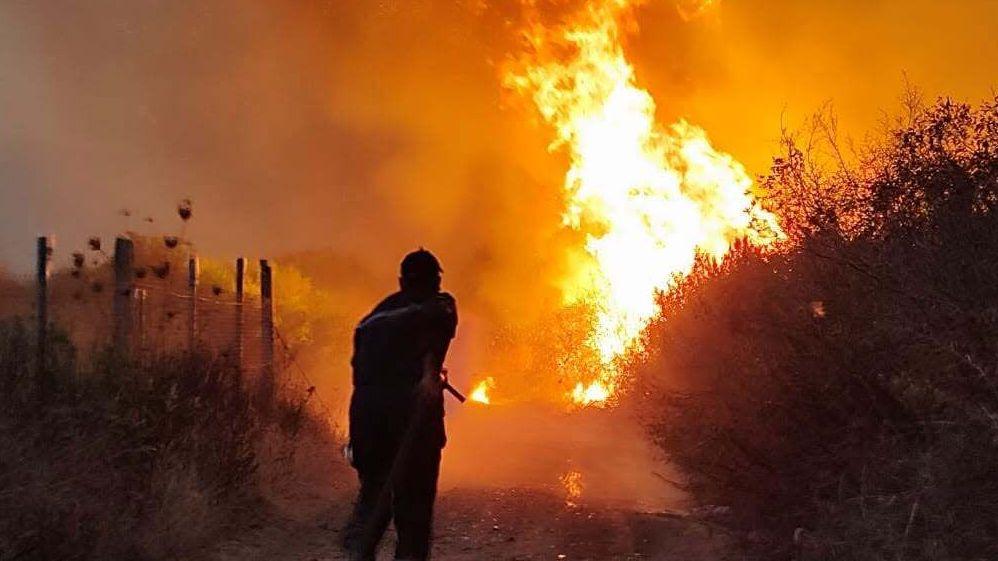
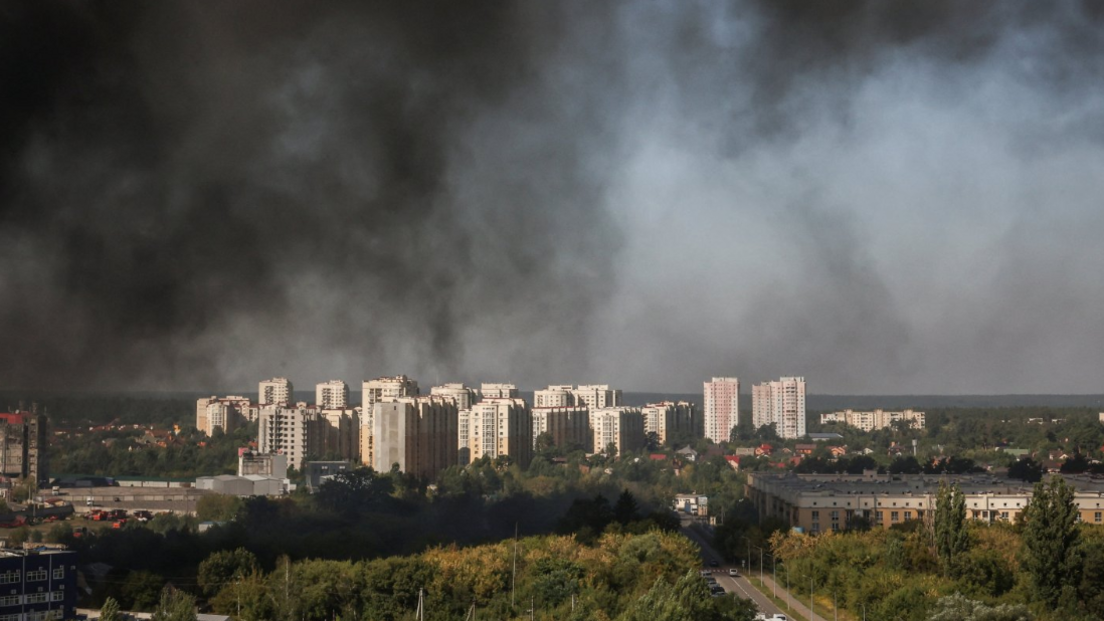
A wildfire that sprang up on Friday morning near the coastal town of Agios Vasileios in central Greece has forced the evacuation of almost 500 people—most of them tourists. Wind‑driven flames wrapped the town in days, sealing it from the mainland and leaving residents stranded.
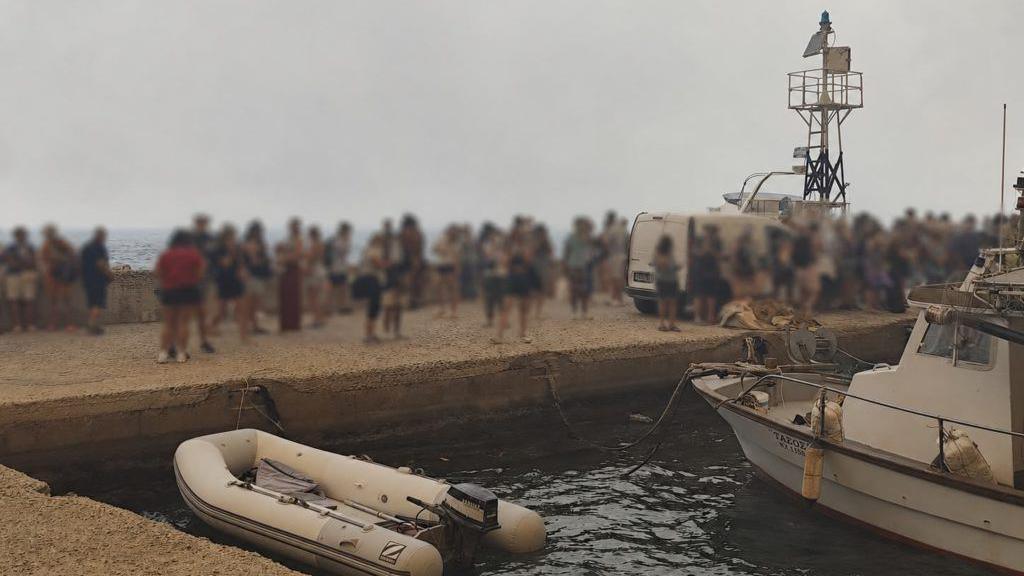
Firefighters and emergency workers began evacuation operations by boat, pulling people away from the shore as the blaze roared. About 200 residents have already left on boats and another 100 are slated for evacuation from the pier. Earlier, authorities urged those living in the outskirts to move inland, but the rapid spread and high winds made that impossible.
The Mediterranean Wildfires Continue to Spread
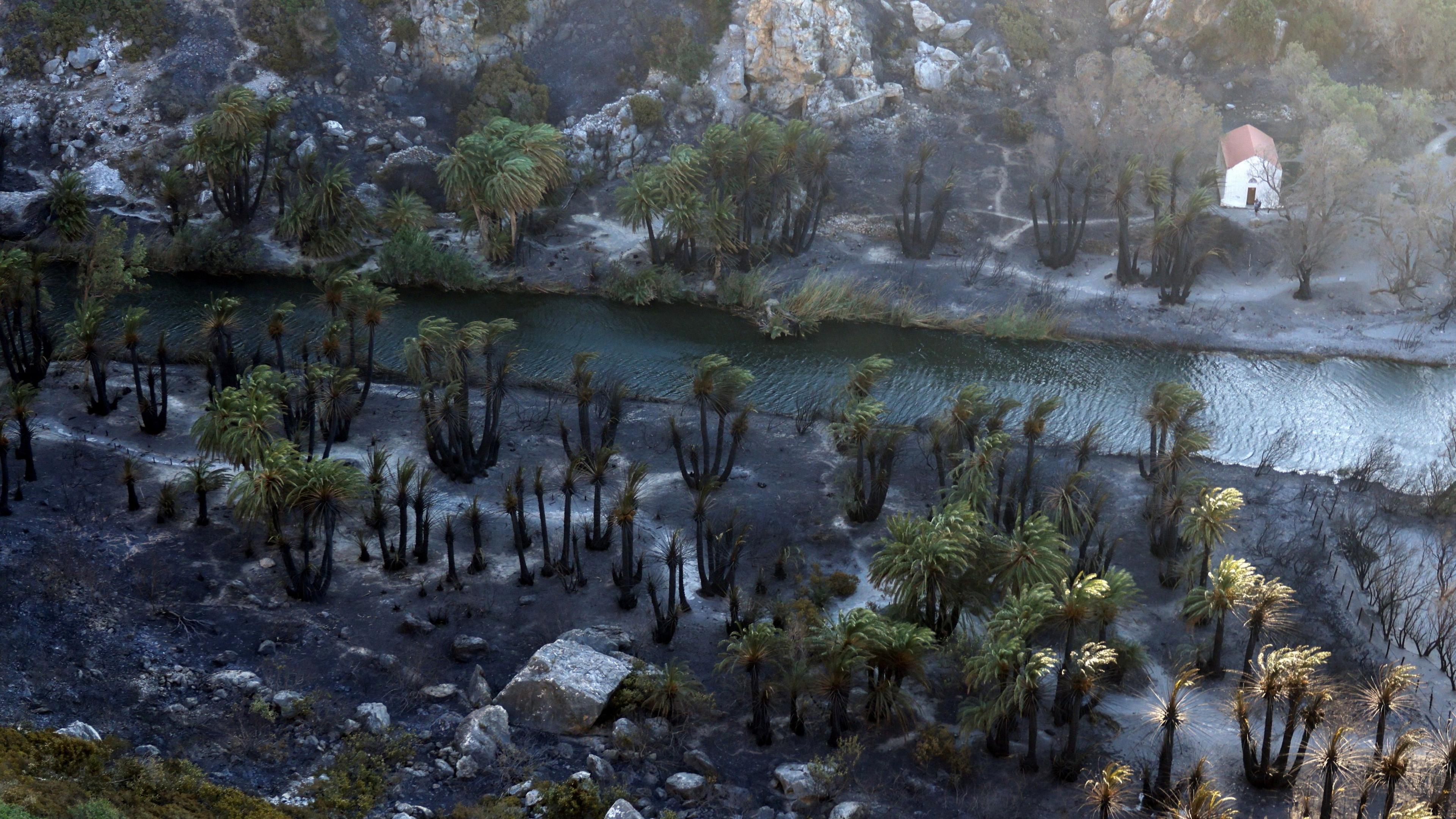
The same day a second blaze hit the lower slopes further up Agios Vasileios’s coast, burning farmland before moving onto the rural community of Xironomi. The island of Crete is still battling persistent hotspots that have scorched thousands of hectares, prompting a temporary evacuation of 8,000 people. Fires also touch the islands of Paros, Andros and Kalymnos.
Across the broader region the situation is dire. In Portugal a northern wildfire in Valpaços has consumed about 15,000 hectares of vineyards and olive groves, injuring five firefighters. In Spain more than 200,000 hectares have burned this year—double the average for this time of year—while a large blaze in the Ávila region was recently contained. All officials warn that the risk of additional fires remains high until the end of the week.
Climate‑Driven Conditions Heighten the Threat
The European heatwave has created a perfect combination of warm, dry winds and flammable vegetation that is a prime recipe for large fires. Historically, many of these blazes are sparked by human activity—whether intentional or accidental—yet the lingering effects of global warming have made the landscape more vulnerable to ignition. Authorities across the continent are calling for stronger land‑management policies and emergency preparedness as the summer progresses.