Israeli troops will control a large swathe of southern Lebanon as part of their campaign against Hezbollah, Defence Minister Israel Katz says.
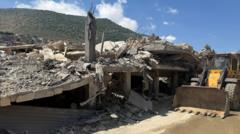
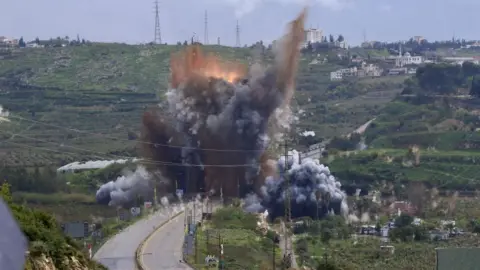
Katz stated that troops had blown up bridges on the Litani River, approximately 30 km from the Lebanon-Israel border, and that a security zone would be established, preventing displaced residents from returning until northern Israel is deemed safe.
Five bridges, which Katz claimed were used by Hezbollah for the passage of arms and personnel, had been destroyed.
The latest escalation initiated when Iranian-backed Hezbollah fired rockets into northern Israel, purportedly in retaliation for the killing of Iran's supreme leader and ongoing Israeli military actions against it, despite a ceasefire agreement established in November 2024.
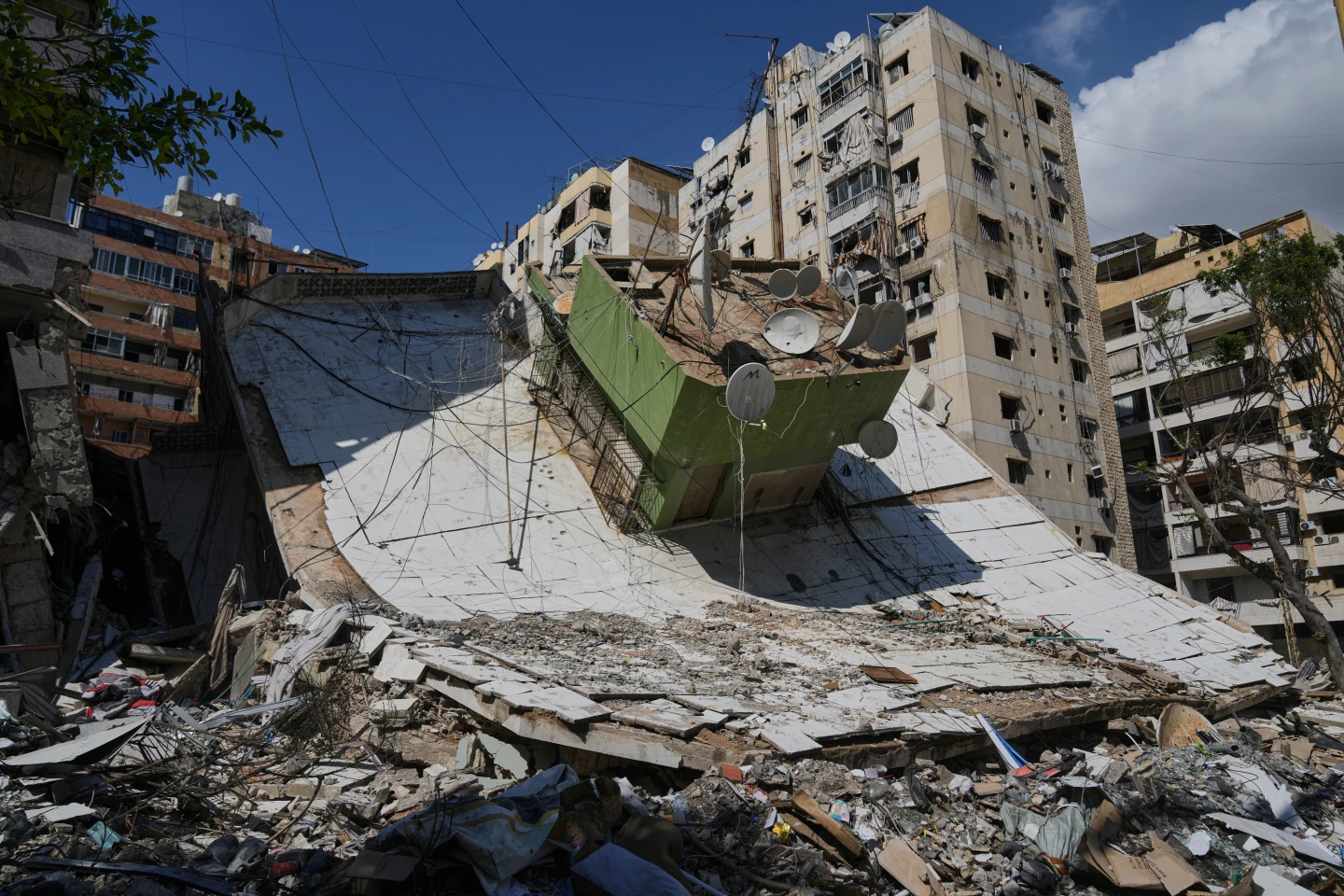
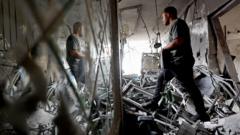
Since the outbreak of this latest conflict, at least 1,072 people have died in Lebanon, including numerous civilians, intensifying the humanitarian crisis as over a million people have been displaced. Israeli officials argue that this military move is essential to safeguarding communities in northern Israel from potential Hezbollah attacks.
Residents of northern Israeli regions had recently returned home after a year and a half of displacement due to constant rocket threats from Hezbollah. If forced to evacuate again, it would be a significant blow to local communities and the Israeli government.
The fighting escalated sharply following Hezbollah's fire directed at Israeli positions just after the Hamas attack on October 7, 2023, prompting an immediate response from Israeli forces.
Katz emphasized that the new strategy aims to secure a defensive space by keeping dangers at bay and follows models applied in previous military operations in Gaza, which resulted in widespread destruction and remained under Israeli control.
Hezbollah’s response indicated they are ready to confront the Israeli invasion, with a top official referring to the situation as an existential threat, asserting their intention to resist aggression and protect their territory.
This situation draws parallels to previous Israeli military strategies that aimed to counter Hezbollah but faced mixed results and significant public backlash in Israel due to casualties sustained during operations.
Lebanon’s President Joseph Aoun has condemned Israel's military strategy as a form of collective punishment against civilians, highlighting the complex humanitarian and security dilemmas arising from the ongoing conflict.
}