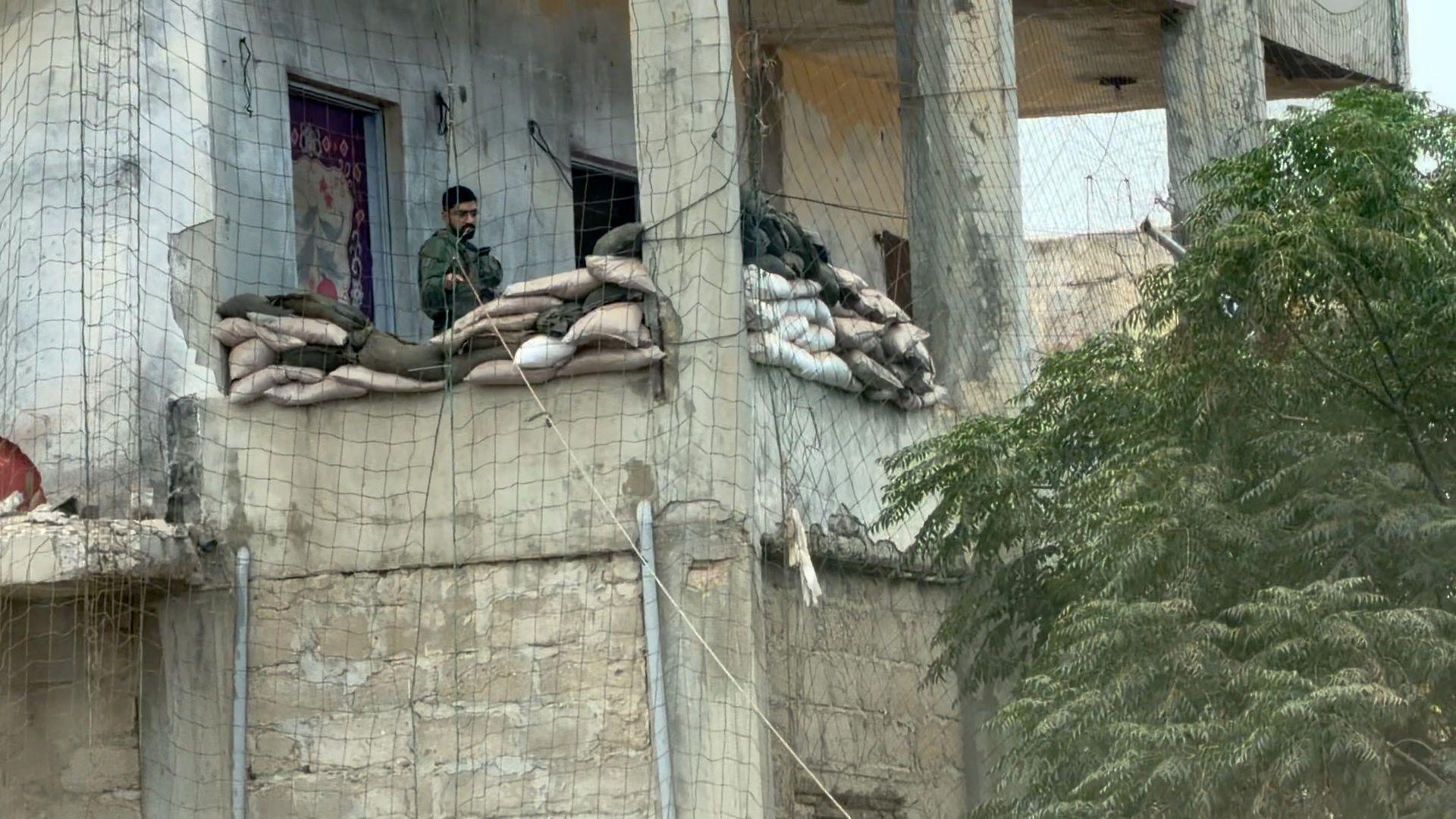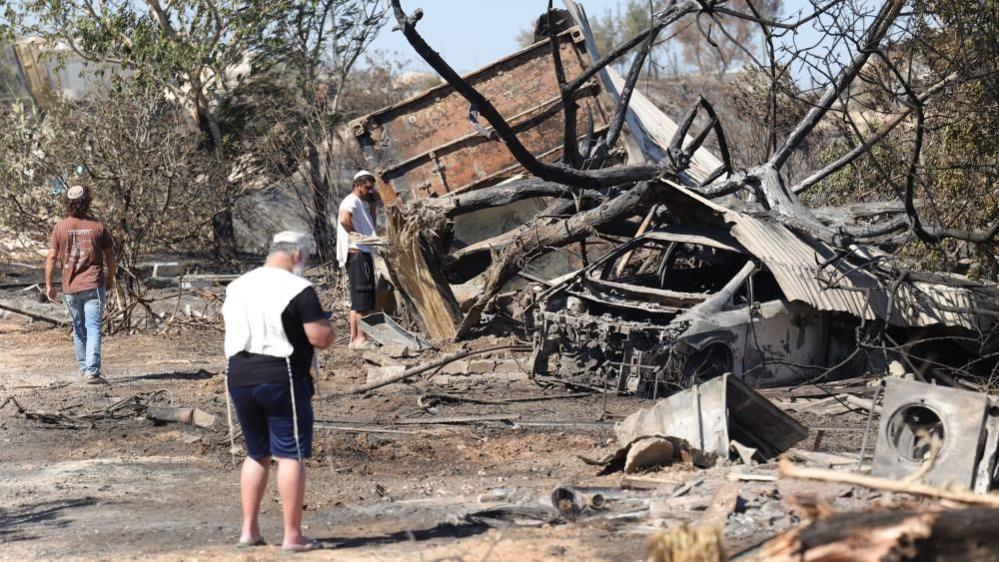
The iron‑clad outpost of Havat Gilad, perched on a series of hilltops in the occupied West Bank, has become a flashpoint for conflict. The settlement’s simple block houses and sheds are visible from adjacent Palestinian villages, making the area a daily intersection of Israeli and Palestinian lives.
In late July, a confrontation in the village of Tal turned deadly: an Israeli security guard was killed, four Palestinians lost their lives, and an Israeli soldier suffered a mortal wound. The intensity of the clash sparked a surge of attacks from settlers against neighbouring villages, including Tal and Sarra, in what the outpost’s own legal advisor, Yehuda Shimon, described as justified revenge. “We must kill all the people in Tal and Sarra, even the ones in Jit and Farata,” he said, later adding that a single Jewish life was worth the lives of “millions” of Palestinians.
Shimon’s vitriol illustrates a broader narrative that some ultra‑right forces in Israel have promoted: the divine right to the land, the expectation that Palestinian resistance be met with harsh retaliation, and the rejection of international law as irrelevant. According to the UN Office for the Coordination of Humanitarian Affairs (OCHA), 64 Palestinians were killed in the West Bank this year, with 18 of those deaths directly linked to settlement activity. These figures starkly contrast the settler’s claims that an exclusive Palestinian death toll is a justification for retaliatory violence.
Palestinians living within a kilometre of the outpost describe an environment of “unequal power” and denote the Israeli army’s presence as primarily protective of settlers rather than of Palestinian civilians. A local resident pointed out the closing of roads, arbitrary checkpoints, and the lack of security services for Palestinians, a situation described by some human‑rights groups as “apartheid.” Israel, for its part, dismisses the label as a distortion, arguing that the settlement’s legal status remains disputed but that it could be pursued through state land designations.
The broader dispute highlights a tension between national narratives and the rules of international law. While Israeli courts and many settlers argue for a religious‑historical claim, international bodies such as the International Court of Justice and the United Nations consider Israeli settlements in the West Bank illegal under the Fourth Geneva Convention. The case of Havat Gilad illustrates the lived reality of these controversies, drawing sharp lines in a region marked by prolonged tension.
The incident underscores how personal narratives, legal frameworks, and humanitarian concerns converge in the West Bank, shaping a conflict that continues to provoke global debate and urgent calls for a peaceful resolution.