A senior official in the Lebanese president's office has told the BBC that Lebanon will participate in direct negotiations with Israel next week only if there is a ceasefire in place beforehand.
This announcement follows Israeli Prime Minister Benjamin Netanyahu's authorization of direct talks, which he stated were prompted by 'repeated requests from the Lebanese government.'
A US State Department official confirmed plans to host a meeting next week in Washington to discuss ongoing ceasefire negotiations between Israel and Lebanon.
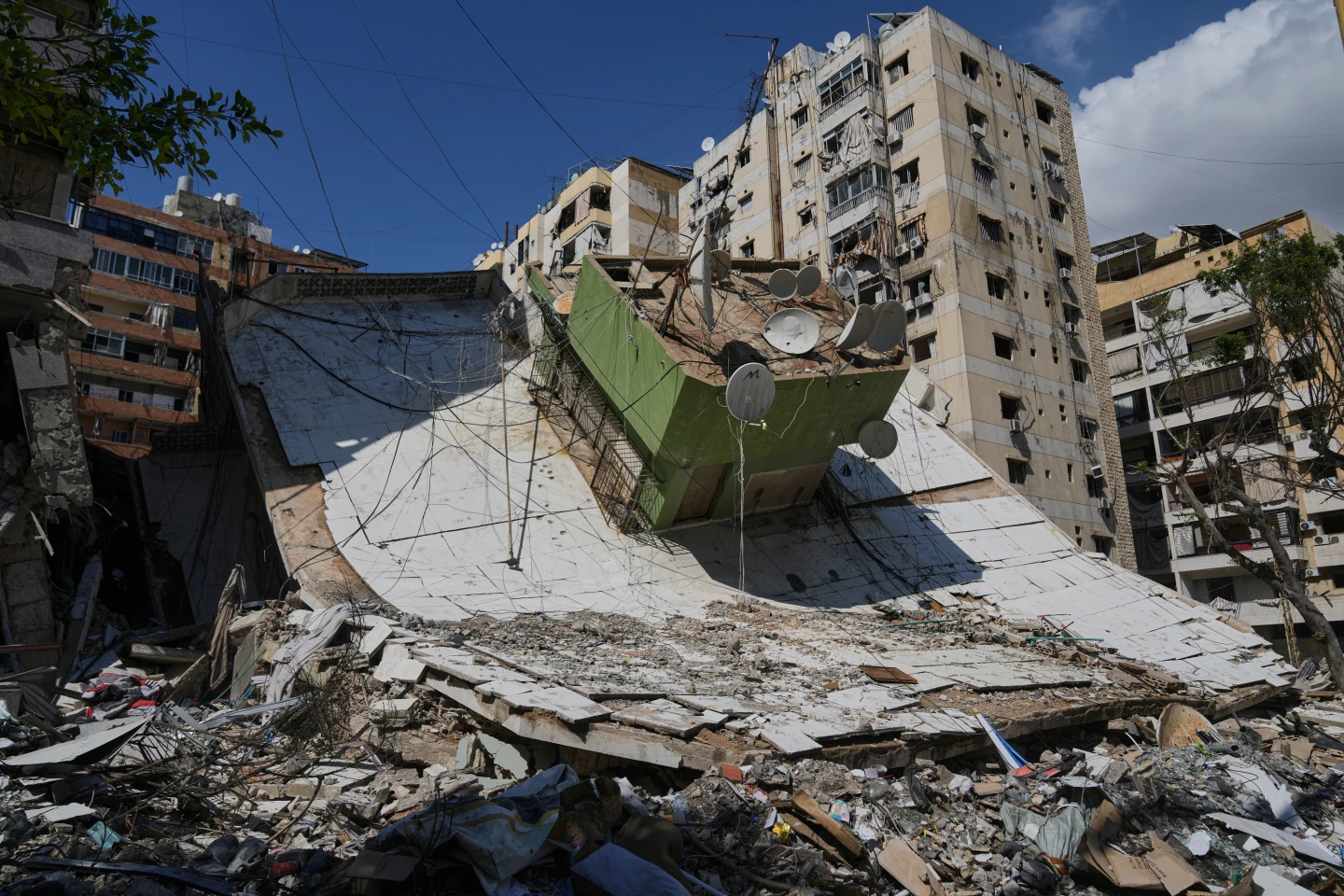
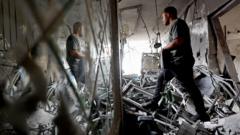
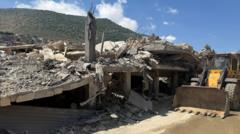
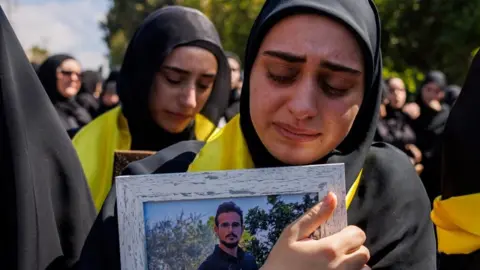
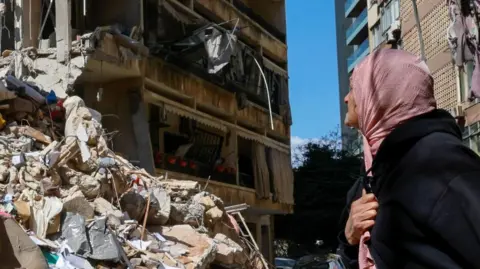
Despite potential diplomatic efforts, Israeli air strikes have continued with reports of significant casualties in Lebanon. Lebanese authorities report at least 21 deaths from the most recent attacks, including seven members of a single family and medical personnel.
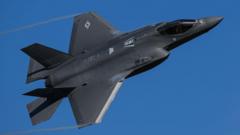
In retaliation, Hezbollah has launched rockets at several locations in Israel, further intensifying the conflict. Israeli defense forces have responded by targeting rocket launch sites in Lebanon.
Given the ongoing violence, it remains unclear if a ceasefire can be established before the scheduled talks. The U.S. maintains a critical role in mediating these negotiations, with disputes arising over whether Lebanon is included in the recent ceasefire declaration by the U.S. and Iran.
In a statement, Netanyahu insisted there was 'no ceasefire in Lebanon' while emphasizing the need for negotiations focused on disarming Hezbollah and achieving long-lasting peace.
Historically, negotiations between Israel and Lebanon have often occurred indirectly, making potential direct talks significant. The backdrop of ongoing air strikes and rocket attacks complicates the situation, raising concerns over a humanitarian crisis in Lebanon.