Oil prices have climbed past $100 a barrel for the first time since May, with Brent crude rising over 6% following escalating tensions in the Middle East.
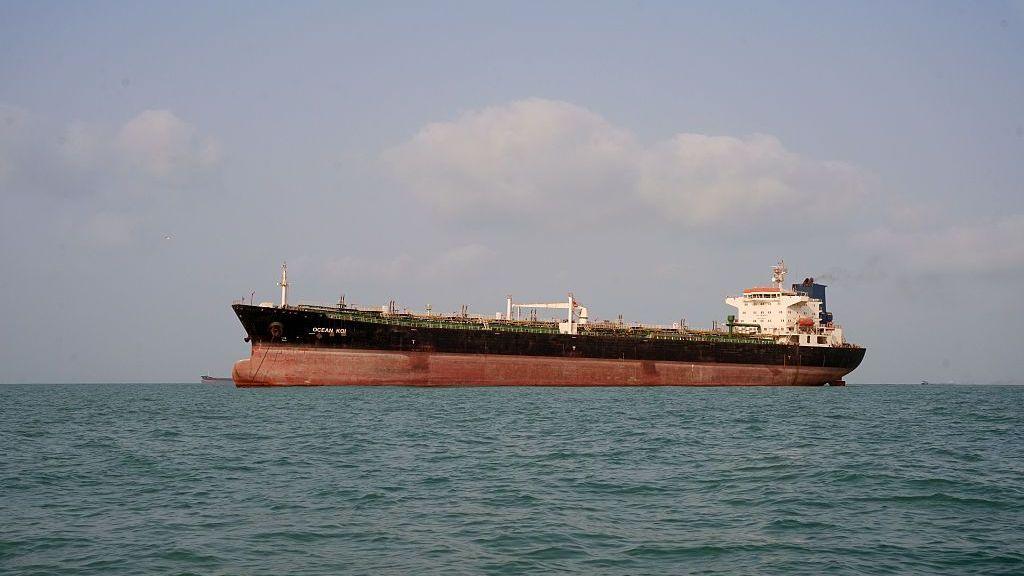
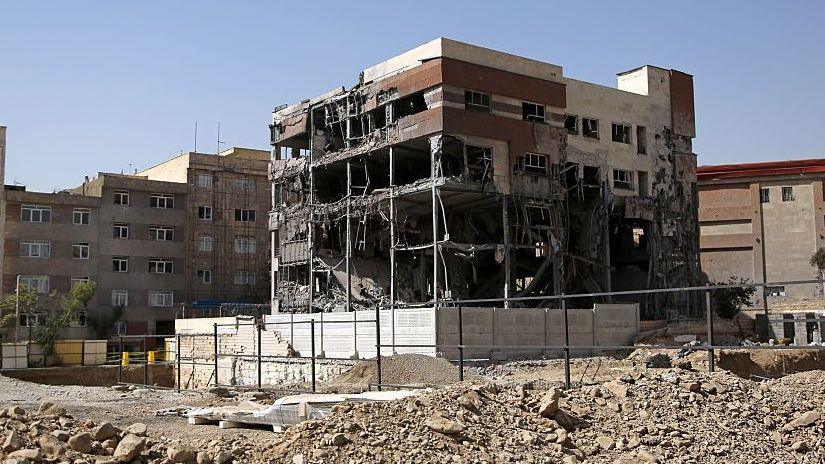
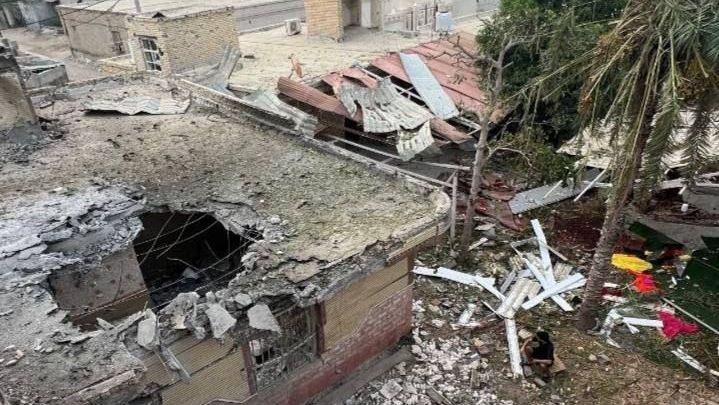
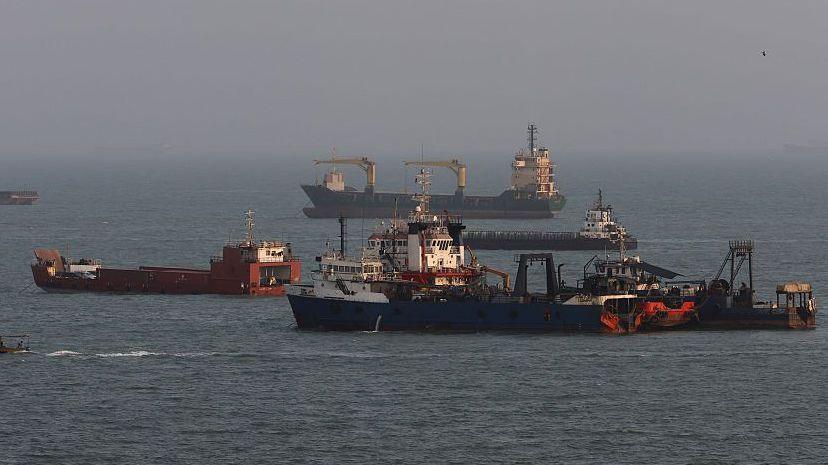
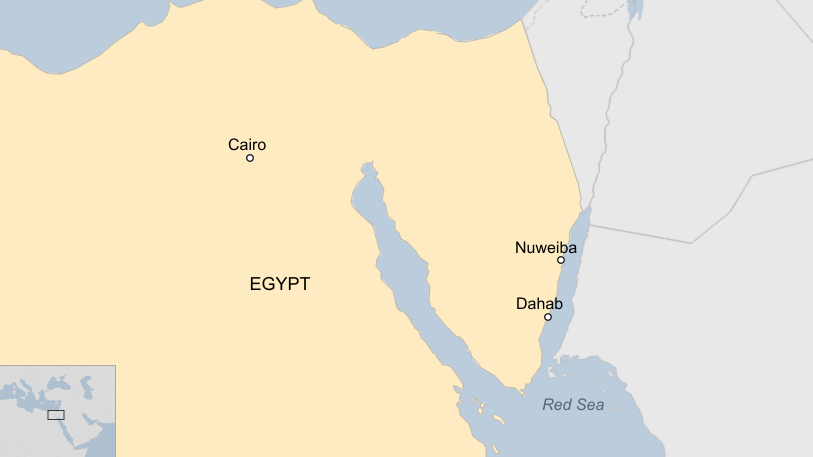
The increase comes after the United States intensified military strikes against Iran, and Houthi militia in Yemen attacked oil tankers in the Red Sea, threatening a critical export route usually used by Saudi Arabia to bypass the Strait of Hormuz.
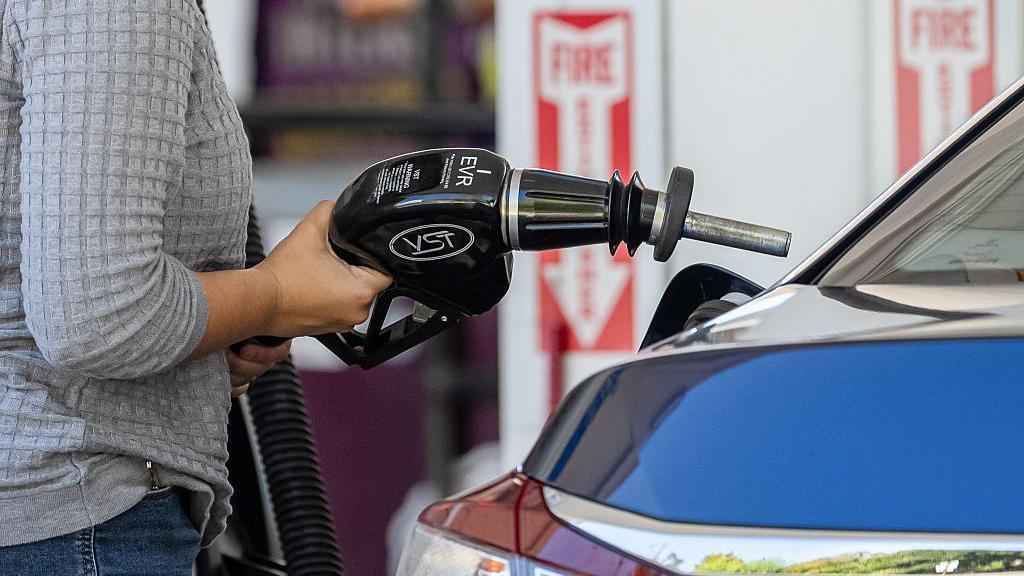
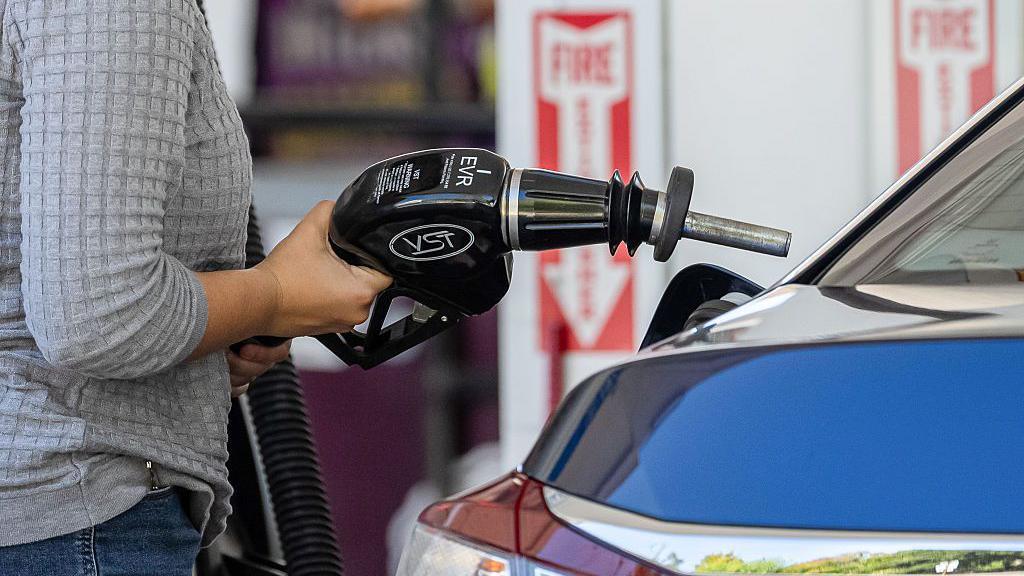
Higher oil prices are already reflected in retail fuel costs. In the UK, gasoline has risen to nearly £1.56 per litre and diesel to £1.72, while American gasoline has moved past $4 per gallon, up from $3.92 a month earlier, according to AAA.
The surge is feeding worries that inflation could persist, especially as energy prices remain elevated. Economists warn that higher transportation costs may translate into higher prices for food and other goods, straining household budgets.
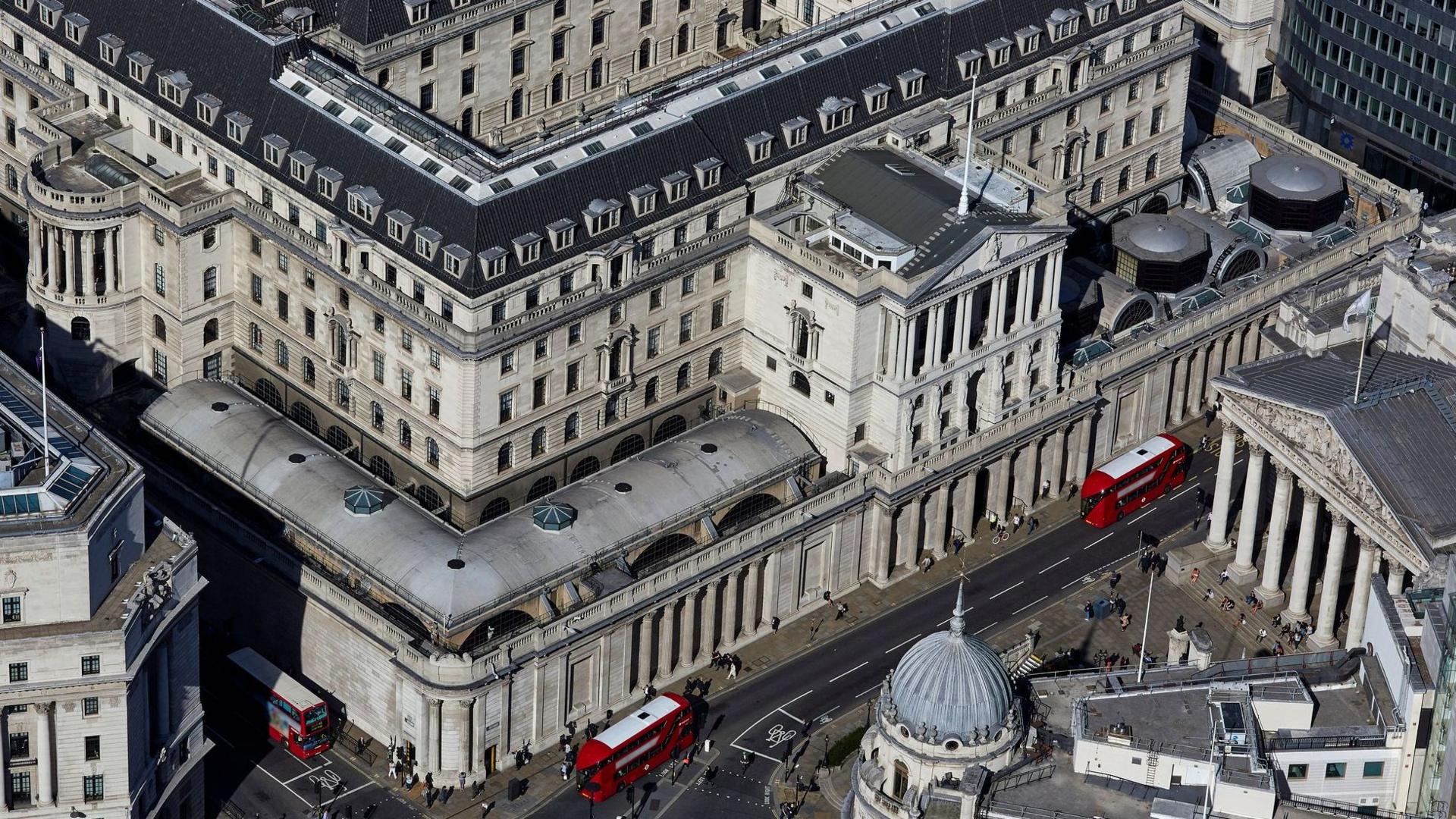
Central banking authorities are under pressure. The Bank of England has held interest rates at 3.75% in its last four meetings, and the U.S. Federal Reserve has signaled a commitment to “no tolerance to persistently elevated inflation.” Policymakers may need to keep rates high for longer, which could impact mortgage holders and borrowers.
If conflict continues, oil prices could stay elevated, potentially blocking any hope for an early recovery in inflation and keeping central banks in a tight stance.