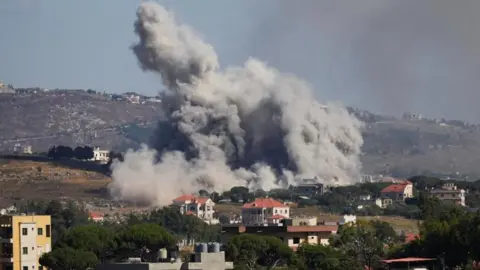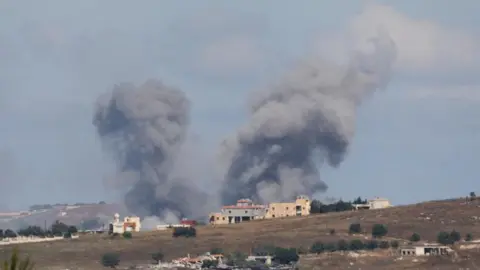
The Houthis held their fire for the first four weeks of the war, despite their affiliation with and backing from Iran.
Now, the group, which controls the Yemeni capital, Sanaa, has made its first major military move, firing missiles towards Israel.
Claiming they are targeting sensitive Israeli military sites, the Houthis' missile threats come after a period of inactivity in this regard.
While their capabilities pose a lower risk to Israel compared to Iran, their actions support Hamas amidst ongoing conflict in Gaza.
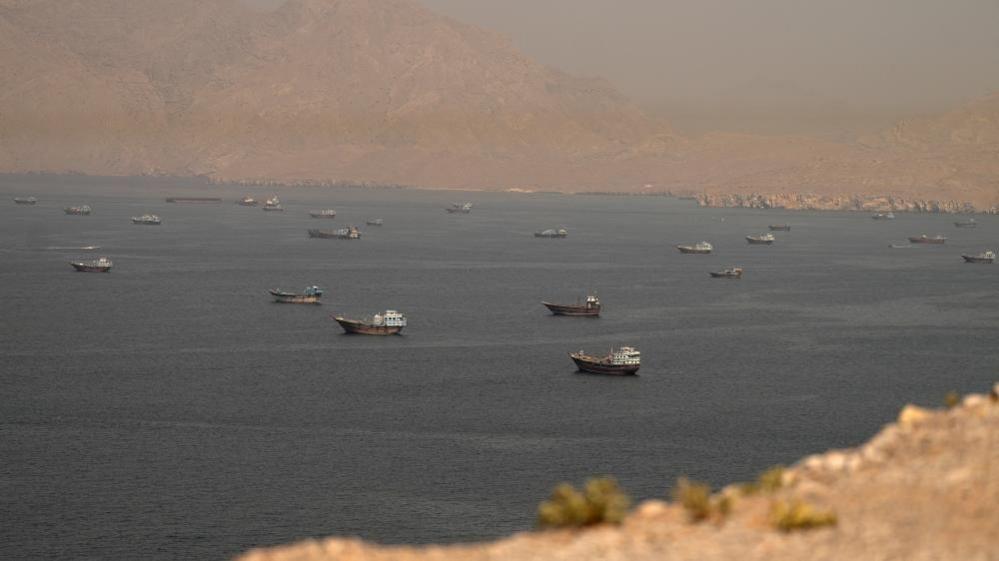
The Houthis have targeted shipments through the Bab al-Mandab Strait, a critical maritime route at the southern end of the Red Sea. This endangers global trade, and if restored hostilities persist, it could severely damage the already fragile global economy.
Coupled with Iran’s partial blockade of the Strait of Hormuz, this situation threatens to cut off two vital waterways for global commerce and energy supplies.
The Houthis could also focus on energy and military infrastructures of neighboring Gulf Arab nations, such as Saudi Arabia and the UAE, risking escalated conflicts.
Previous Houthi strikes prompted military responses from the US and Israel, aiming to neutralize their operations. However, the Houthis have shown resilience against these attacks, raising concerns about their potential future aggression.
An increase in their military involvement could lead to renewed conflicts in Yemen and a more extensive war in the region, particularly in light of their recent domestic and regional support for actions against Hamas.
The ongoing situation is precarious, especially if the Houthis choose to deepen their commitments and retaliatory actions on behalf of Iran.