A Growing Threat to Saudi Stability
Since the United States and Israel launched their offensive against Iran on 28 February, Saudi Arabia has largely kept its hands out of the theatre, preferring to maintain a neutral stance on the battlefield. However, the rise in drone attacks and missile strikes from Iranian‑backed proxy groups, especially in Iraq and Yemen, has put Riyadh under continuous pressure to defend its borders and key economic assets.
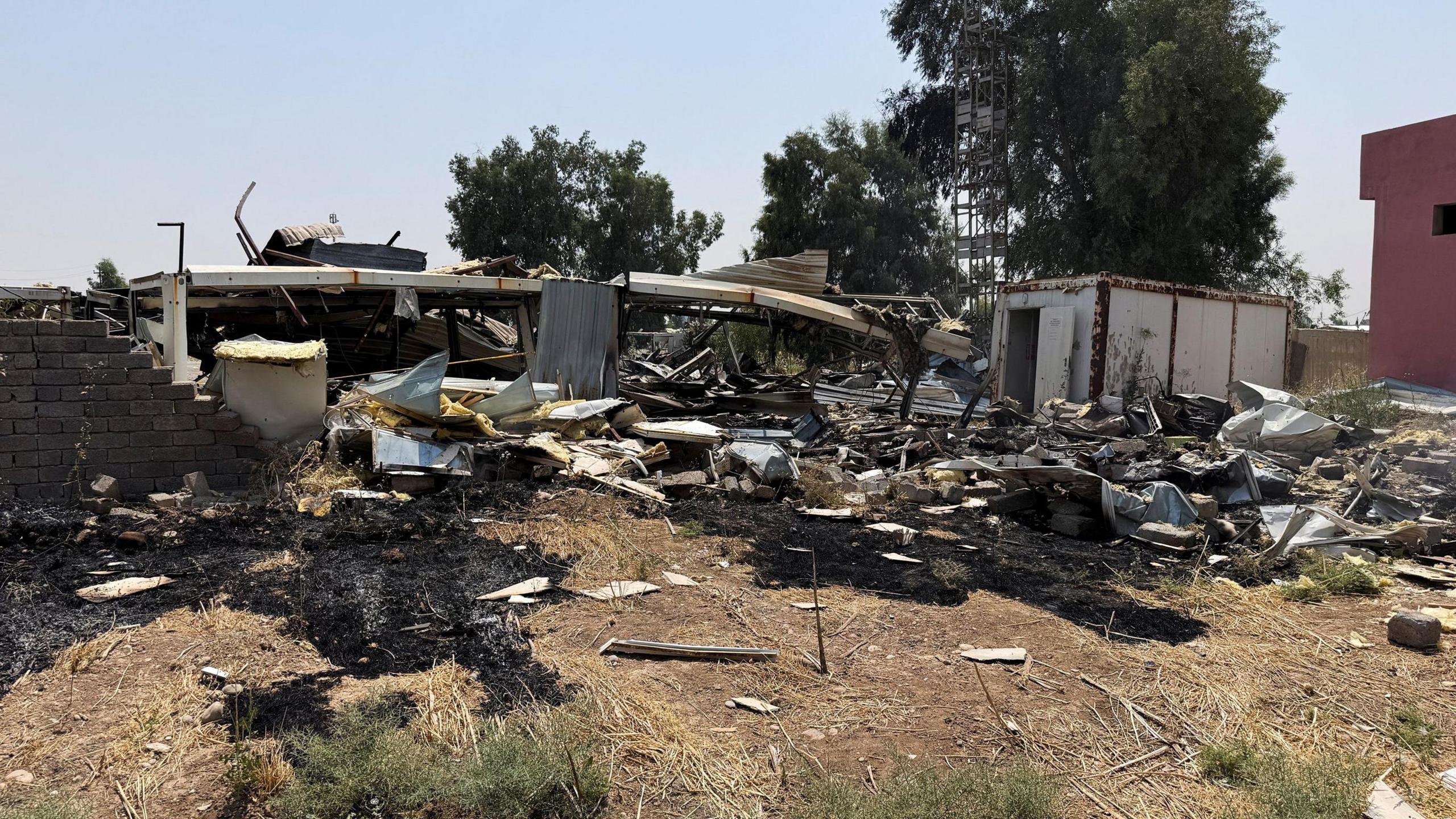
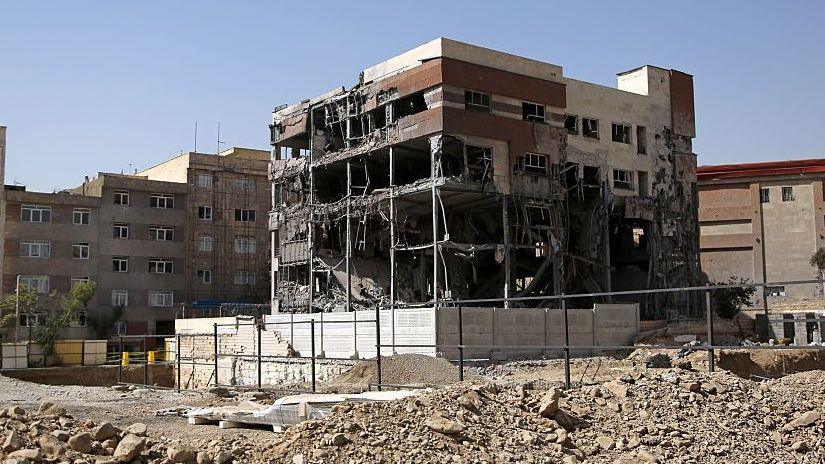
In a recent operation, Saudi and U.S. forces launched joint strikes on sites in Iraq linked to the popular mobilization forces – the same militia blamed for a series of drone attacks on Saudi oil facilities such as Abqaiq and Khurais. These attacks have repeatedly severed a significant portion of the kingdom’s oil exports, underscoring how vulnerable Saudi infrastructure is to hostile actions.
Vision 2030 Meets Real‑World Challenges
Crown Prince Mohammed bin Salman’s Vision 2030 plans aimed at diversifying the economy and reducing oil dependence also have a darker side: increased dependency on advanced data centers and cybersecurity infrastructure that attract hostile cyber‑and‑physical attacks. The failure of long‑term peace talks with Iran, combined with Iranian threats to close the Strait of Hormuz, intensifies the strategic dilemma for Saudi leaders who must protect the kingdom’s strategic interests without marching into a full‑scale war.
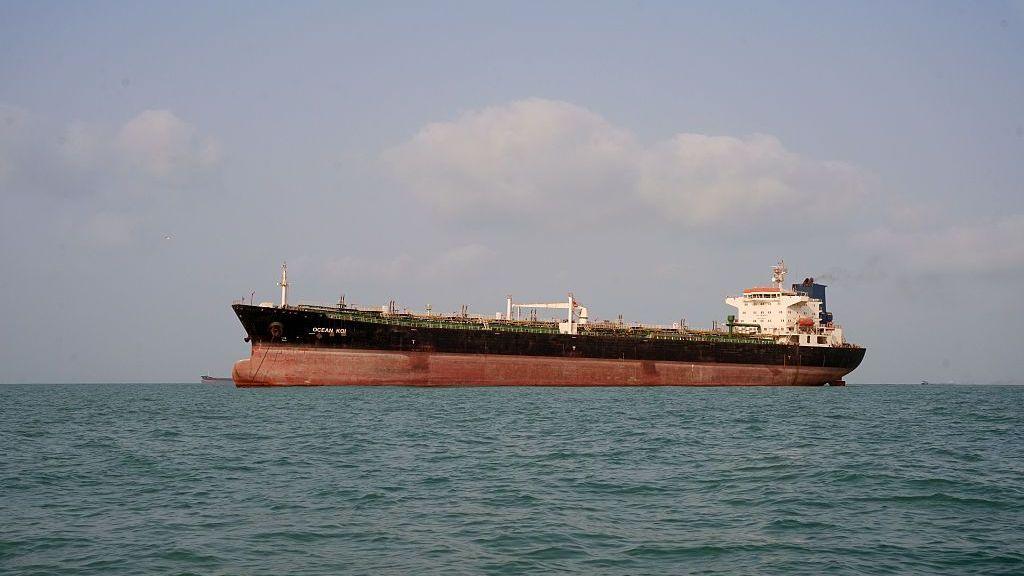
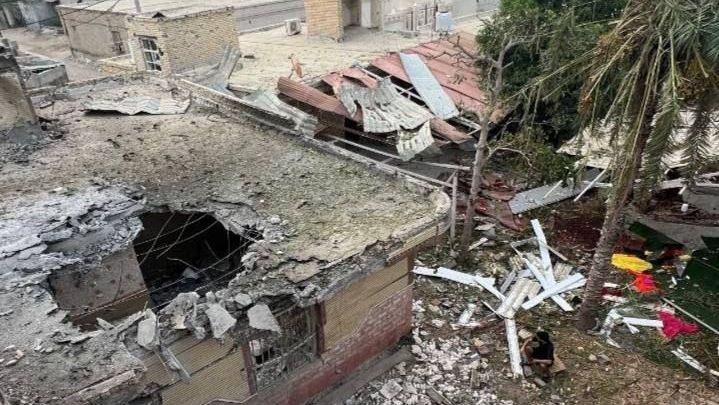
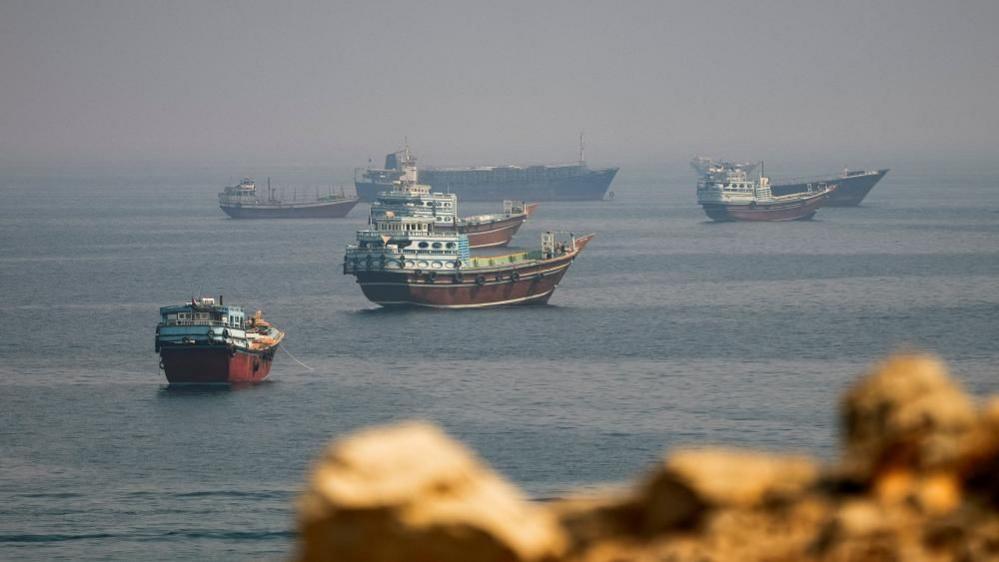
Saudi Arabia has demonstrated a willingness to strike back – striking Saudi airports and, in retaliation, facing attacks from Houthi forces that threaten maritime routes in the Bab El Mandeb strait. The multifaceted security environment demands that Riyadh weigh whether to continue deterrent strikes or to negotiate with its adversaries.
Future Paths for Stability
Saudi officials are now at a pivotal crossroad: they must decide how to respond to immediate threats while keeping the broader peace fragile. A balanced approach could involve increased defensive cooperation with the United States and regional allies, together with strategic investments in critical infrastructure protection. Alternatively, a cautious de‑escalation strategy – potentially involving conditional payments to moderate militant groups – could reduce the likelihood of further escalatory cycles.
The outcome of this dilemma will not only shape the Kingdom’s domestic future but also influence the broader trajectory of Middle East security dynamics. As Riyadh navigates these waters, the world watches how Saudi Arabia blends deterrence, diplomacy, and resilience in an increasingly volatile environment.