Australian journalist
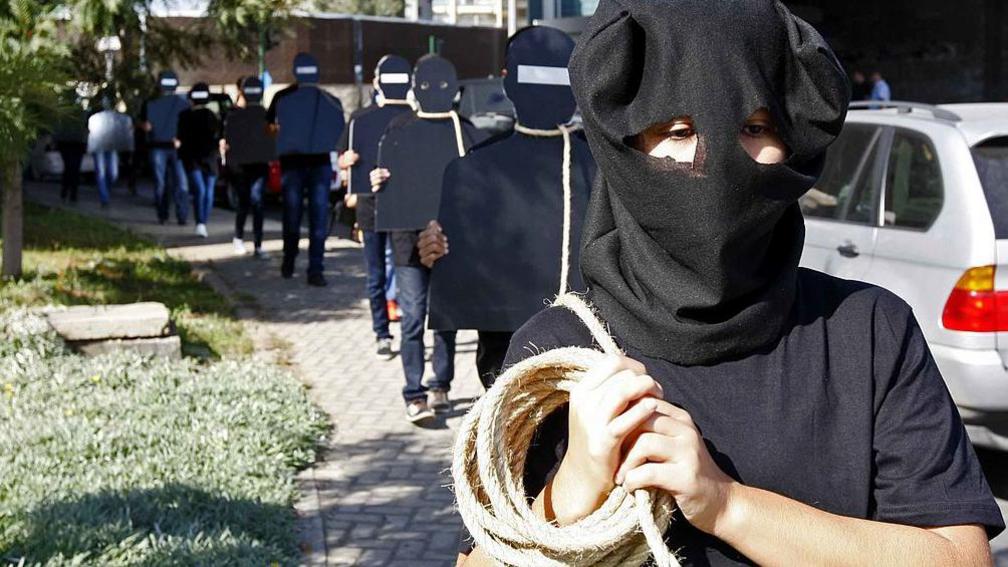
In an effort to bring transparency to the operations of so‑called “torture prisons” in Russia‑occupied Ukraine, a BBC investigation has identified individuals who run or have run the facilities and who are believed to be responsible for the abuse of civilians.
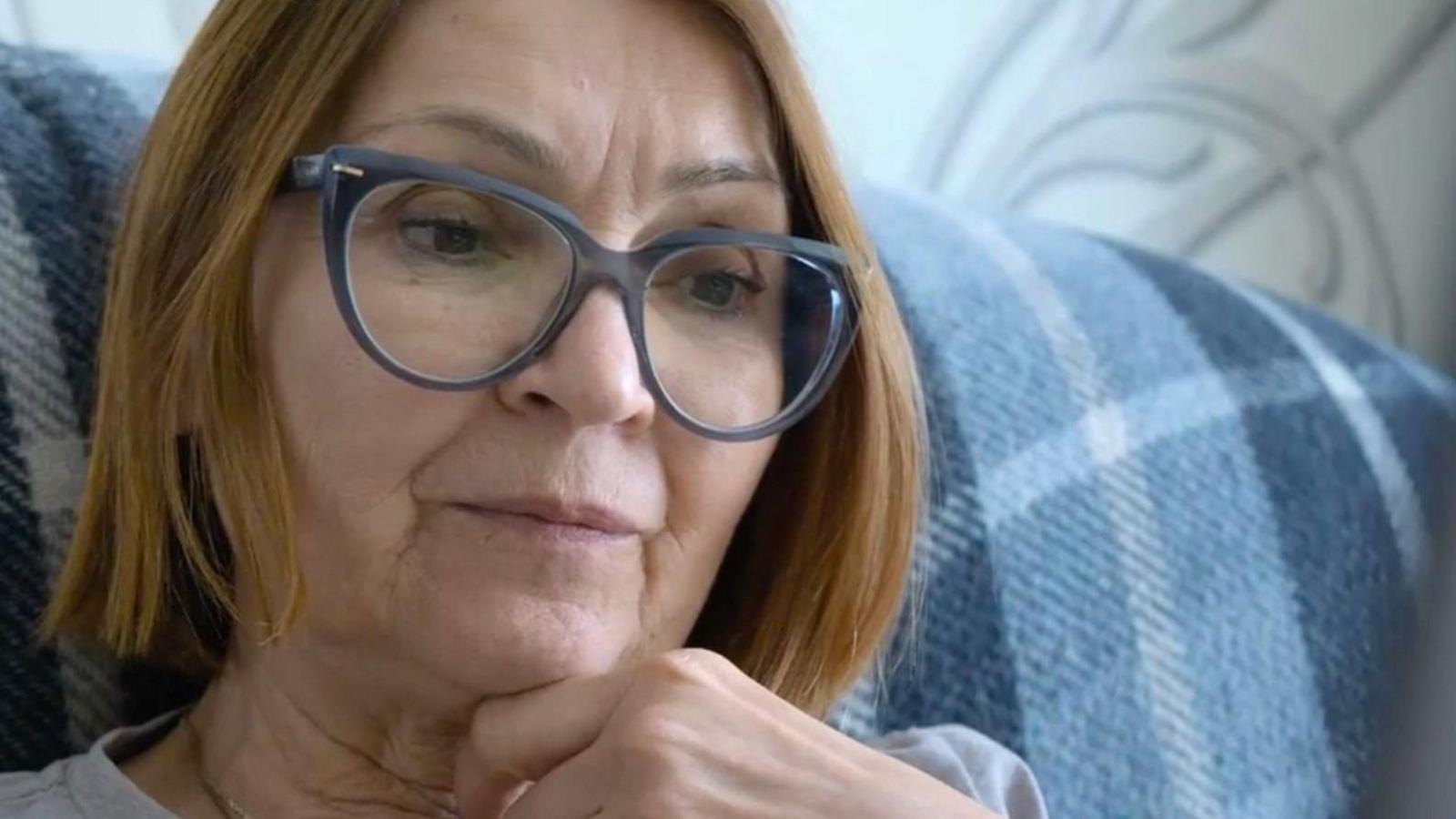
The focus of the story is Liudmyla Huseinova, a 64‑year‑old safety engineer from Novoazovsk, who was seized by armed men in October 2019 and spent 3 years and 13 days in the Izolyatsia detention centre – a former factory housed under the control of local separatist forces. A disturbing testimony from her tells of beatings, electric shock and sexual violence, which she alleges were inflicted by at least three men who were later identified.
One of those men was Yurii Temerbek, a former Ukrainian traffic policeman who moved to the Russian‑backed Donetsk People's Republic. The investigation unrolled the man’s public identity, showing photos of him in a police uniform from 2014, his wife and children in the Rostov region and his current life in south‑western Russia. He is now aged 56, and Ukrainian prosecutors have opened legal proceedings against him for membership in a militant group and for crimes against civilians.
The second suspect was Ruslan Yeriomichev, known in the prison as “Yermak”. He was identified in the BBC work through the online posts of a Bellingcat‑led investigative journalism team. His social media shows a 46‑year‑old man in a traffic police jacket in 2020, and recent pictures posted in 2024 show him still living near occupied territory. Ukrainian prosecutors charge him with the cruelty and harassment of prisoners.
The third figure is Andrey Spivak, who served as the head of the Kherson detention site. He is a former policeman from Omsk, now 40 years old, and is documented as a taxi driver in Russia. The BBC report found him in a photo from 2014, his hobby in fishing and travel, and the fact that he is still active in an area of disputed evidence review.
The investigation was carried out in collaboration with Ukrainian investigators Bohdan Kosokhatko and Vladyslav Chyryk, who specialise in open‑source intelligence, and with the Ukrainian organisation Truth Hounds, which specialized in casualty data collection. They accessed a range of sources – interviews from Ukrainian refugees, social media accounts, official documents filed by the Ukrainian prosecutor’s office, and leaked videos from inside the facilities.
When the investigators sent a request for comments, the men did not reply. In a statement, the Russian Embassy in the UK said that Russia "consistently advocates respect for international law and the rule of law" and that allegations of crimes in Ukraine are understood to be documented and investigated. The gap between statements and accountability remains, as the Ukrainian prosecutor’s office notes that only a handful of cases have led to convictions in absentia, and that the facilities still remain operational per official statements.
For Liudmyla the search is personal – she is now living in Kyiv, where she runs an organisation that supports other women who have been detained, and she works to deliver parcels to families still in detention via a secret network. She says that for her justice is not revenge, but rather the formal acknowledgment of crime and the punishment of the perpetrators by law. Her narrative illustrates the individual toll, while the investigative work places those responsible in an identifiable light that may influence future legal proceedings.
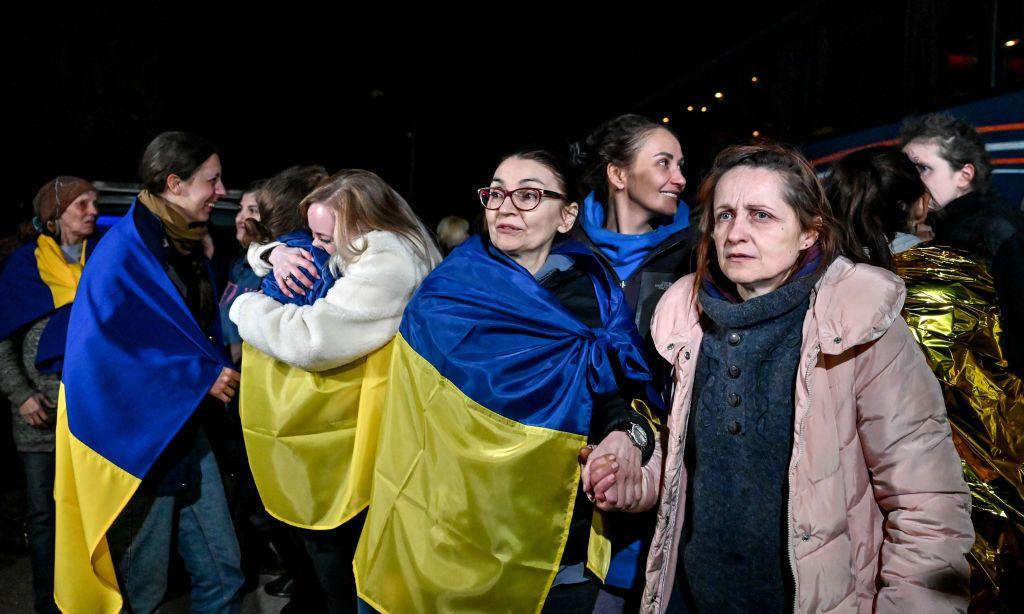
Below is a gallery image from the original BBC release which shows Liudmyla in the aftermath of her release and the emotional moment she shared with her friends.