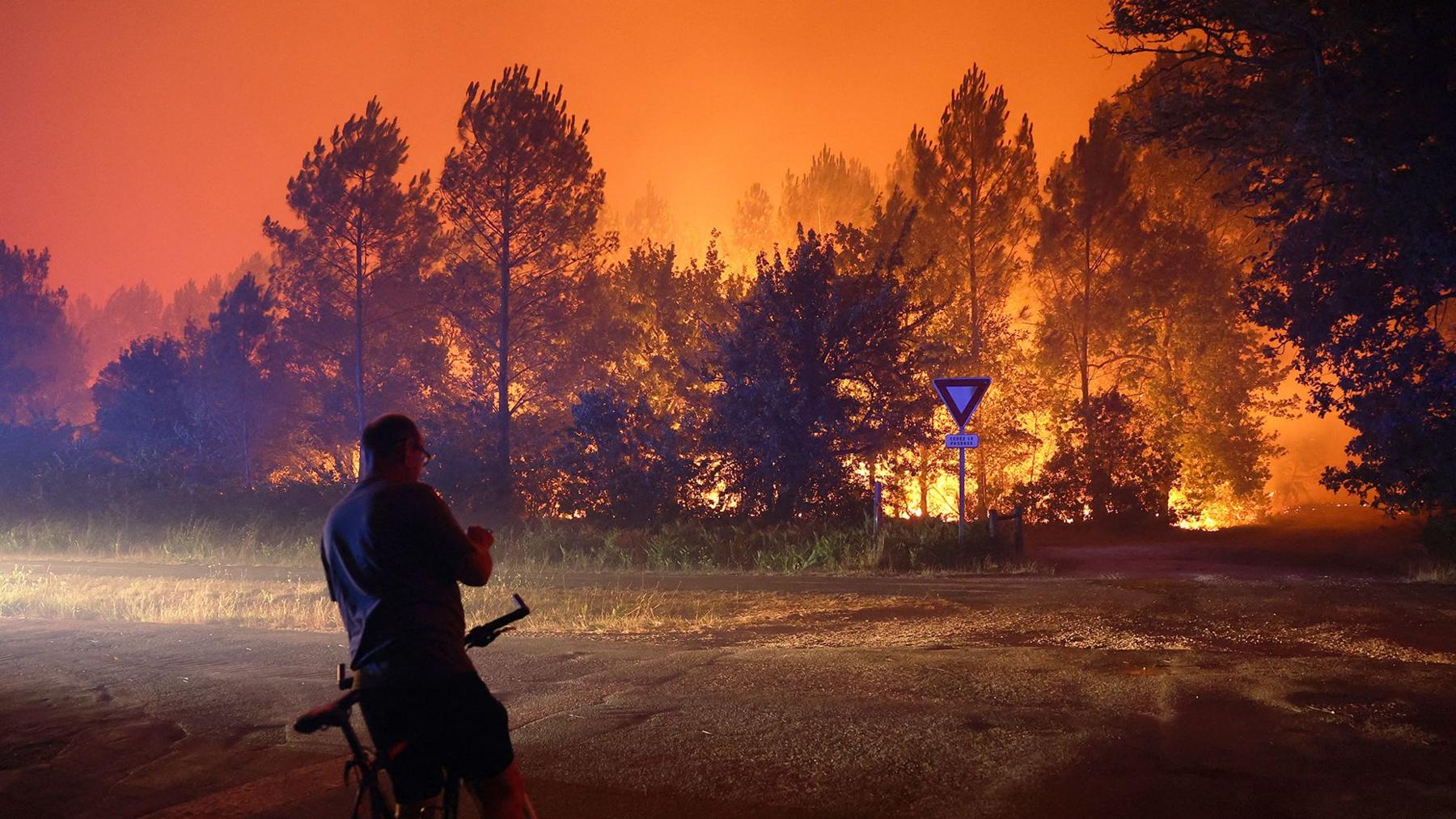
Around 12,000 People Evacuated in France Fires
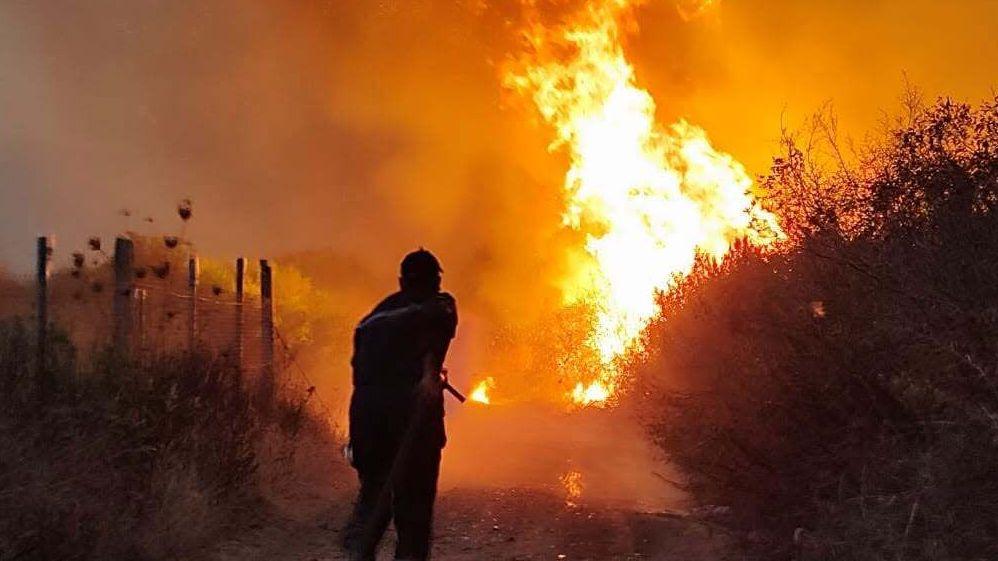
More than 12,000 people have been evacuated from the southwest of France as the country battles ongoing wildfires, days after two firefighters died near Bordeaux airport.
The Gironde regional government reported that over 2,000 hectares (about 4,000 acres) of land have been destroyed. Internal combustion and electric engines are banned in heavily forested areas, and several roads remain closed.
No injuries were reported on Thursday, though the evacuation numbers included a substantial group of tourists. French authorities have placed the area under a red alert, shutting down leisure sites in exposed forest zones.
Meanwhile in Italy, authorities paid tribute to firefighter Alessandro Marchi, who died fighting a wildfire in San Cataldo. President Renato Schifani wished a “speedy recovery” to the survivor of the same operation, and Interior Minister Matteo Piantedosi described Marchi as having died “in service to the community.”
The Sicilian Civil Protection reported over 350 fires on the island, including ten major ones, which led to precautionary evacuations. Fire managers noted the human causes of these fires, underscoring the growing social and public‑order challenges.
France’s Interior Minister Laurent Nuñez posted photos from a tribute event held for the two firefighters, expressing “immense emotion” and “infinite gratitude” towards their families.
European heatwaves have put multiple countries under strain. Madrid’s residents were largely told they could return home, though one area in Villa del Prado remained off limits. Spanish authorities deployed 90 personnel and a helicopter against a nearby blaze.
European weather service AEMET forecast temperatures up to 36 °C on Thursday afternoon, warning of an extreme risk of fires. The Copernicus Climate Change Service’s April report found that at least 95 % of Europe experienced above‑average annual temperatures in 2025, designating the continent as the fastest‑warming.
The region’s wildfires, combined with the heatwave, have resulted in record‑high burned areas and fire emissions, signalling the pressing need for coordinated disaster response and climate adaptation strategies.