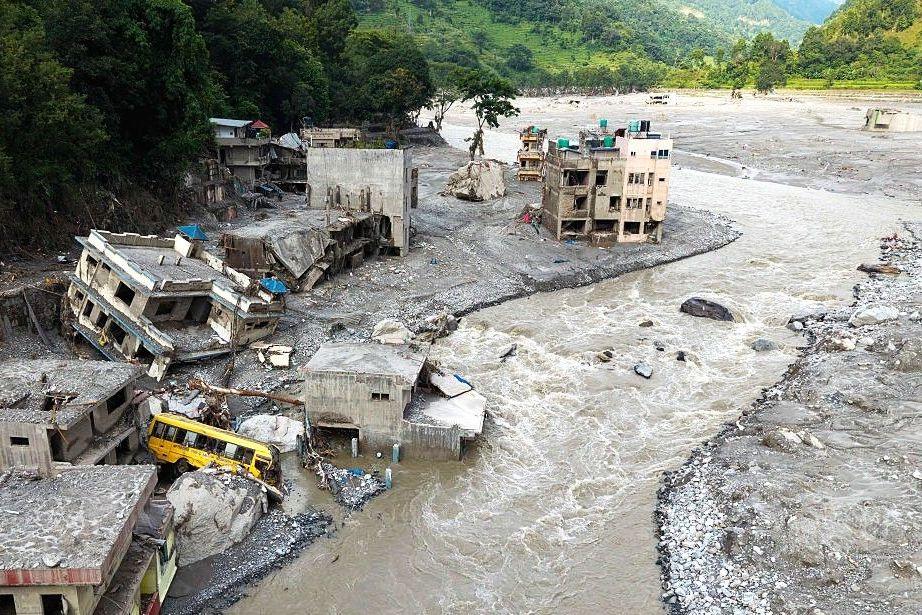
The impact of China’s latest typhoon reaches beyond damage to buildings and lives, spilling into the digital arena where artificial‑intelligence clips spread panic and confusion.
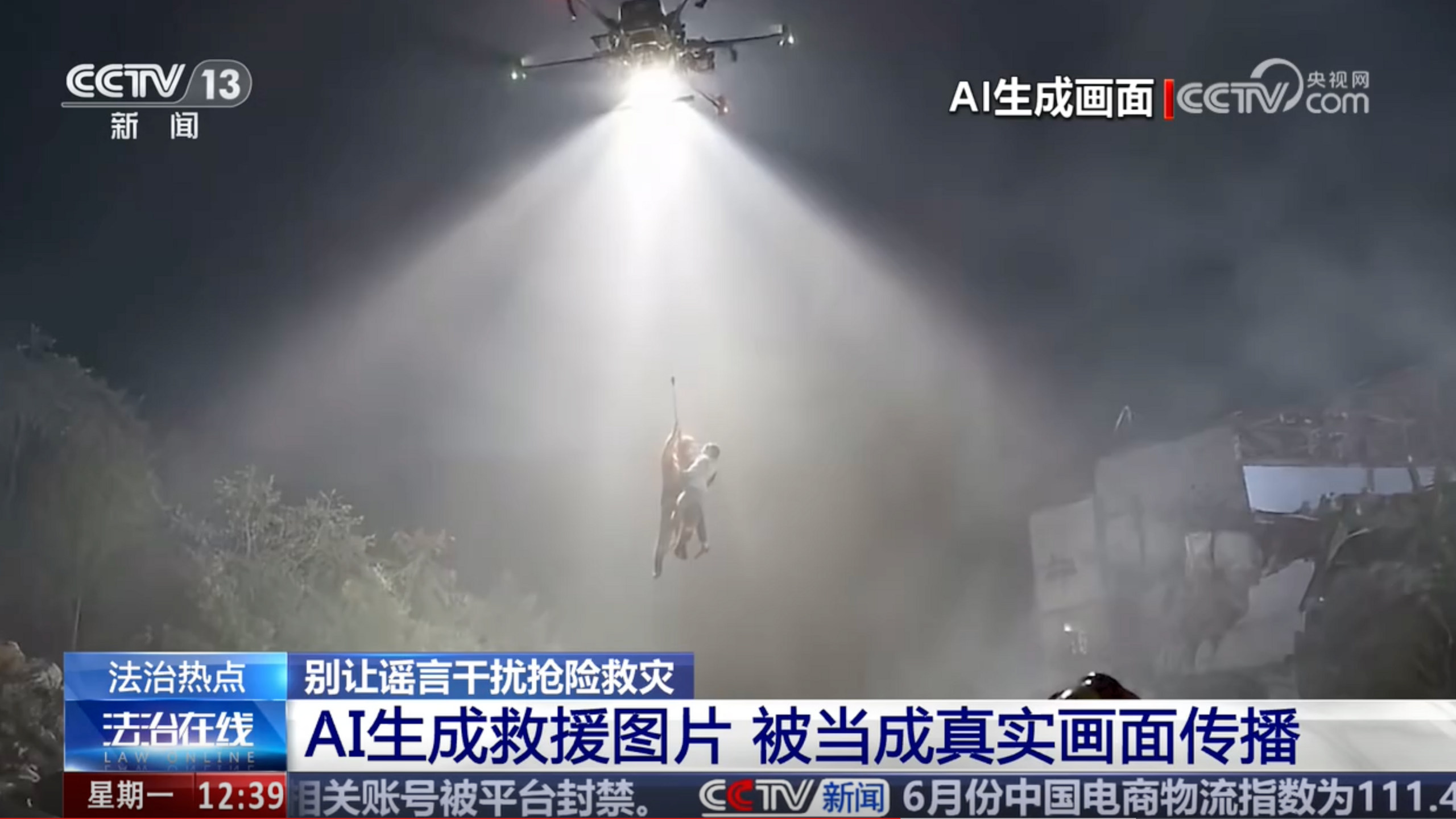
During the week that the storm hit, posters on platforms such as WeChat and TikTok circulated videos that claimed to show drowned people, yet no credible footage existed. Other clips painted false pictures of flooding in cities that had no water damage, while some fabricated reports claimed that rescue teams prioritized animals over people.
Experts say AI makes creation of such content almost effortless. A single prompt can produce images, audio and video that look realistic, but are completely fabricated. The technology’s power to spin new narratives has outpaced current detection tools.
In response, the Cyberspace Administration announced a nationwide operation to remove false disaster content. Police said they would prosecute creators with fines or up to seven years’ imprisonment when misinformation leads to real‑life harm.
Yet the problem remains: public trust in official reporting has already eroded after past incidents where authorities downplayed casualties or sowed doubt. The surge of fake footage exacerbates that distrust and can trigger costly panic buying or dangerous actions.
A mixture of education, transparent source‑verification and stricter platform oversight is being urged by scholars. They argue that governments must pre‑emptively establish trusted information channels and reassure citizens that verified alerts are available before misinformation can take hold.
The situation serves as a warning that in the digital age, natural disasters can overlap with rapid misinformation campaigns that outpace regulatory responses. As AI tools become more accessible, ensuring accurate information in crisis times will become increasingly crucial for safety and governance.