German airport probe
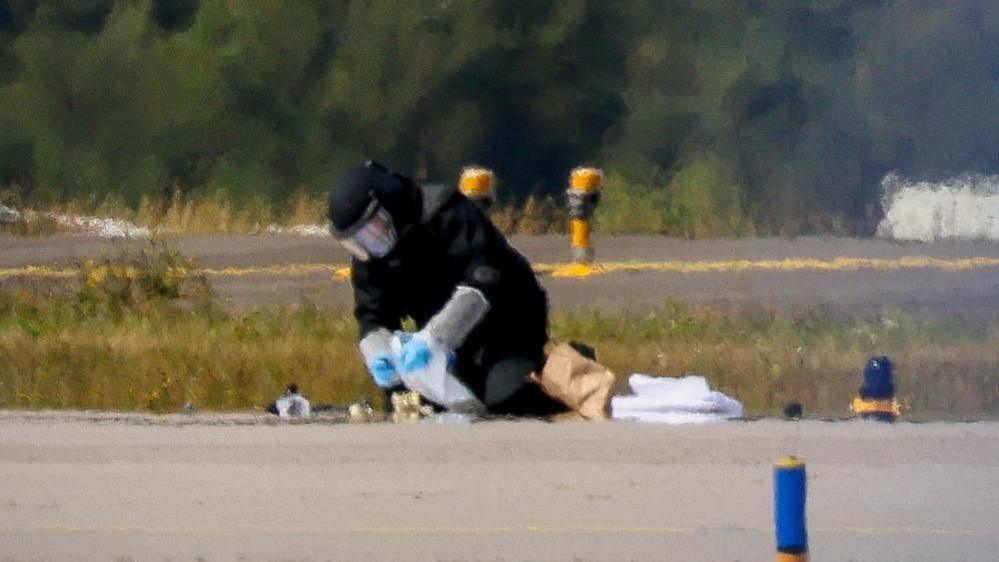
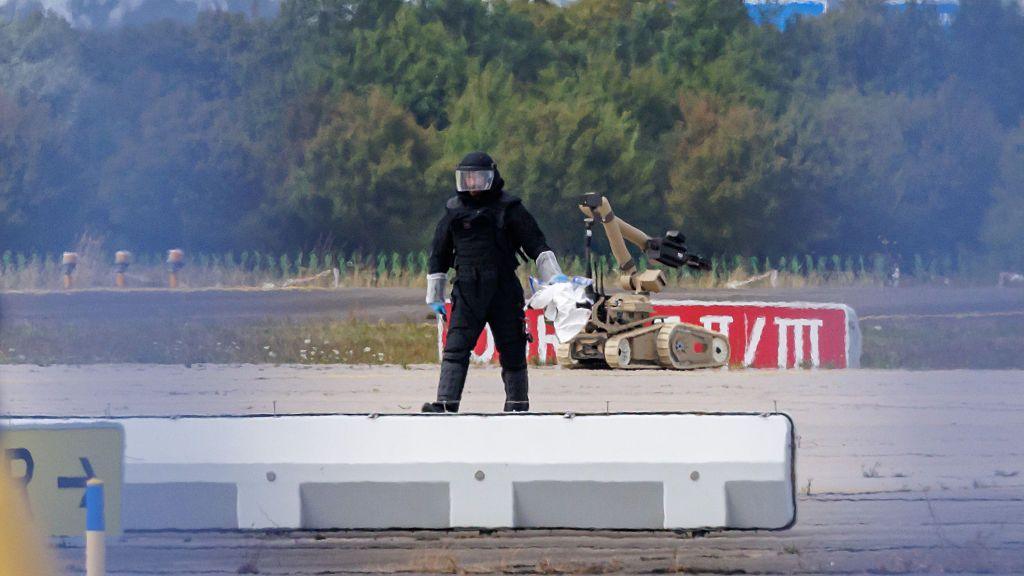
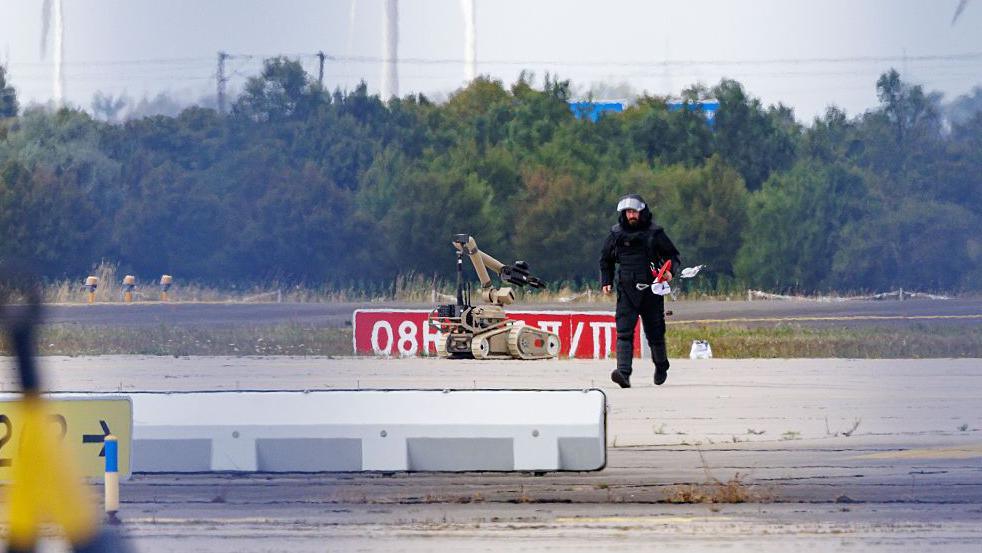
Police at Leipzig/Halle Airport discovered a quadcopter with explosive materials on the tarmac late Tuesday night. The device was removed by a bomb‑disposal robot, and one runway was temporarily closed while investigators assessed the threat.
Potential Russian link
The Interior Minister warned of a “new level of danger” and raised the possibility that foreign powers could be involved. While no hard evidence has yet tied the drone to Russia, experts note that Moscow has a history of deploying drones for sabotage near European infrastructure.
Echoes of a 2024 plot
In 2024 a package containing a sophisticated incendiary device was set ablaze at the DHL hub in Leipzig before it was loaded onto a plane. Similar packages burned in the UK and Poland. A group of men who are now on trial in Lithuania and Poland are alleged to have transported explosives hidden in food cartons, headphones and other innocuous goods.
Suspect testimony
Ukrainian suspect Vladyslav D. recounted travelling across Europe carrying drone props and hands‑free audio gear, allegedly paid in cryptocurrency. He admitted carrying items to a German hostel in Düsseldorf, but the intended targets remain unclear.
Expert analysis
Explosives specialist Professor Jackie Akhavan of Cranfield University suggested that the drone’s payload could have been Semtex containing RDX, sufficient to damage aircraft but likely masking a warning rather than causing mass casualties.
Analyst Andrei Soldatov highlighted that such acts fit a broader pattern of Russian sabotage from arson to drone strikes, aimed at sowing fear and deterring NATO aid to Ukraine.
International reaction
A NATO spokesperson confirmed that the incident is under investigation, while Antonov Airlines, a supplier of aircraft for certain NATO missions, has expressed caution. Ukrainian officials said they ruled out the possibility that Ukrainian planes were targeted.
John Lough of the New Eurasian Strategies Centre called the act “Russian interference” and warned of a likely increase in hybrid attacks in the future.
The investigation is ongoing, with German authorities, NATO and commercial airlines on alert to address potential security gaps and to prevent further undetected threats.