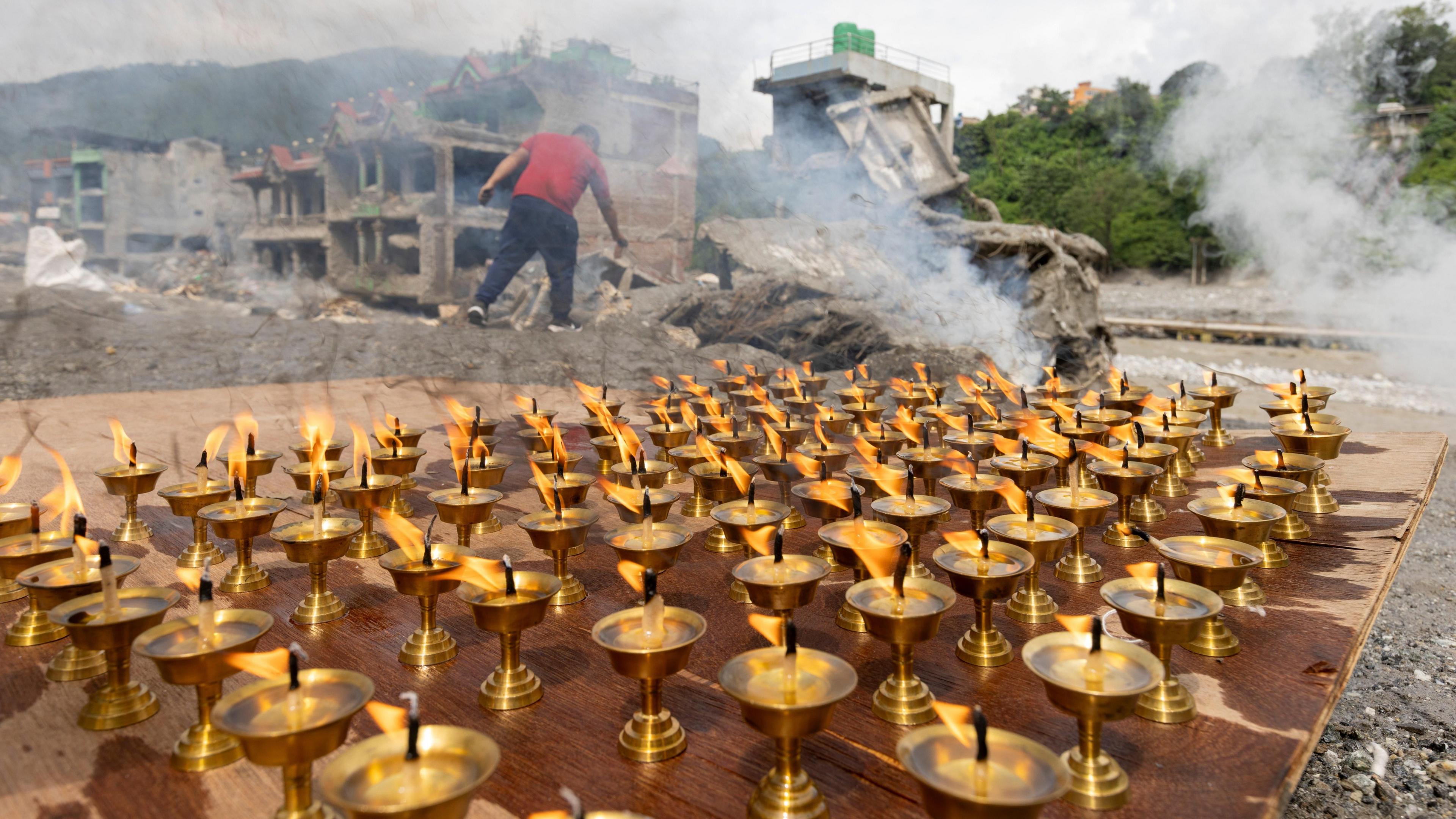
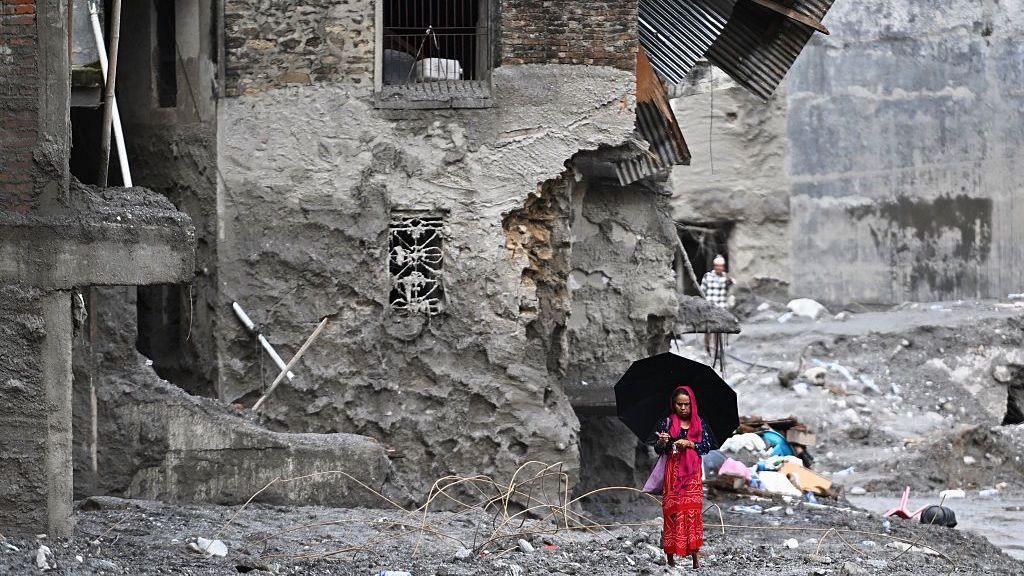
On Monday, 7 September, Nepal observed a national day of mourning to honour the victims of a devastating flash flood that killed at least 1,287 people and left more than 5,000 missing. Flags were lowered to half‑mast across the country, and candlelit vigils were planned for the evening, marking the last day of a 13‑day traditional mourning period.
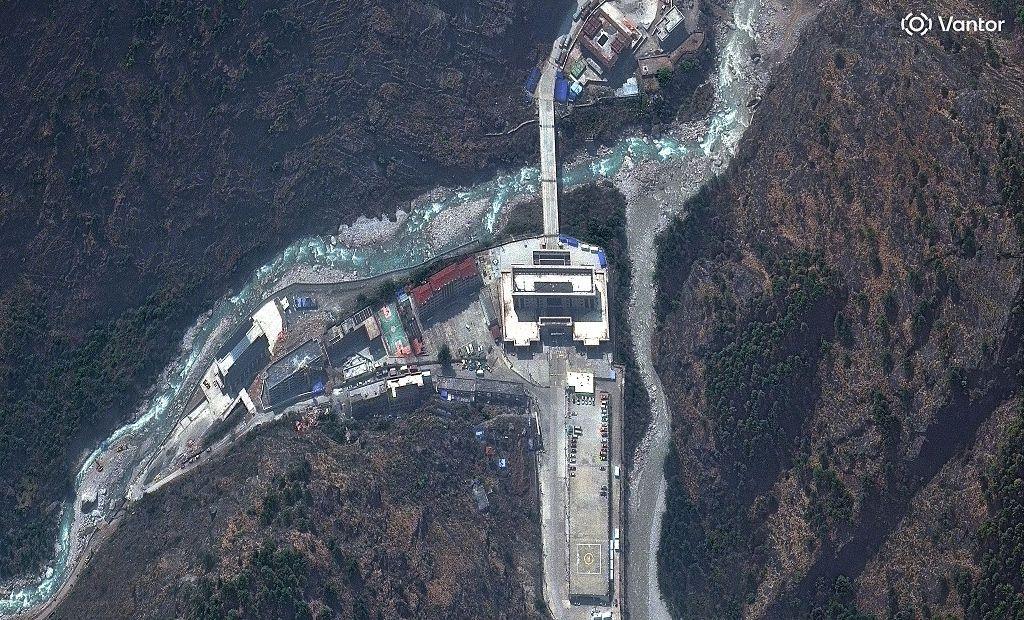
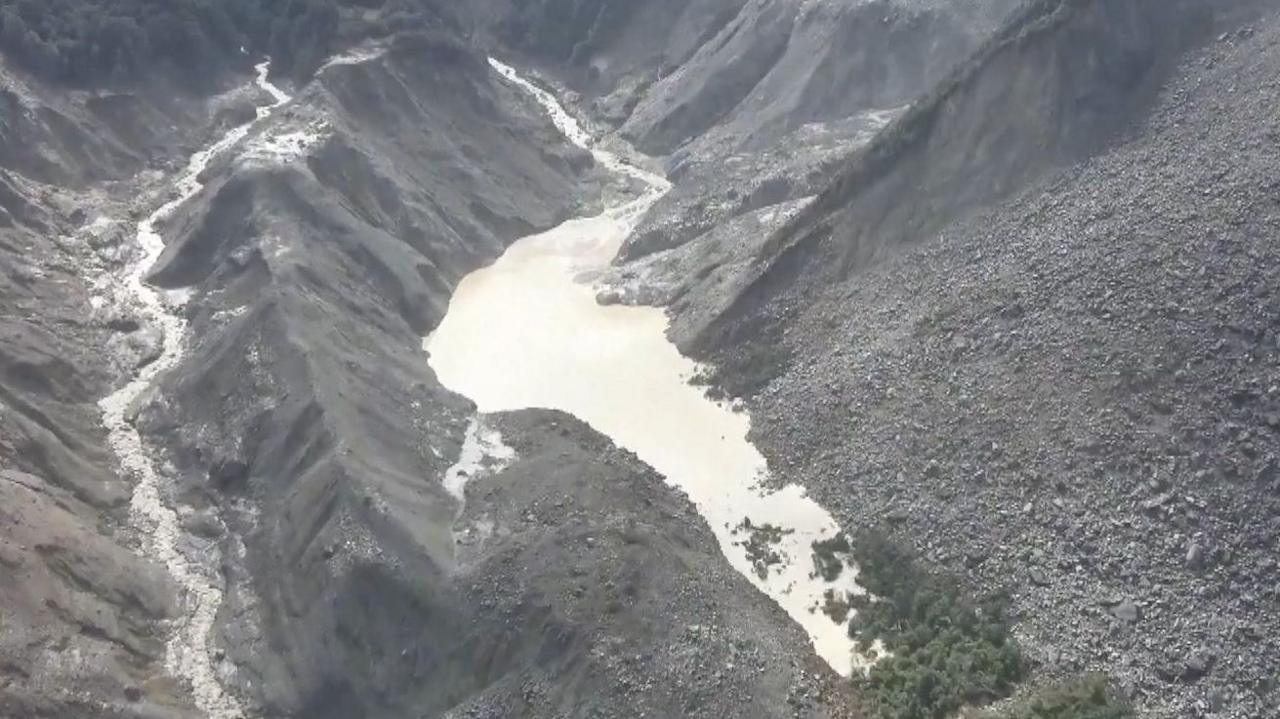
The flood, believed to have been triggered by a glacial collapse, swept through villages in a Himalayan valley along the border between Nepal and Tibet. Rescue teams are still searching for survivors, while the government has chosen not to launch a formal relief programme at this stage.
President Ram Chandra Paudel visited the devastated areas, and the home ministry announced that all government offices and overseas missions would fly the national flag at half‑mast to observe the mourning period.
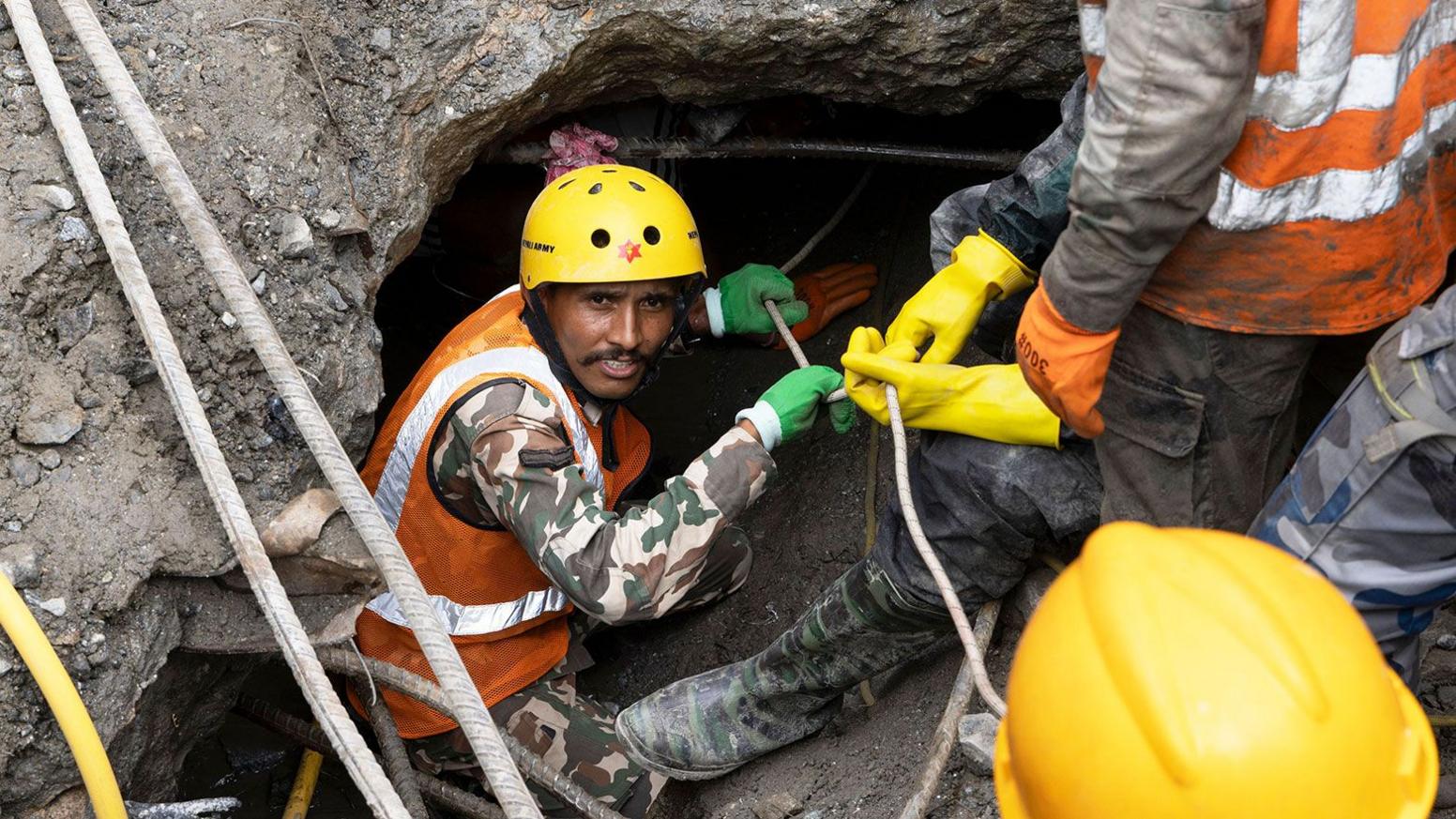
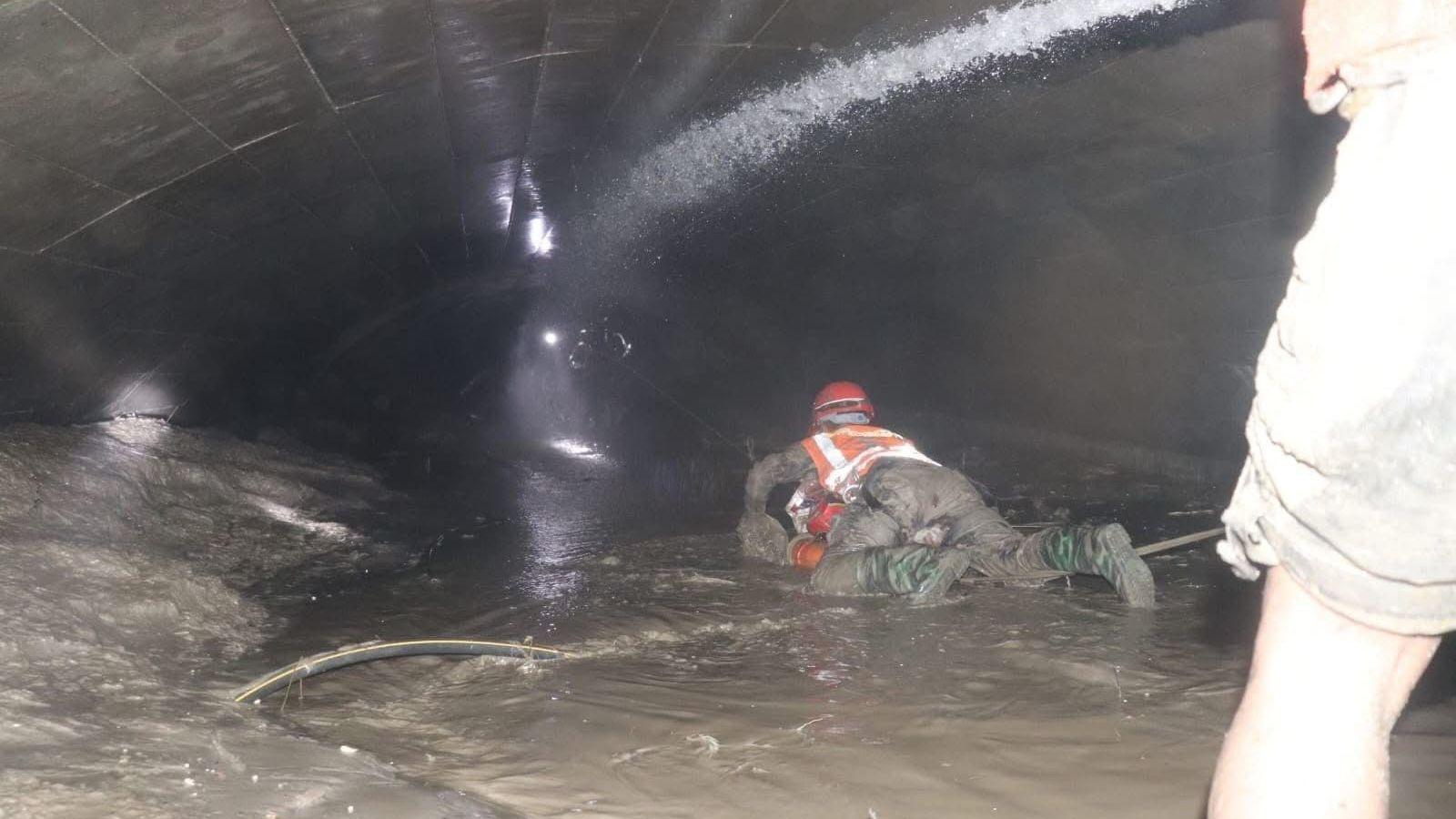
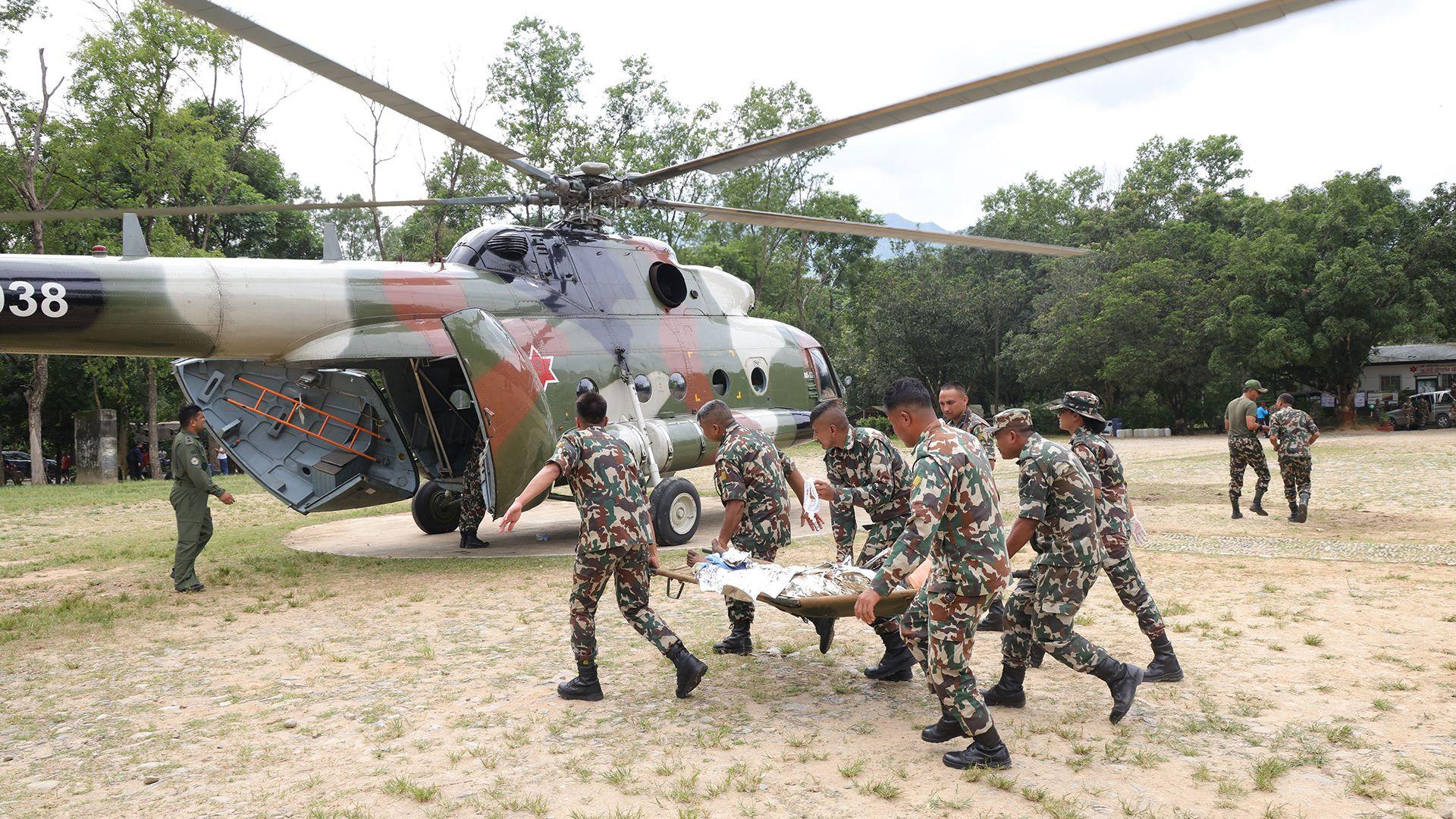
Army spokesperson Raja Ram Basnet reported ongoing search and rescue operations across ground, air and tunnel levels, with particular focus on hydropower station tunnels that may still house trapped workers. Australian expert Arnold Dix highlighted the complexity and danger of simultaneous rescue efforts.
Notably, a 64‑year‑old Nepali woman was rescued from a mud‑buried house ten days after the flood, and four people have recently been salvaged from hydropower tunnels. To date, 5,083 people remain missing in Nepal, while on the Chinese side 31 deaths and 531 missing have been reported.