Transgender debate intensifies in the WNBA as eligibility rules are scrutinised
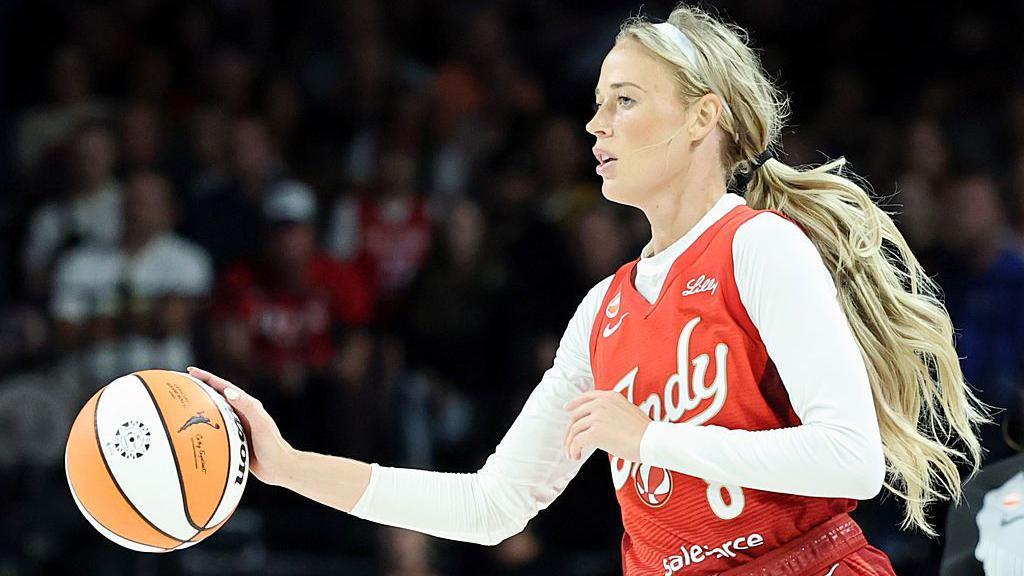
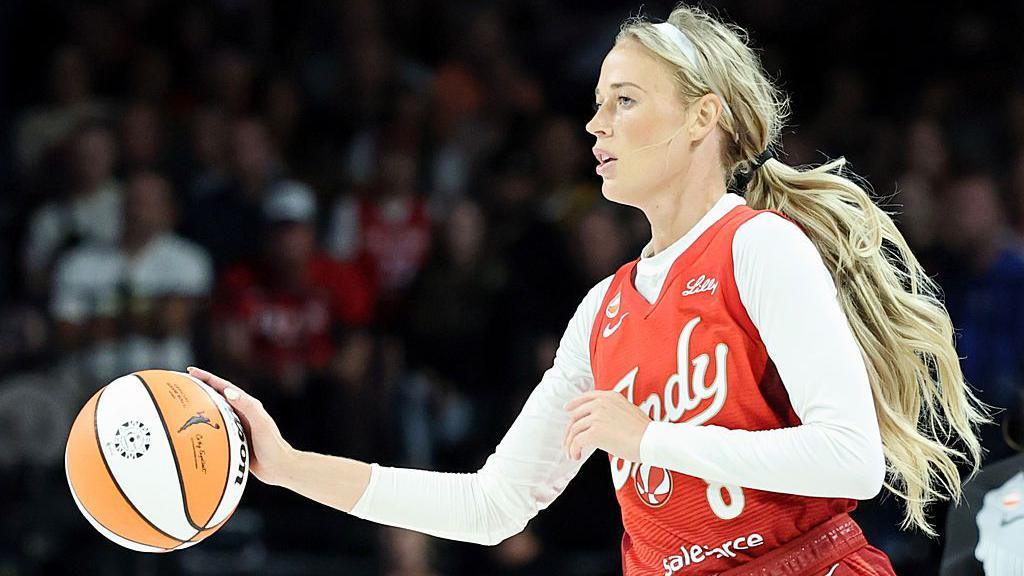
The 2026 WNBA season has been punctuated by a controversy that has already captured national attention. Former NBA star Enes Kanter Freedom announced his intention to declare for the WNBA draft, citing the league’s ambiguous eligibility policy for transgender women. His statement followed remarks by Indiana Fever guard Sophie Cunningham, who urged the protection of “young girls … who shouldn’t have to go against biological men.”
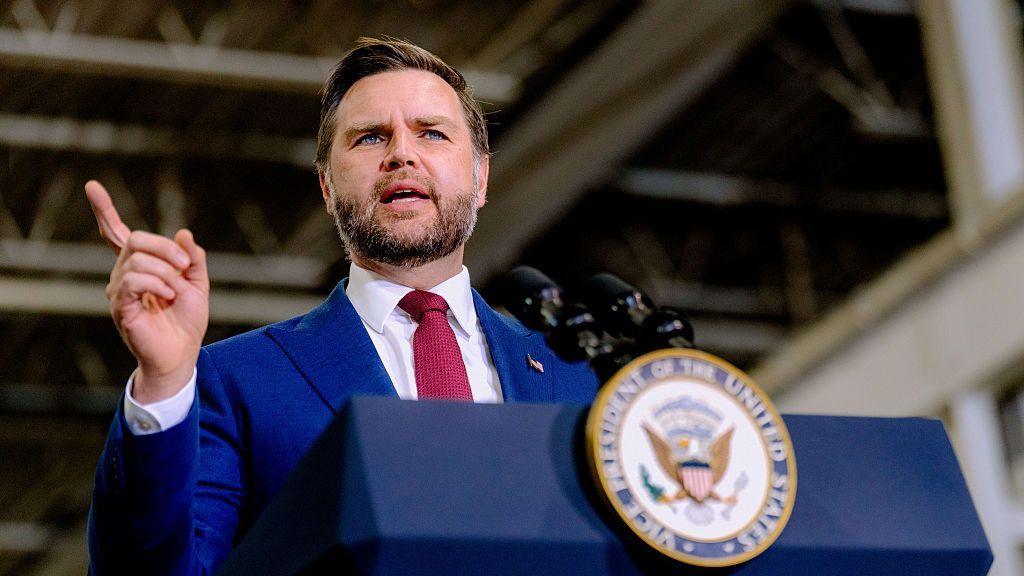
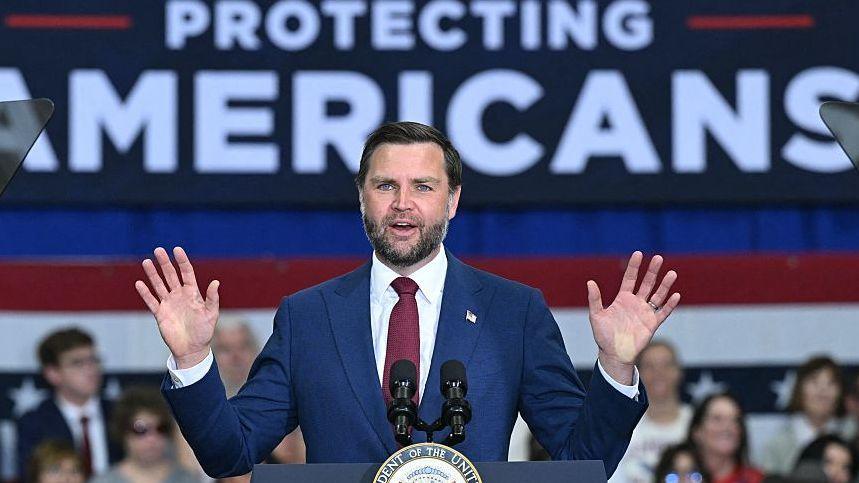
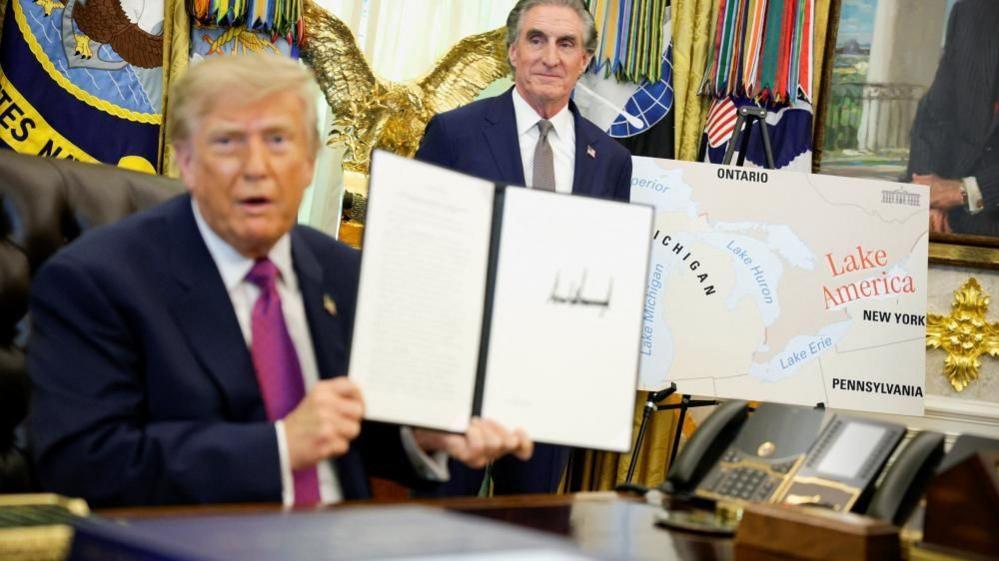
Cunningham’s comments sparked a wave of political engagement, with President Trump and Vice‑President Jeffrey L. Vance publicly endorsing her position. The WNBPA, meanwhile, released a statement condemning “hate abuse” and reaffirming its commitment to equity and inclusion while urging fans to report harassment.
League officials remain in dialogue. Commissioner Cathy Engelbert sent a memo to team presidents, noting that the collective bargaining agreement (CBA) states, “Only players who are women are eligible to play in the WNBA.” While no outright ban on transgender athletes exists, the CBA’s wording has been described as “collectively bargained” and “subject to interpretation.”
Other professional sports have tightened rules in recent years. Athletics, cycling, and aquatics now prohibit transgender women from competing in women’s events, and the International Olympic Committee plans to confine Olympic women’s categories to biological females by 2028. In the United States, a 2023 executive order titled “Keeping Men Out of Women’s Sports” restricts school and university competitions, though it does not cover professional leagues.
While some players, such as Gabby Williams, expressed openness to teammates who are transgender, incidents of protest and political rhetoric have permeated the league’s culture. The WNBA’s sensitivity to activism contrasts with the broader sports realm where inclusion policies are being revisited.
The debate is ongoing, and as the WNBA’s leadership deliberates over a definitive stance, the league remains at the intersection of sport, policy, and societal values. Whether the WNBA will enact clearer criteria or continue to rely on the current CBA language remains to be seen. Until then, the conversation continues to shape the future of women's professional basketball and its alignment with global standards of fairness and inclusion.