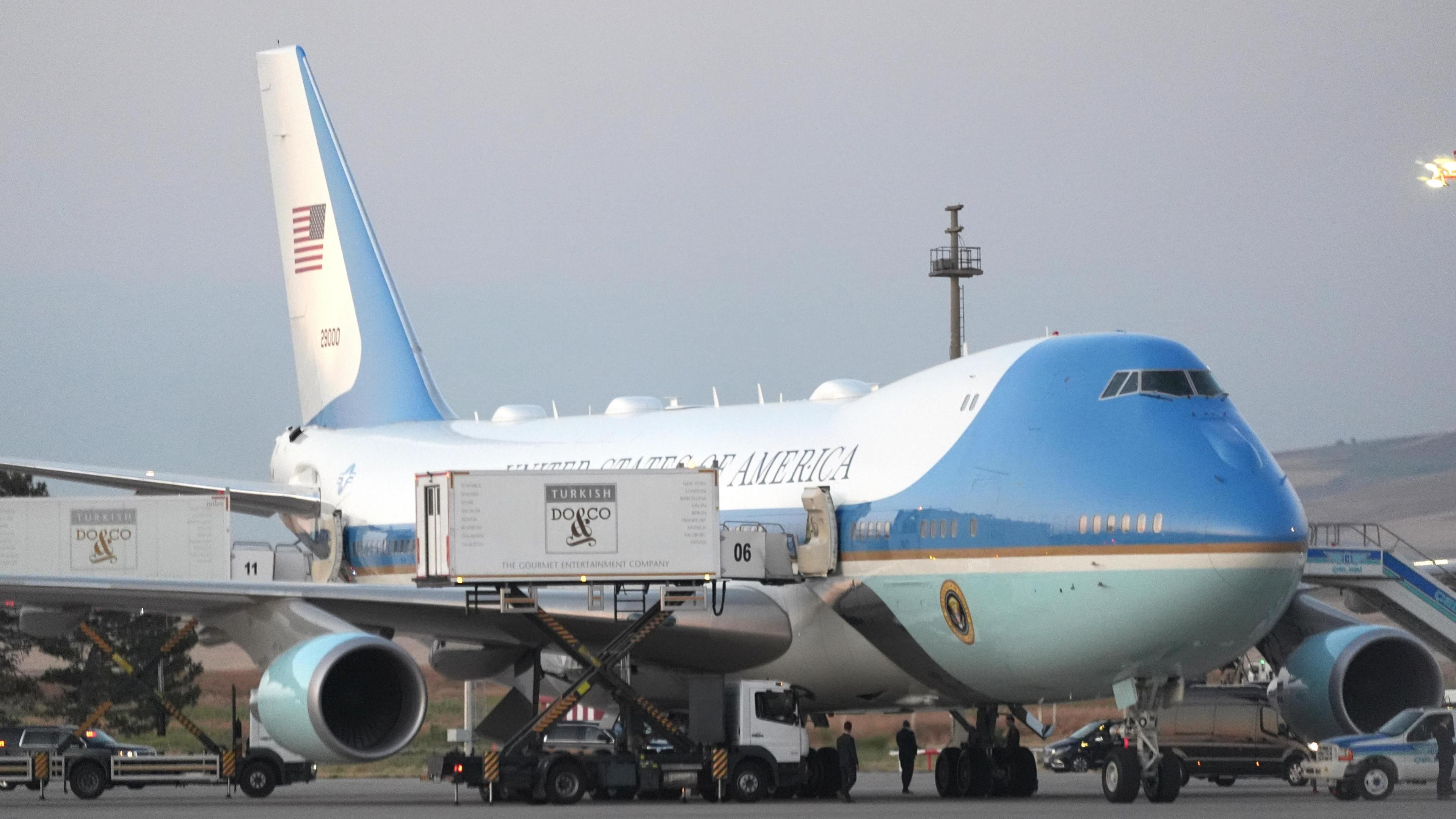
On 8 July 2026, Donald Trump quietly exited a fighter jet that had taken the call sign Air Force One and boarded a different aircraft on a flight out of Turkey. The original plane, with the President’s head of state designation, carried several cabinet officials, including Secretary of State Marco Rubio and Treasury Secretary Scott Bessent, while a catering truck made the covert transfer.
The move was reportedly prompted by security concerns about the volatile situation in Iran. By leaving the cabinet on the decoy aircraft, the administration preserved the presidential succession order: Vice‑president J.D. Vance, Speaker of the House, President Pro Tempore of the Senate, Secretary of State, and Treasury Secretary. Analysts argue that such protocols are critical for continuity of governance, yet they also highlight the opacity that can fuel speculation.
From a political perspective, Republican supporters point to the necessity of protecting the leader, while Democrats question whether the secrecy undermines public accountability. International observers note that Turkish security protocols were exercised to facilitate the transfer, and the incident underscores the delicate dance between U.S. executive power and host‑nation sovereignty in a climate of regional tension. Global media coverage has varied, with some outlets calling the operation a textbook case of presidential safety and others critiquing the lack of transparency.
Ultimately, the event has highlighted the procedural realities of modern presidential logistics and the political weight carried by decisions regarding security, succession, and public perception. As the U.S. and international community reflect on the episode, it serves as a reminder that executive travel remains an intricate blend of confidentiality and constitutional safeguards.