German Politician Jens Spahn Resigns Over Surrogacy Controversy
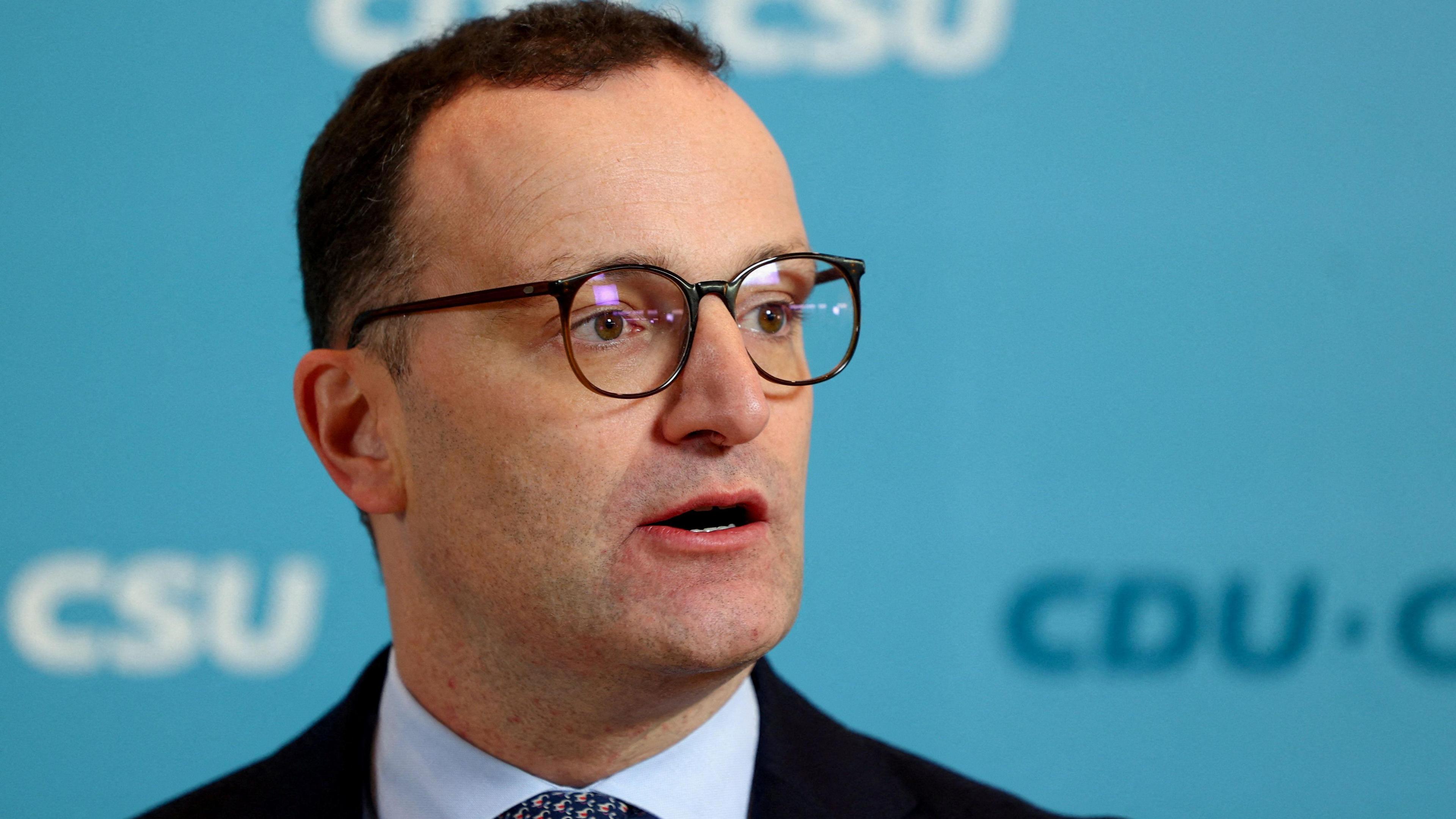
Jens Spahn, a senior figure in Germany’s ruling coalition and former health minister, announced his resignation from the parliamentary group leadership role following accusations that his use of a surrogate mother abroad contradicted his party’s stance on the practice.
Surrogacy is illegal in Germany, a position backed by the Christian‑Democratic Union (CDU), yet many couples seek surrogacy arrangements overseas to have children. Spahn’s disclosure that he and his husband, Daniel Funke, had recently become parents using a surrogate in the United States drew swift condemnation from political rivals, including his own party.
In a statement, Spahn explained that “my personal happiness—founding a family together with my husband and becoming a father—is not compatible with my political office.” He cited the growing pressure from public discourse and the responsibilities of his leadership role as reasons for his decision to step down.
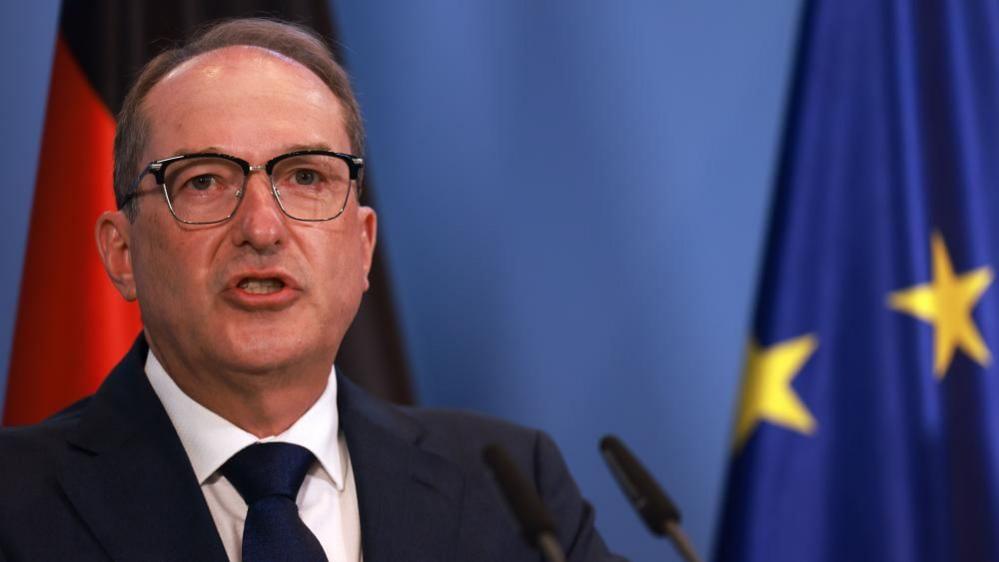
Chancellor Friedrich Merz praised Spahn’s choice, describing it as “right” and “inevitable.” He emphasized that credibility is essential in politics and announced the selection of a replacement leader, noting that Alexander Hoffmann, head of the Christian Social Union parliamentary group, would temporarily assume Spahn’s duties.
This resignation highlights challenges for the CDU, particularly as the party faces declining poll numbers and upcoming elections that could amplify regional political shifts. Analysts warn that the incident may benefit fringe parties such as the Alternative for Germany (AfD) in eastern states.
European nations continue to grapple with surrogacy regulations. France’s top court recently affirmed the legal recognition of children born to surrogate mothers abroad, while Italy banned foreign surrogacy for its citizens. These developments underscore divergent policy frameworks across the EU.