Houthis Kill Four Crew Members in Red Sea Shipping Attack
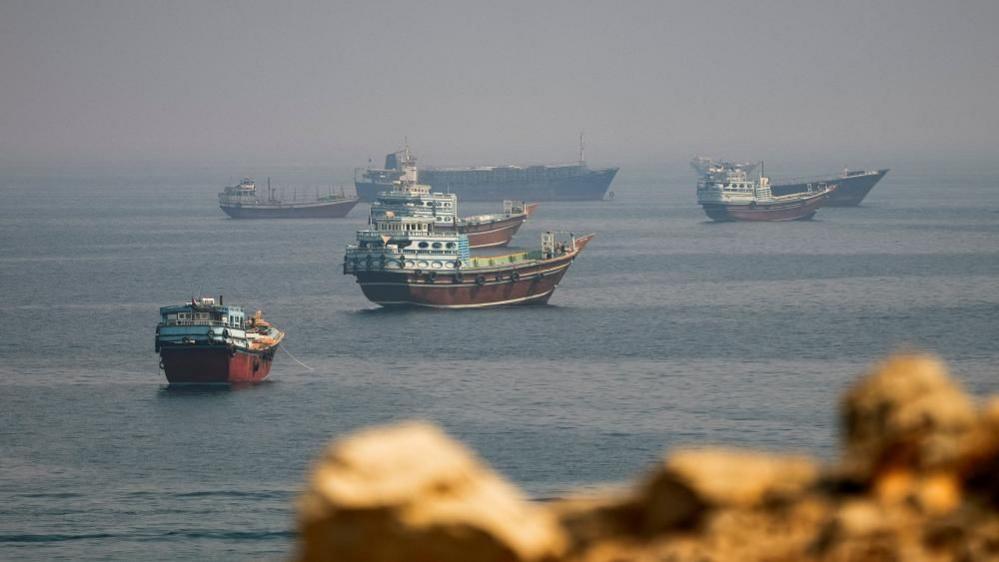
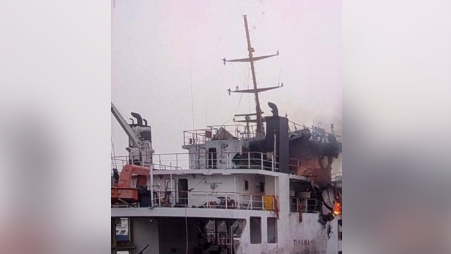
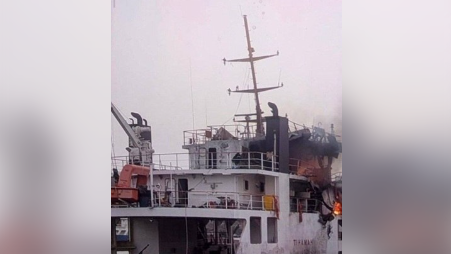
Four sailors died when the Yemen‑based, Iran‑backed Houthi movement struck a small cargo vessel in the Red Sea, the government of Yemen said. The ship, named Tihamah, was hit with three ballistic missiles south of the port city of Mocha, sparking a fire that engulfed the vessel and killed three Pakistani nationals and an Indonesian.
If confirmed, this would mark the first fatal strike on a ship by the Houthis since the US and Israel launched a full‑scale assault on Iran in early 2025. While the group has not publicly claimed responsibility, its recent naval blockade of Saudi ports and additional assaults on Saudi tankers in the Red Sea have signalled a broader escalation.
The conflict in the region, which began in early February, has been punctuated by cease‑fire attempts that failed to yield lasting peace. The wider backdrop includes Iran’s closure of the Strait of Hormuz, a waterway through which a fifth of the world’s oil and liquefied natural gas transits—a move that adds urgency to the maritime security crisis.
On a strategic level, Yemen’s internationally recognised government—operating out of Aden, as the capital Sana’a remains under Houthi control—maintains that the Tihamah, flagged by Tanzania and owned by an Egyptian operator, was a civilian commercial ship. The Yemeni transport ministry notes that the vessel was loaded with food supplies, adding a humanitarian dimension to the tragic incident.
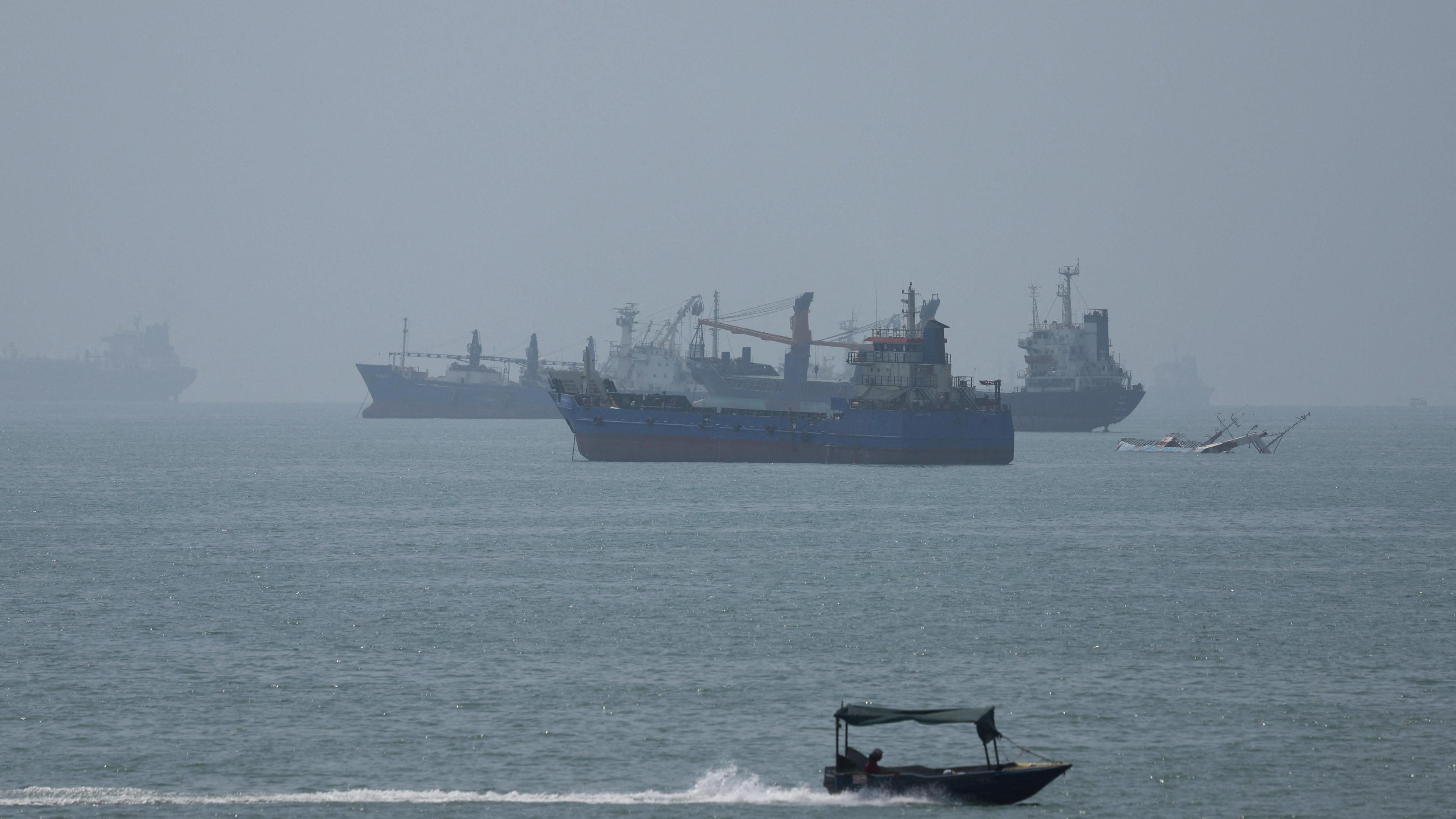
Maritime risk‑management firm Vanguard reported that its navy was dispatched to support the ship, only to encounter hostile fire, leaving three crew members wounded. The footage of the vessel, verified by BBC’s own image‑verification team, shows a severely damaged hull and rising smoke, confirming the severity of the attack.
Additional coverage indicates that the Houthi movement’s naval activities correspond with broader regional tensions, including attacks on Saudi oil infrastructure and the ongoing pursuit of maritime dominance in the Bab al‑Mandab Strait.
Additional reporting by Ghoncheh Habibiazad.