Oil Prices Surge Above $100 a Barrel as Middle East Tensions Escalate
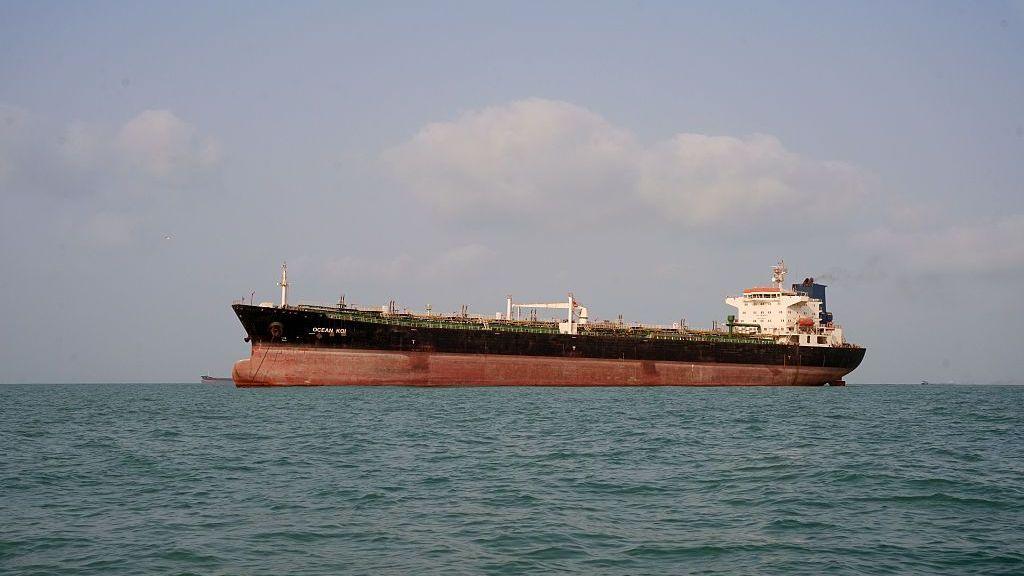
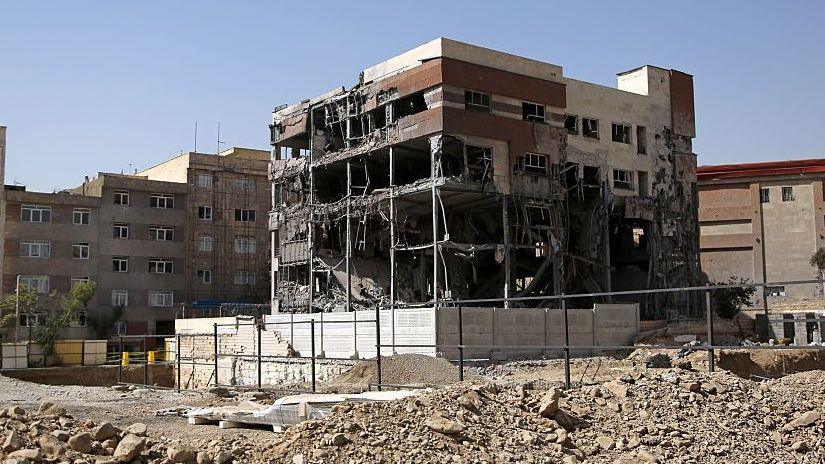
Brent crude rose more than 6 % on Thursday, breaking the $100 a barrel barrier for the first time since May. The jump follows a brief cooling of prices during a temporary ceasefire, after which U.S. military strikes on Iranian targets and a Houthi militia attack on Red Sea tankers reignited market risk.
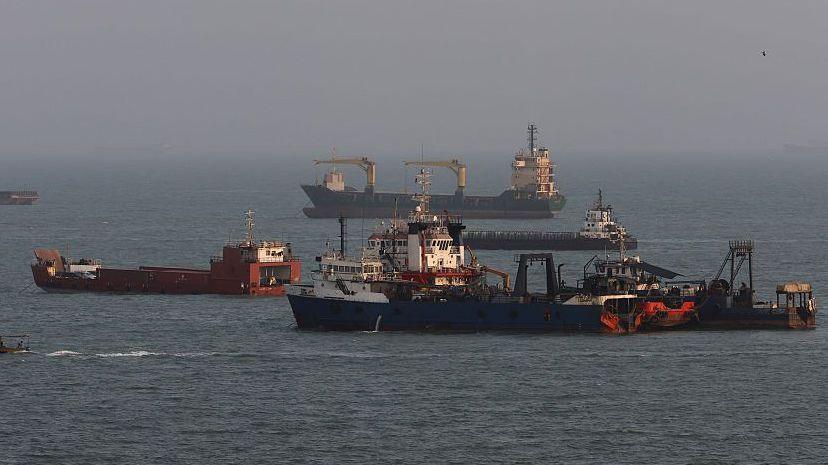
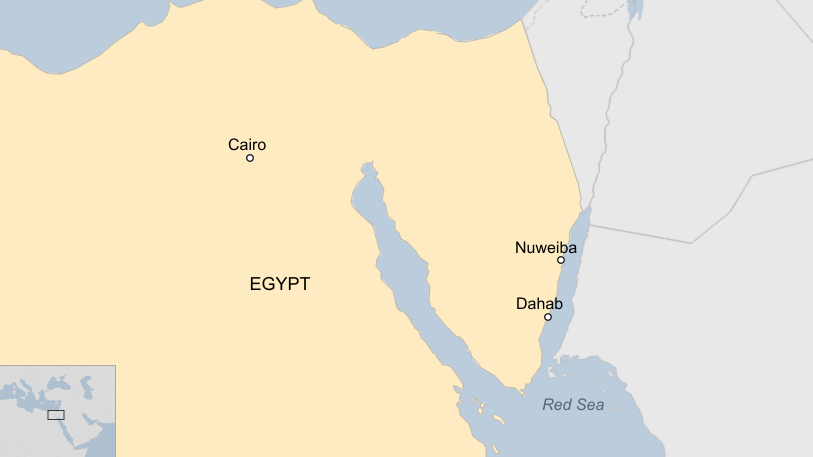
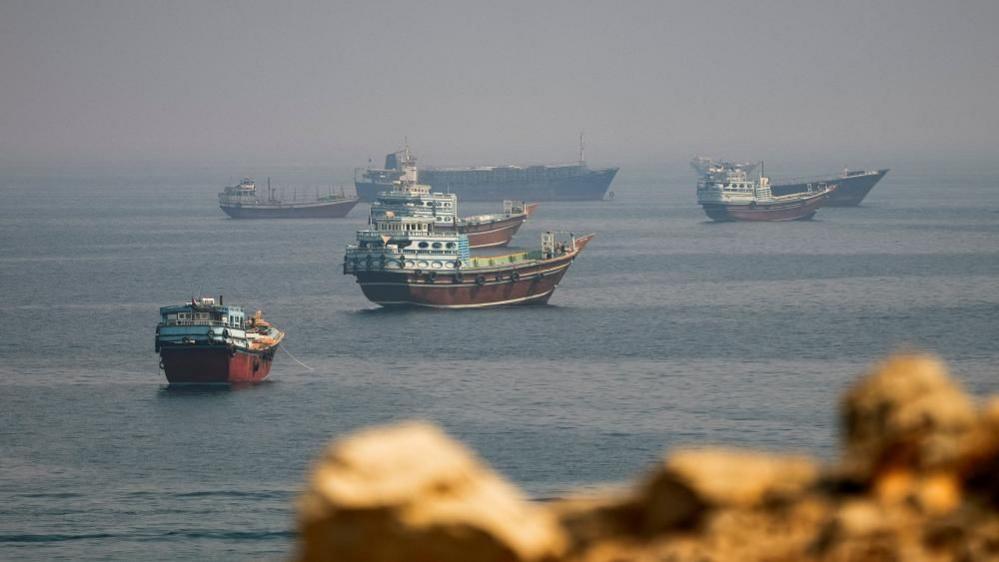
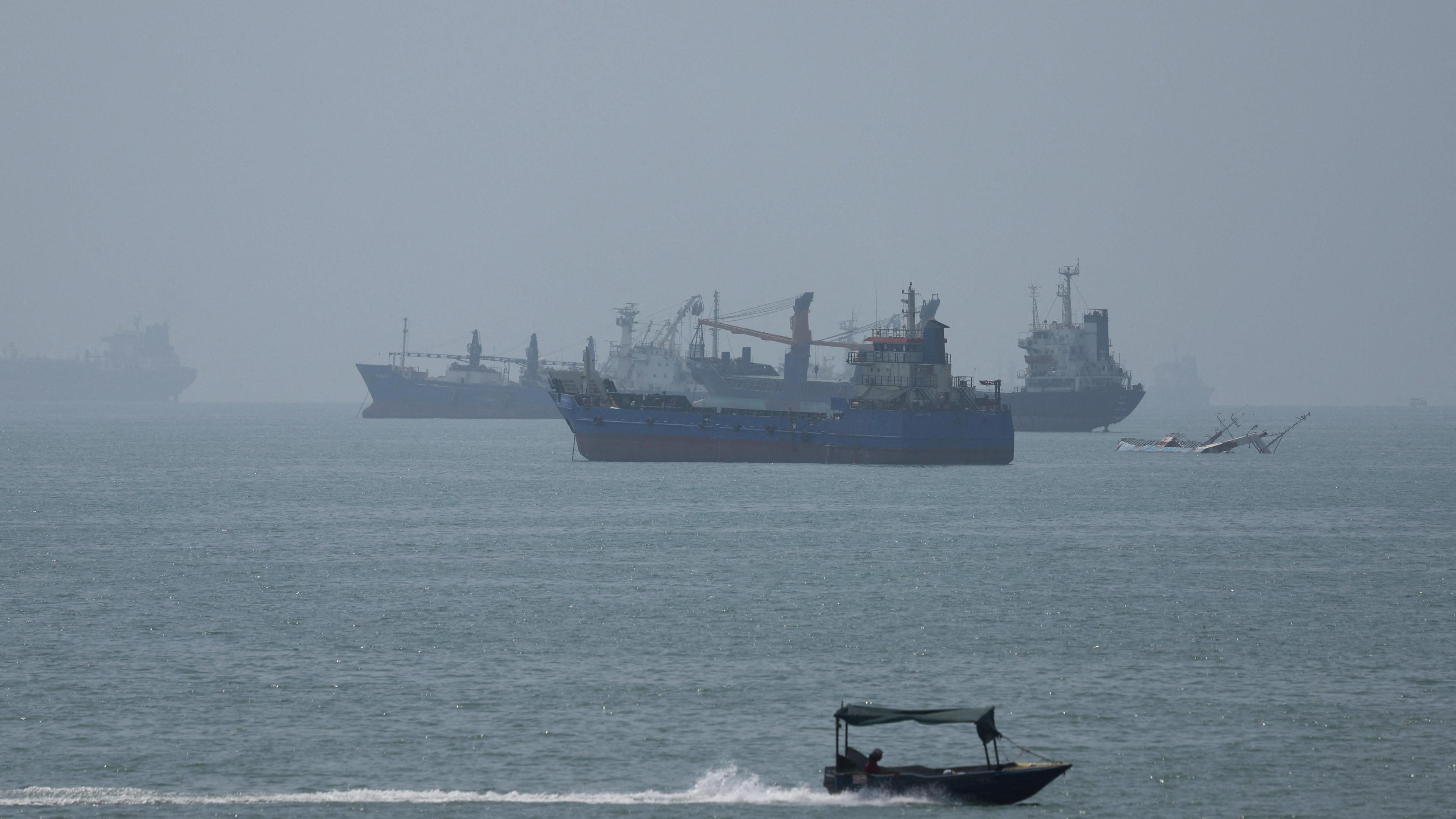
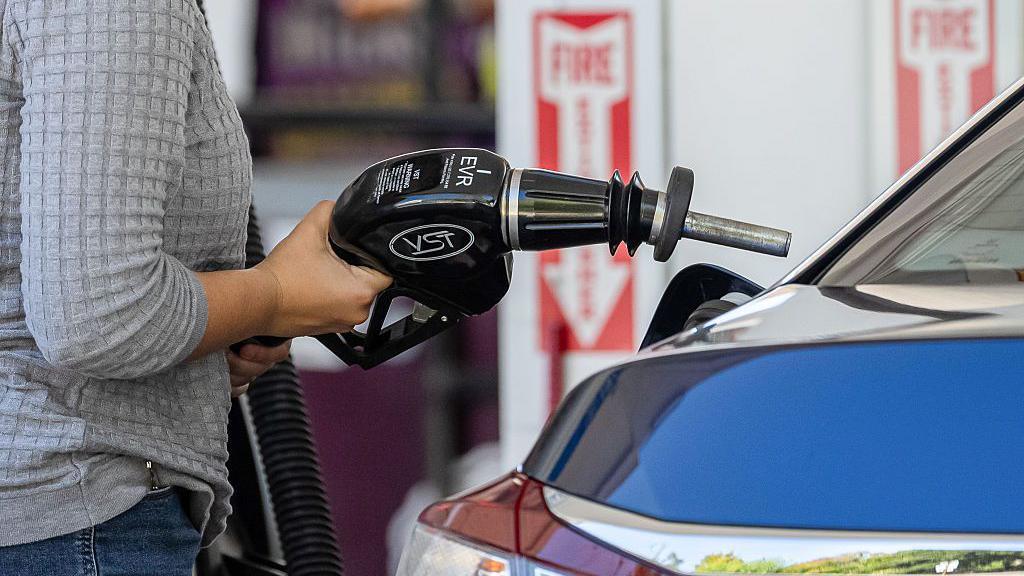
The Houthi strike threatened a critical maritime passage that Saudi Arabia has used to divert shipments from the Strait of Hormuz, triggering fears that supply disruptions could widen. In the U.K., domestic petrol has climbed to about £1.56 a litre while diesel sits near £1.72 a litre; U.S. gasoline has crossed the $4 a gallon mark again.
Higher fuel costs can cascade into broader price rises. Businesses may pass on transportation expenses to consumers, contributing to slower‑moving inflation in both Britain – which recorded 2.6 % year‑on‑year – and the U.S. – where the rate stands at 3.5 %.
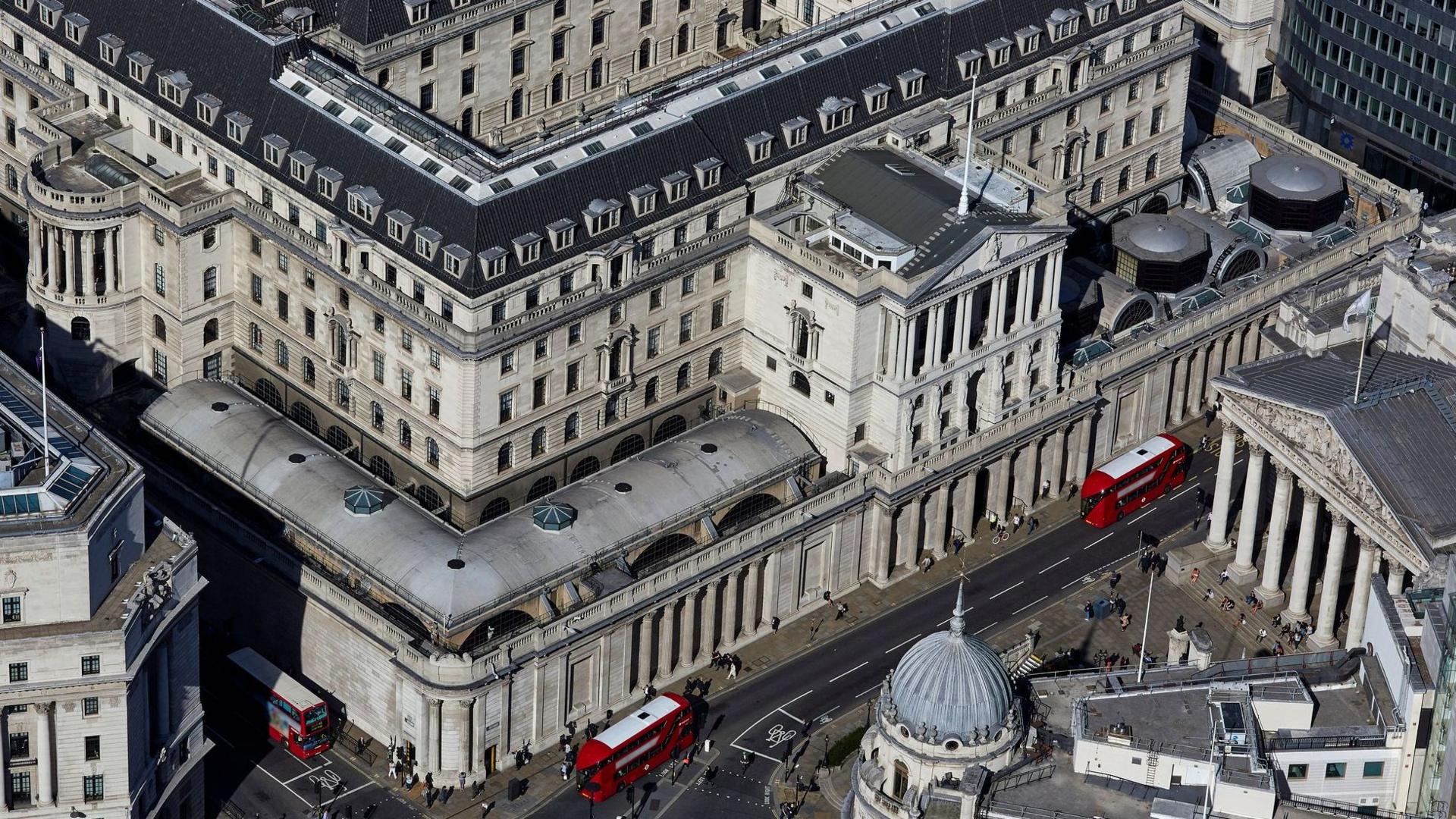
Central banks have been forced to weigh the trade‑off between tempering inflation and supporting economic growth. The Bank of England keeps its policy rate at 3.75 % across four consecutive meetings while some analysts anticipate a possible cut next year if energy price pressures ease. In Washington, the Federal Reserve Chair Kevin Warsh has emphasized the need for “price stability” and expressed little tolerance for persistent inflation despite past calls from the U.S. President to lower borrowing costs.
These developments underline the sensitivity of global markets to geopolitical events and the potential for energy price volatility to influence monetary policy trajectories worldwide.