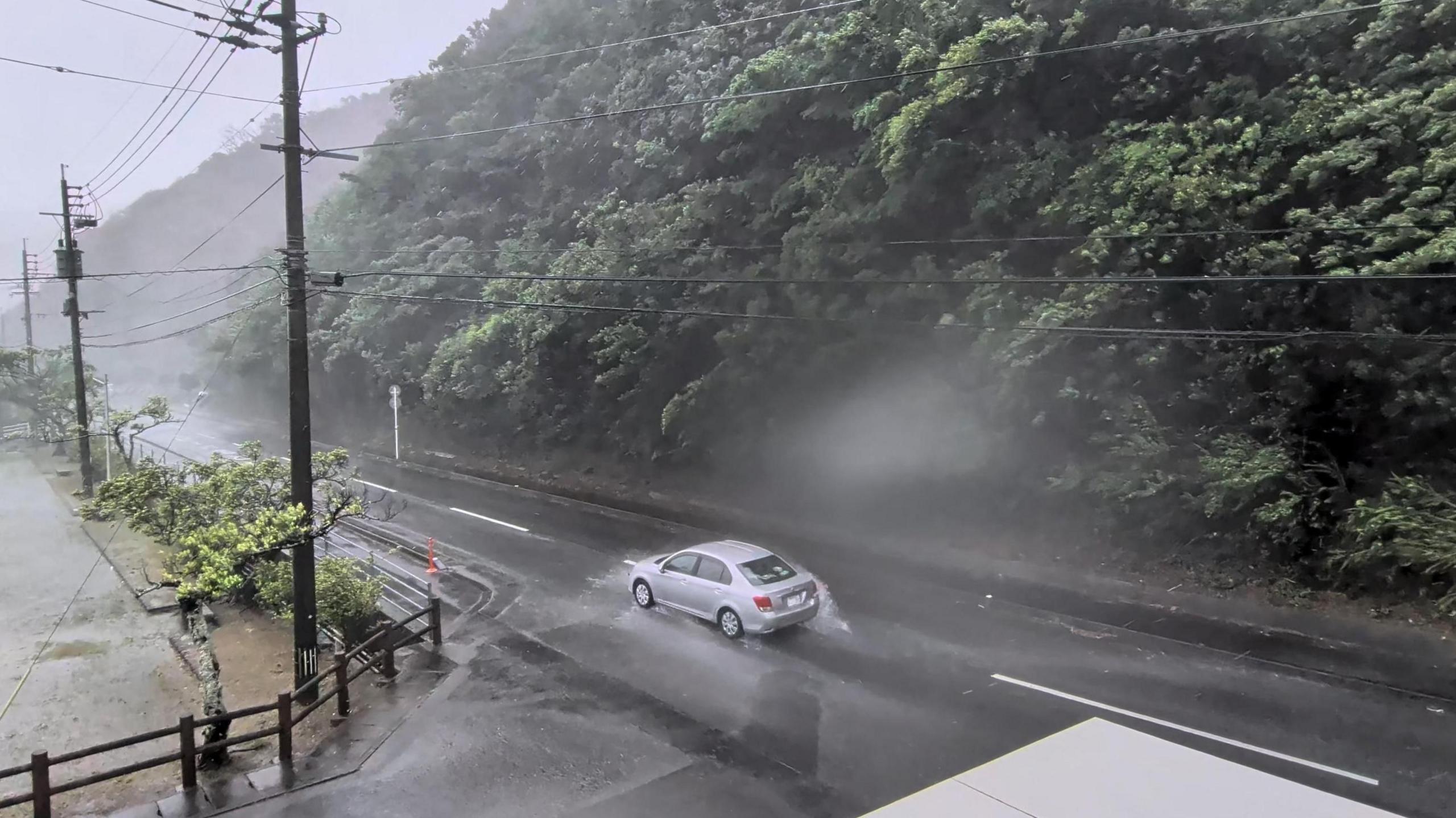
A typhoon named Dolphin, with maximum winds of 162 km/h, slammed into Japan’s southernmost island of Okinawa early on Saturday, triggering widespread power cuts to an estimated 44,000 buildings and injuring five elderly residents, according to local authorities.
The Japan Meteorological Agency classified the storm as a "very strong" typhoon, warning of high waves, storm surges and lightning strikes. Flights into and out of Naha International Airport were cancelled and the airport itself was closed for the day.
In the wake of the storm, NHK and regional news outlets documented trees uprooted across Nago city and a overturned vehicle leaking oil, underscoring the severity of the wind.
Dolphin is now on a trajectory toward China’s eastern coast, with the Zhejiang province’s Ningbo Lishe International Airport suspending all operations from 23:30 local time on Saturday and by Sunday all flights cancelled. Port and ferry services throughout Zhejiang have also been halted amid a high‑level typhoon alert.
The western‑Pacific typhoon season, traditionally running from May to October, is occurring during a strong El Niño year. Scientists say that El Niño can feed the development of more intense cyclones, offering the potential for up to three storms to make landfall in Japan each year on average.
Typhoons, as defined by the World Meteorological Organization, form in the north‑west Pacific; those forming in the Atlantic or eastern Pacific are called hurricanes. The difference lies mainly in the region of origin, although the physical structures and potential impact are comparable.