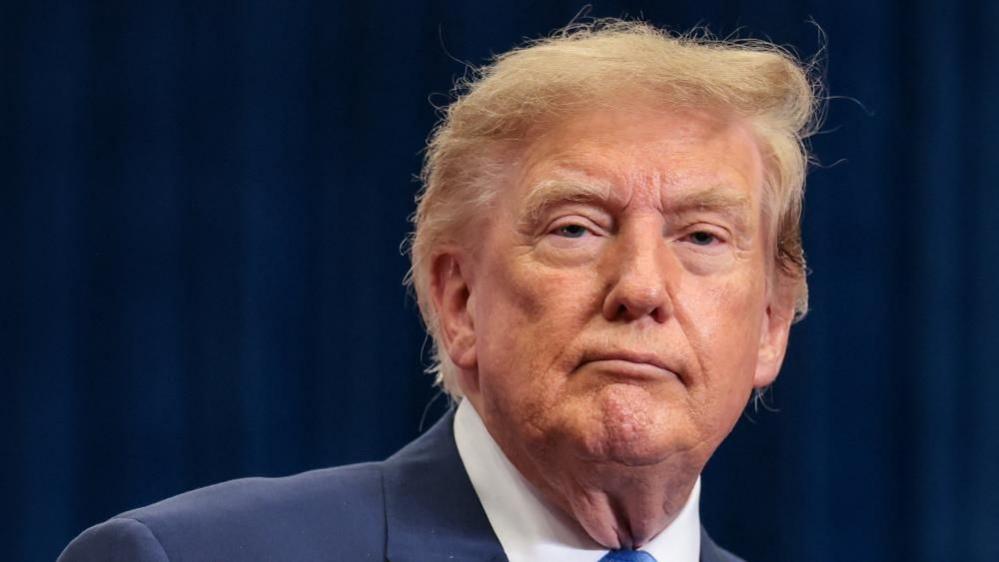
Network news report: President Donald Trump allowed a landmark housing bill, the 21st Century Road to Housing Act, to become law without his signature after postponing signing to protest the lack of congressional action on the Save America Voter Eligibility (SAVE) bill.
Trump’s earlier refusal to sign was directed toward a broader political strategy, but he purposely withheld a veto, meaning the bill lapsed into law automatically once the deadline passed. Analysts note that the legislation contains more than 40 provisions, including incentives for new housing construction and limits on large institutional ownership of single-family homes.
The bill follows a period of bipartisan effort that saw both chambers of Congress approve it in a rare moment of unity. President Trump held his signing ceremony briefly suspended, citing the need for a voter‑ID law to move forward before the November midterms.
A 2026 survey by the Bipartisan Policy Center found 89% of voters across the political spectrum want action to make housing more affordable. The median U.S. home price in June hit $440,660, pushing affordability gaps even wider as households need an average annual income of $117,000 to purchase a home.
The bill also tackles inflation and mortgage rate challenges, offering a comprehensive framework that was praised by housing advocates. Critics of the SAVE Act, however, argue it disenfranchises voters, and some Republicans claim Trump’s protest over the SAVE legislation was a calculated political maneuver rather than a principled stand.
House minority leader Hakeem Jeffries responded on X with a pointed statement: “Republicans would rather make it harder to vote than easier to afford a home.” The passage of the housing bill is widely seen as a milestone in U.S. legislative efforts to address housing affordability.